There are over 7,000 varieties of apple trees in the world—so where do you start when it comes to your garden? Knowing the best tree for your backyard depends on your climate and region, of course, but there are a few traits that make some apple trees better suited for home gardens than others.
Here, we break down some of those desirable features—like disease resistance and ripening time—and provide expert insights on the very best apple trees you can grow at home.
Gala
Getty / Katharina13
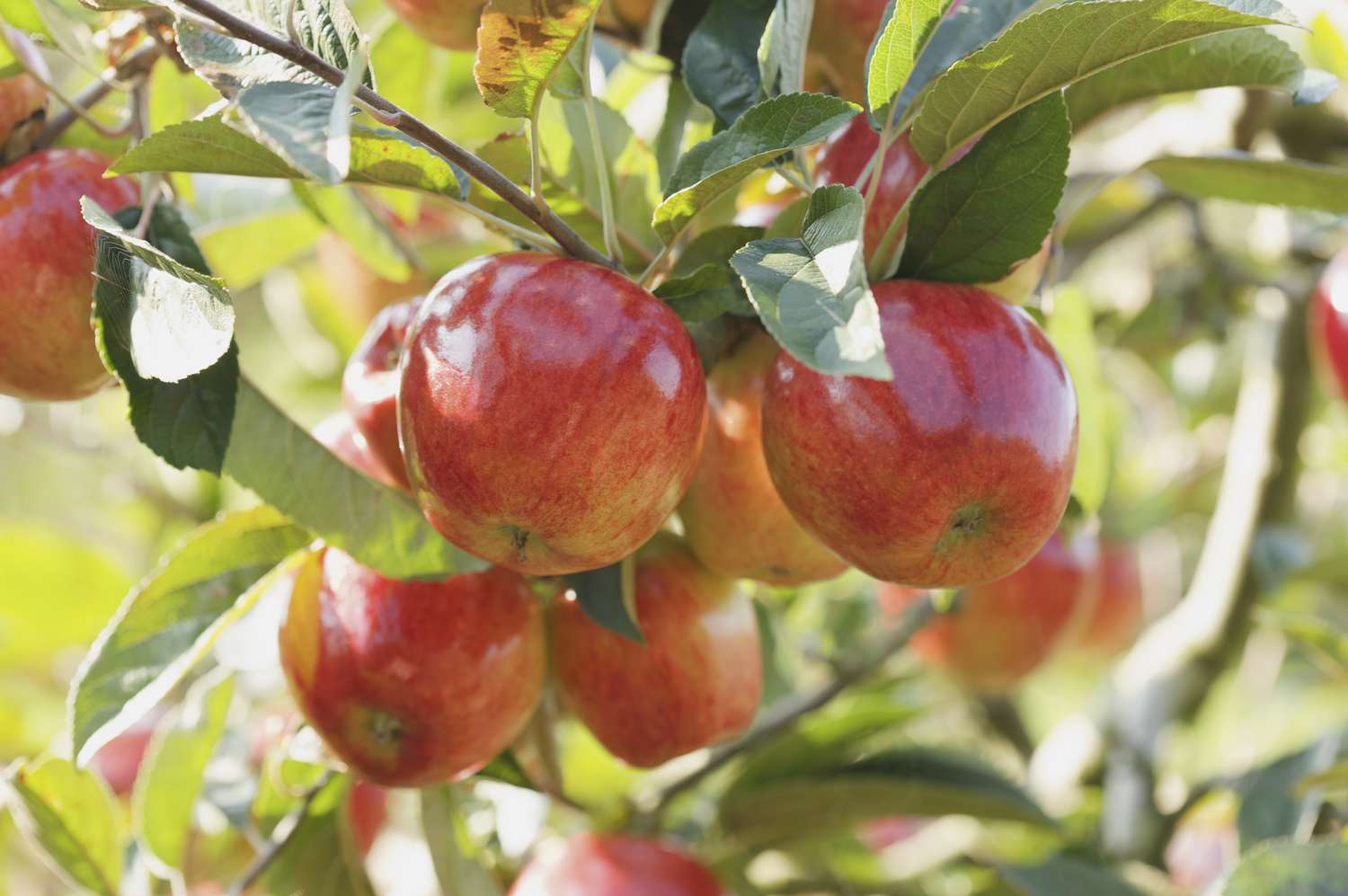
Gala apple trees provide fruits with striking, red and yellow colors. Aaron Dillon, co-founder of Four Winds Growers, loves them for their sweet texture and taste. “They perform beautifully when dried or used in cider,” he says.
These trees are relatively heat-tolerant, so they can flourish in a variety of climates and regions. Their fruit typically ripens in mid-September. They are somewhat disease-resistant, but you’ll still need to watch out for scab and other common ailments.
- Zones: 4 to 8
- Size: 20 to 25 feet tall
- Care requirements: Full sun; well-draining loamy soil; regular watering is important, especially in dry conditions
Fuji
Getty / Thanyarat07
Fuji trees produce apples with a yellowish base and a beautiful, orange-red blush. “They have a rich flavor with exceptional juiciness; they’re great fresh and for cooking,” says Dillon.
Fuji apples ripen in mid-October, and they have a long storage life, so you can hold onto them through the winter months. They’re also naturally resistant to scab, so they’ll require less maintenance than other apple trees.
- Zones: 4 to 9
- Size: Standard trees grow 15 to 20 feet tall and wide; dwarf varieties are smaller.
- Care requirements: Full sun; well-draining, nutrient-rich loamy soil
Most apple trees will need to be pollinated in order to bear fruit, though a select few can self-pollinate. For the former, make sure to plant two different varieties that bloom during the same period—Fuji and Gala, for example, can cross pollinate.
Redfree
Getty / Moskvich19771977
Redfree originally hails from Indiana and has a delightful, crisp texture. It’s especially great for home gardens—and beginner gardeners—because it’s highly disease-resistant, particularly to scab, rust, and fire blight.
Jon Traunfeld, director of the Home & Garden Information Center at the University of Maryland Extension, notes that it also stands out for its excellent flavor, adding that it ripens in mid-to-late August.
- Zones: 4 to 7
- Size: 12 to 16 feet tall x 10 to 14 feet wide
- Care requirements: Full sun; well-draining loamy soil; water regularly during dry periods
Bonita
Getty / cbglp2
Bonita ranges in color from bright red to a soft pink, with a yellow-green background. They’re ready to harvest in mid to late October.
“[The apples] are slightly acidic, and have a juicy, crunchy bite,” says Traunfeld. “It’s also resistant to apple scab.” The latter means fewer pesticides and less maintenance, resulting in an easier-to-grow, healthier plant.
- Zones: 7 to 10
- Size: 15 to 20 feet high
- Care requirements: Full sun; well-draining, organic-rich soil
Cordera
Getty / arkady2013
Like Bonita, Cordera apple trees are resistant to scab, so they’re a much more low-maintenance plant. Its name means “lamb” in Spanish—named after Robert Lamb, an apple breeder at Cornell University. Their fruit is crimson and rose, and has a “crisp texture [that’s] sweet and flavorful,” says Traunfeld.
- Zones: Hardy to zone 4
- Size: Semi dwarf—10 to 12 feet high
- Care requirements: Full sun; well-draining, loamy soil
Enterprise
Getty / twomeows
Enterprise apple trees ripen in October, and they’re resistant to blight, rust, and scab, as well as moderately resistant to mildew. Traunfeld notes they have medium to large, red, crisp fruit. They also keep well and can last for five to six months if properly refrigerated.
- Zones: 4 to 7
- Size: 12 to 15 feet tall x 12 to 15 feet wide
- Care requirements: Full sun; well-draining loamy soil; water regularly until established, then as needed during dry spells.
Crimson Topaz
Getty / twomeows
Crimson topaz trees are very vigorous, and they’re an easy-to-grow plant that produces delicious fruit. Traunfeld describes the flavor as sweet and tart, with a crisp texture. It’s resistant to apple scab and powdery mildew, and generally ripens in mid October.
- Zones: 4 to 8
- Size: Typically grows 12 to 15 feet tall and wide
- Care requirements: Full sun; well-draining, moderately rich soil; regular watering is essential, especially during dry periods