
LONDON, Oct 28 (Reuters) – Investors managing $11.5 trillion in assets are calling on major food companies and retailers to diversify into more plant-based protein sources to enhance supply chain resiliency and mitigate food security risks.
Sign up here.
A group of 73 investors engaging in the Farm Animal Investment Risk and Return Initiative investor network are calling on manufacturers and retailers to seize the “growth and health” opportunities alternative protein sources present, according to a FAIRR report set for publication on Tuesday.
Through FAIRR, the investors have engaged with 20 companies, including manufacturers Nestle, Danone and Kraft Heinz and retailers Amazon, Carrefour and Walmart.
“For food and retail, protein diversification is a key element to reduce your CO2 emissions,” Sophie Kamphuis, senior advisor for responsible investment at Dutch asset manager MN, told Reuters.
Private investment in non-meat protein sources, such as beans, pulses, plant-based alternatives to animal products and novel methods like cell cultivation, fell to just over $1 billion last year, from a spike of almost $7 billion in 2021, according to The Good Food Institute.
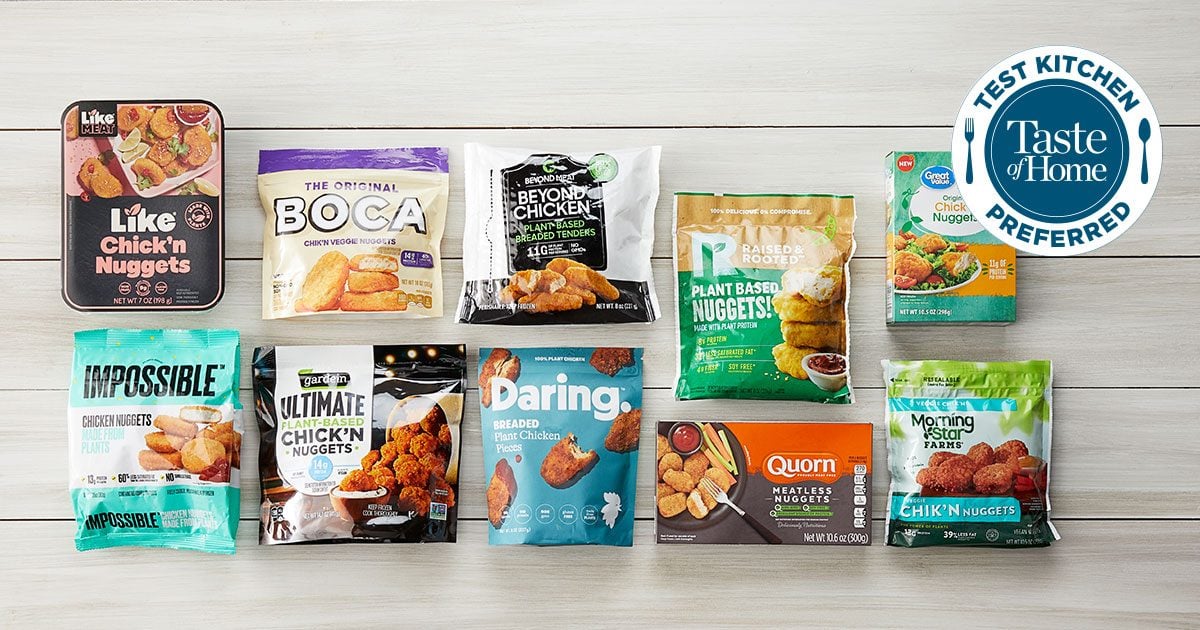
When it comes to protein diversification that focuses on meat substitutes, the recurring problem has been that the products are just not good enough, Jo Raven, director of thematic research and corporate innovation at FAIRR, told Reuters.
“The reality is they did not get the taste and texture right, and consumers are fickle creatures,” Raven said. “So if they purchase it once and just didn’t like it, they’re going to be a harder group to convince otherwise.”
Reporting by Alexander Marrow; Editing by Jan Harvey
Our Standards: The Thomson Reuters Trust Principles.
![Coconut Bacon [Vegan, Gluten-Free] – One Green Planet](https://plantlife.fufukunu.com/wp-content/uploads/2025/11/Coconut-Bacon-Vegan-Gluten-Free-–-One-Green-Planet.jpg "Coconut Bacon [Vegan, Gluten-Free] – One Green Planet")