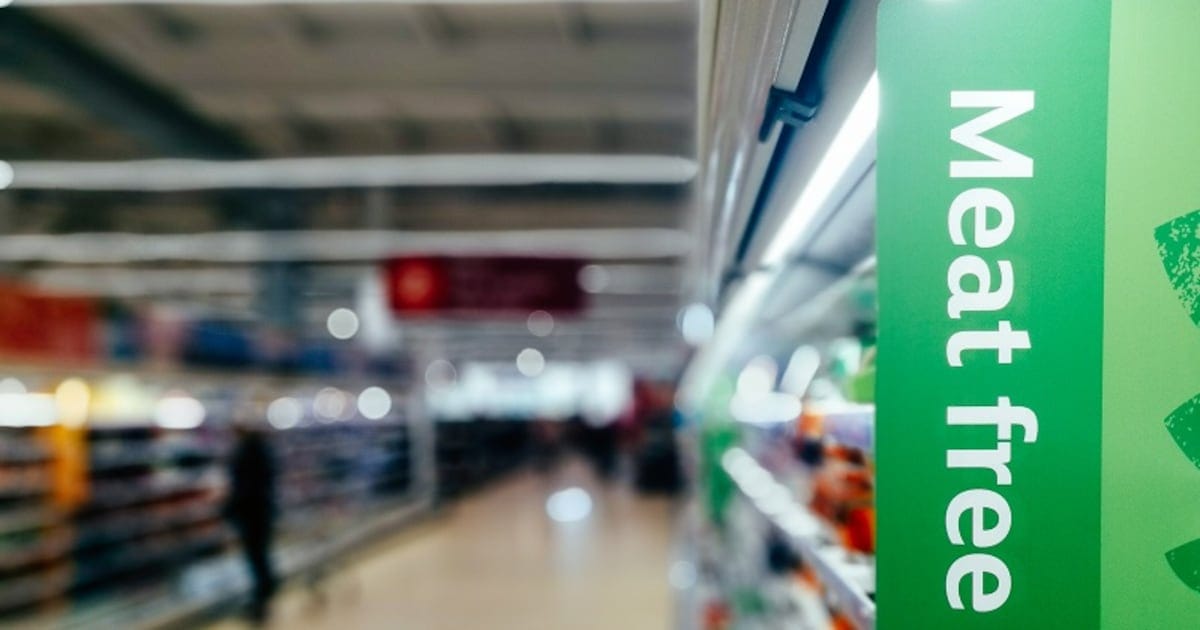
Impossible Foods has been pivotal in driving mainstream adoption of meat alternatives. The company‘s goal to offer delicious plant-based meat substitutes to the market has seen great success. Today, it has partnerships with some of the largest franchises in the world and remains a leader in the emerging meat alternatives industry.
Impossible Foods’ ability to cater to the emerging class of flexitarians —those who combine vegetarian and traditional diets —has helped it secure a top spot in the market. As such, its shares are in high demand. However, the company hasn’t listed any plans to go public. Consequently, you will need to navigate the secondary market to access these assets. Here’s what you need to know.
What are Impossible Foods?
Impossible Foods entered the market in 2011 after its founder, a biochemistry professor at Stanford University, Dr. Patrick O. Brown, concluded that the environmental impact of raising cattle was a major contributor to climate change. He postulated that there should be a sustainable meat substitute that didn’t contribute to biodiversity loss, greenhouse gases, and health degradation.
Brown began his journey by gathering scientists, reputable chefs, and others in the food production sector. From there, the team began detailed biochemical research into meat’s core properties like taste, texture, and cooking characteristics. Next, the experts utilized soy protein, heme, and other plant-derived ingredients to replicate the experience.
At first, the researchers explored several different plant-based meat alternatives, including chicken, pork, fish, and dairy substitutes. It was a combination of factors that led the company to select beef as its first meat alternative. For one, cattle are one of the biggest greenhouse gas producers, alongside requiring lots of water and other resources.
Impossible Burger
In 2016, the Impossible Burger was served at Momofuku Nishi in New York City. It received a positive crowd response and later that year was launched as the company’s flagship product. The Impossible Burger provided a meat-eating experience but required 87% less water than raising actual cows and released 91% fewer greenhouse gases into the environment.

Source – Impossible Foods
By 2018, Impossible Foods was in several chain restaurants and started showing up in grocery store aisles. This momentum and exposure led to the company releasing its Impossible Sausage in 2019. Notably, Impossible Foods states that the product causes 94% less damage to waterways than raising pigs.
Impossible Burger 2.0
The Impossible Burger 2.0 enhanced the company’s flagship product’s taste, texture, and more. Impressively, the new meat alternative provides 19 grams of protein per serving. Also, it has 33% less fat than a traditional burger. These factors helped Impossible Food secure a partnership with Burger King, leading to the Impossible Whopper’s launch. Today, Impossible Foods offers a wide selection of meat alternatives, including beef, meatballs, pork, and bowls.
Historical Funding Rounds

Summary of Impossible Foods Funding:
Total Funding: Impossible Foods secured $2.01B across 13 funding rounds.
Largest Round: Impossible Foods’ largest funding round secured $500M in March 2020.
Investors: A total of 115 institutional investors and 18 Angel investors back Impossible Foods.
Latest Round: The latest funding round raised $500M and was a Series H round held on November 17, 2021.
Funding Rounds Breakdown:
- 3 Early-Stage
- 10 Late-Stage
Key Investors:
Impossible Foods secured funding from Temasek, Horizons Ventures, Khosla Ventures, Bill Gates, Google Ventures, UBS, Viking Global Investors, Open Philanthropy, Jay Brown, Kirk Cousins, Jay-Z, Paul George, Trevor Noah, Alexis Ohanian, Kal Penn, Ruby Rose, Jaden Smith, Phil Rosenthal, Zedd, will. i.am, Sailing Capital, Li Ka-shing, Innovative funding, Mirae Asset Global Investments, Serena Ventures, Temasek, Serena Williams, Katy Perry, and more.
Why Invest in Impossible Foods?
There are many reasons why investing in Impossible Foods could be a good fit for you. For one, Impossible Foods has a unique business model that caters to flexitarians. For example, the company pushes to have its products placed in the meat section of grocery stores. This approach, though requiring more direct negotiations, has proven to help drive sales and further the company’s exposure.
Research-Based Products
Impossible Foods has a research-centric approach to creating meat substitutes. The company has spent millions attempting to match the taste and sensory experience one gets when consuming meat. They have combined cutting-edge science with expertise in culinary arts to create realistic meat alternatives.
Food Security
Food security is another concern that many people don’t take into account. As Impossible Foods offers high-protein meat substitutes that use far less land and resources to create, it provides a layer of food security that local growers couldn’t match.
Impossible Foods Offers Sustainable Options
Sustainability is at the heart of Impossible Foods’ goal. The company has been clear that it sees meat production as one of the most harmful activities mankind participates in today in terms of environmental impact. The company has some impressive stats to back up its claims. For example, Impossible Beef uses 96% less land than animal-based beef operations. It also uses far less water and doesn’t harm the local biodiversity like raising cattle.
Competitive Edge
Impossible Foods is leading the charge in terms of driving sustainable diets. The company secured a position as a leader in the plant-based meat industry through constant innovation and promotions. Today, it remains true to those virtues, constantly expanding its product line and global reach. Impressively, you can find Impossible Food products in grocery stores, restaurants, and retail outlets globally.
Partnerships that Work
You can’t overlook Impossible Foods’ strategic partnerships. The company has hosted high-profile launches with several recognizable chain restaurants. Companies like Burger King, White Castle, Bareburger, Umami Burger, and more work directly with Impossible Burger to provide vegetarian options to their millions of customers.
Funding and Investor data sourced from Tracxn
1. Pre-IPO Secondary Marketplace
Secondary markets are purpose-built exchanges that connect pre-IPO shareholders with potential investors. These marketplaces can offer these assets because they work closely with employees, early-stage investors, and venture capitalists, who are crucial to the company’s pre-IPO growth.
Investing in pre-IPO shares of Impossible Foods could offer strong returns if the company’s valuation increases following its IPO. It’s common for company valuations to increase following an IPO. As such, it makes sense to add pre-IPO shares to your portfolio before the firm announces plans to go public.
Secondary marketplaces have many requirements. Here are some concerns you should be made aware of:
Eligibility: This approach requires you to be an accredited investor, meaning you will have to show at least $1M in liquid assets to qualify for access.
2. Private Equity Firms
Private equity firms gain access to pre-IPO shares during investment rounds. They then offer these shares to high-net-worth accredited investors with a commission. Notably, private equity firms are known to have extra stipulations, including blocking the sale of shares for years in some cases.
3. Employee Equity Sales
Many consider employee equity sales as the best way to acquire pre-IPO shares in Impossible Foods. This method of acquiring pre-IPO shares requires you to connect with former employees. It’s common for companies to issue shares as part of an incentive package. Notably, this profit-sharing method has become more popular, leading to more pre-IPO share opportunities for investors.
Private Transactions: There are a lot of hoops you will need to jump through to complete a private pre-IPO transaction, including creating specific legal agreements, conducting valuations, and setting in place any limitations on the transfer of the asset.
Brokerage: Brokers will take a lot of the confusion out of the pre-IPO process. These professionals can guide you through each step, ensuring full compliance and avoiding common errors untrained professionals make.
There are several risks that you should consider before jumping into the pre-IPO shares investment arena. Here are the top concerns:
Liquidity Risk
If you are looking for an asset that you can sell right away, pre-IPO shares are not the best option.
These investments can include sales and transfer clauses that prevent the transfer of the asset until certain criteria, such as the IPO’s completion, are met. It’s even common for pre-IPO shares to require you to wait years before gaining the ability to sell your assets.
Forge Global: One of the largest private stock marketplaces, offering shares in late-stage startups like SpaceX, Stripe, and Databricks. Minimums typically start around $100,000.
EquityZen: A popular platform allowing accredited investors to buy into private companies with minimums as low as $5,000. Past offerings include companies like Discord and UiPath.
Rainmaker Securities: A full-service broker that helps source and negotiate private share sales, including opportunities in companies like OpenAI, Stripe, and Palantir.
Hiive: A newer platform with live bid/ask pricing for hundreds of private companies. Transparent and low-fee, with minimums starting around $25,000.
MicroVentures: Offers pooled access to late-stage companies through special purpose vehicles (SPVs), including past investments in SpaceX and Instacart.
EquityBee: Allows investors to fund employee stock option exercises at startups, often at discounted valuations, with minimums around $10,000.
Augment: A digital-first marketplace showing real-time pricing for pre-IPO shares, targeting tech-savvy investors and offering lower transaction fees.
StartEngine Private: Launched in late 2023, this platform offers accredited investors access to Regulation D offerings in later-stage, venture-backed companies. In its first nine months, it generated $16.5 million.
Important: Always perform thorough due diligence and consult a financial advisor before investing in private company shares.
Valuation of Impossible Foods and Future IPO
Impossible Foods secured a valuation of $4B on Nov 23, 2021. This value was obtained through a combination of smart business strategy, investor support, and innovative products. The Impossible Burger remains a popular option for diners globally and can be enjoyed by anyone nowadays, as it’s offered in many local grocery stores.
Today, Impossible Foods is the leading provider of meat substitutes. It can be found in some of the largest franchises in the world, and as it expands its offerings and products, it will see further integration into local menus. These actions will help drive the adoption of sustainable meat alternatives.
Investors holding Impossible Foods pre-IPO shares hope to cash in on the company’s strong positioning and continued partnerships. These factors, plus a need to combat climate change, could help to drive Impossible Foods’ profits up in the coming years. If Impossible Foods were to host an IPO, there would be significant demand for its shares.
Impossible Foods Pre-IPO Shares Conclusion
Impossible Foods provides investors with a unique opportunity to participate in the food sector while also promoting green options. The company’s focus on providing substantial environmental advantages, alongside tasty meat alternatives, could make it worth much more in the coming years.
Those seeking to invest in Impossible Foods pre-IPO shares need to do their research and qualify for these assets. Pre-IPO shares have certain restrictions that are unique to their asset class, like a no-sale period and additional investor requirements. For those that meet this criteria and can access Impossible Food shares, there could be significant upside potential if the company does go public.
Learn about Other Pre-IPO Opportunities Now
Disclaimer: This article is for informational purposes only and does not constitute financial, legal, or investment advice. Pre-IPO shares are typically available only to accredited investors and carry significant risk. Always perform thorough due diligence and consult a financial advisor or legal expert before making investment decisions.