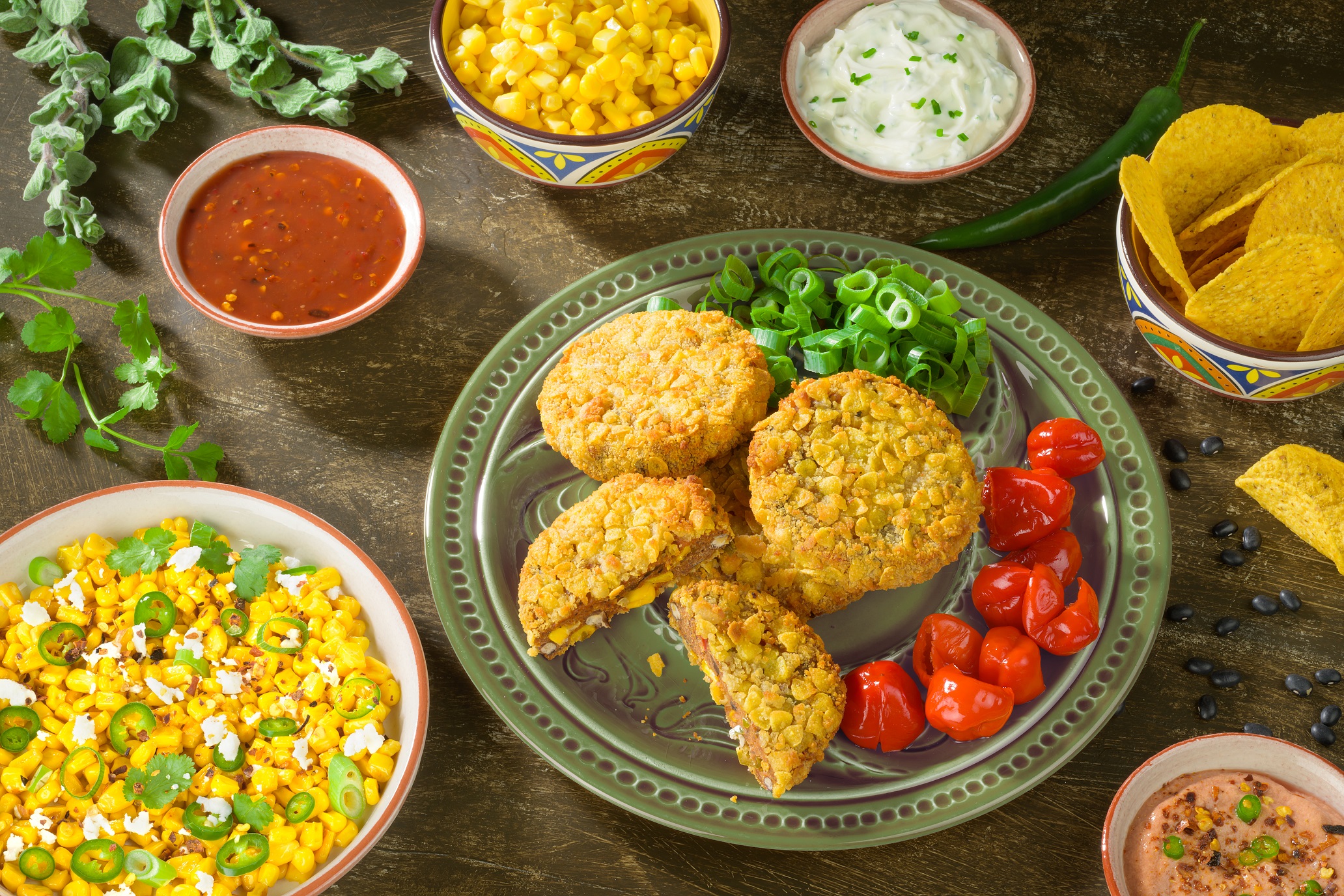
Eating ultra-processed plant-based alternatives to meat, such as vegetarian burgers, sausages and nuggets, is linked with a higher risk of depression, a study has found.
Health scientists at the U.K.’s University of Surrey analyzed the diets of more than 3,300 vegetarians—including fish eaters but not meat eaters—and samples of their blood. They found that vegetarians who ate ultra-processed plant-based meat alternatives were 42 percent more likely to have depression, compared with vegetarians who stuck to whole food proteins, such as chickpeas, eggs, beans, lentils and quinoa.
Ultra-processed food has been linked with a number of negative health outcomes, such as obesity, diabetes, inflammation, heart disease, skin conditions and cancer. As a category of food, it is the subject of some debate, but it is generally defined as foods that are industrially manufactured, using processing techniques and chemical ingredients that are usually unavailable to individuals cooking at home.
Some experts say ultra-processed food has negative health effects because most of it is junk food, with more salt, sugar and saturated fat than less processed food. However, the University of Surrey scientists found that vegetarians who ate more ultra-processed proteins did not eat significantly more salt, sugar or saturated fat than the other group.
The scientists also found that, on average, the meat-alternative eaters had higher blood pressure, as well as higher levels of an inflammatory marker called C-reactive protein in their blood. However, the vegetarians who ate meat alternative proteins were 40 percent less likely to have irritable bowel syndrome.
Vegetarians who ate plant-based meat alternatives were also slightly more likely to be overweight, younger, male, wealthier and white, compared with the whole-food group.

fizkes / Liudmila Chernetska/iStock / Getty Images Plus / Canva
One reason that some vegetarians choose to eat ultra-processed meat alternatives is to help them meet their protein needs. But both groups of vegetarians, whether they consumed these foods or not, generally ate enough protein.
When looking at the risks of other diseases, the epidemiologists did not find much of a difference between the two groups in terms of heart disease, Type 2 diabetes, obesity and cancer.
“The overall findings are reassuring, suggesting that plant-based meat alternatives may be a safe option when they are part of an overall balanced diet,” said Nophar Geifman, an author of the study, in a statement.
“However, the potential link between these types of food, inflammation and depression warrants further investigation,” added Geifman, a professor at the University of Surrey’s School of Health Sciences.
Professor Anthony Whetton, a co-author of the study who is also at the University of Surrey, said in a statement: “Ultra-processed plant-based meat alternatives can be a useful way for people to transition to a vegetarian diet effectively, and that helps with sustainable agricultural practices.
“Further research, including longitudinal studies and trials with more diverse populations, is necessary to confirm these findings and the relationship between vegetarian foods and mood,” he said.
The scientists used data from the UK Biobank for this study, which was published Monday in the scientific journal Food Frontiers.
The participants were 1,780 vegetarians who ate plant-based meat alternatives and 1,840 vegetarians who did not. The population was largely white and British.
Reference
Navratilova, H. F., Whetton, A. D., Geifman, N. (2024). Plant-Based Meat Alternatives Intake and Its Association With Health Status Among Vegetarians of the UK Biobank Volunteer Population, Food Frontiers, e2532. https://doi.org/10.1002/fft2.532
Do you have a tip on a food story that Newsweek should be covering? Is there a nutrition concern that’s worrying you? Let us know via [email protected]. We can ask experts for advice, and your story could be featured in Newsweek.