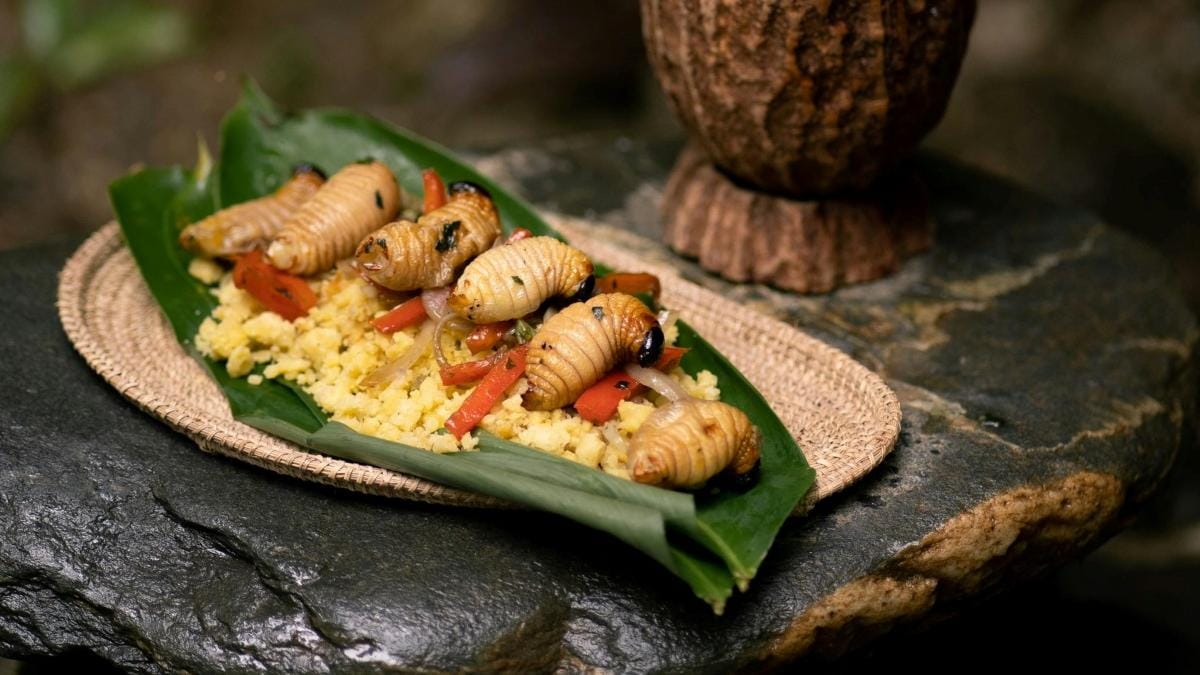
A new study suggests that no matter how eco-friendly bugs might be, convincing people to eat them is a tough sell. Despite the environmental perks of munching on crickets or grasshoppers, most people – especially in Western countries – simply can’t get past the “ick” factor.
Aren’t insects better for the planet than meat?
Absolutely.
Raising insects for food takes far fewer resources than conventional livestock farming. It also helps reduce pollution and greenhouse gases.
According to a study, livestock farming alone could account for more than a third of the emissions we can afford if we want to avoid climate disaster.
So yes, farming bugs is better for the environment. The issue? People still don’t want to eat them.
What do people actually think about eating insects?
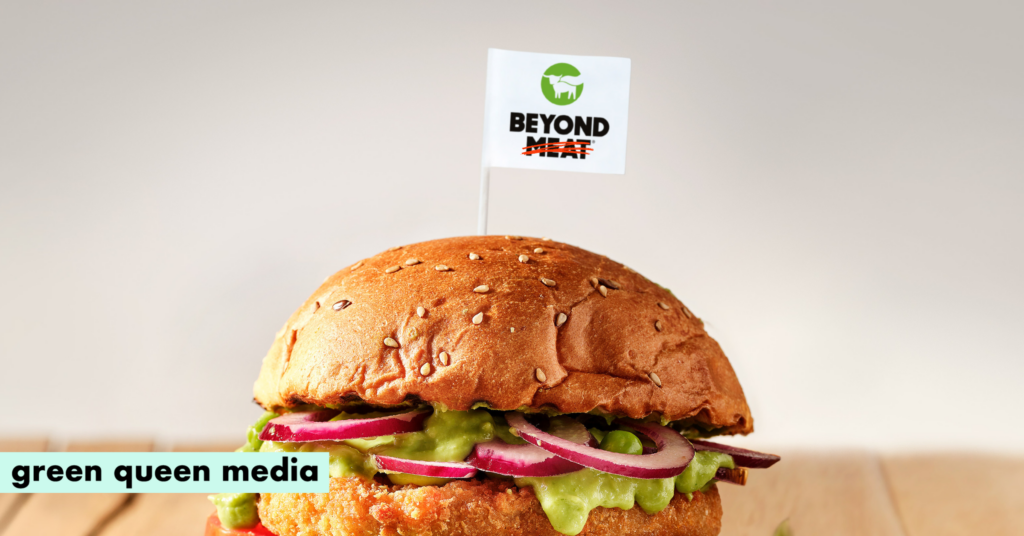
Polling in the US and Europe shows a huge gap between interest in plant-based meat and bugs. Around 91% said they’d try plant-based substitutes. But when it came to insects? Just 20% were willing to give it a go.
“Given these challenges, it is difficult to see how insect-based foods could significantly replace traditional meat options,” the study says.
Are insects even being sold as food?
Kind of – but mostly in niche products. You might find bugs in protein bars or novelty snacks, but that’s about it.
“Apart from a few protein bar companies, most businesses raising insects, like black soldier flies, do so for animal feed rather than human food,” the study points out.
Dustin Crummett, the study’s co-author and executive director of the Insect Institute, said, “The actual market for them is incredibly small, even in places that have a tradition of eating insects.”
So why haven’t insects replaced meat?
For one, bugs aren’t being developed as full-on meat replacements.
“Although insects have been added to products like snack bars and bread, they’re not being developed into alternatives that could genuinely replace meat,” Crummett explained.
“All the talk about eating insects has not made a big difference. People still have a strong adverse reaction to insects and there is no cultural history of that,” he added.
“Changing long-standing culinary traditions and deep-seated disgust reactions is hard to do from the top down. If it were easy, more people would be eating plant-based foods.”

What about other alternatives like going vegan?
Even though lots of people say they care about sustainability, very few have switched to vegan or vegetarian diets. Meanwhile, global meat consumption is going up, especially in growing economies like China. That’s putting even more pressure on land, water and the climate.
“We have limited resources and we need to devote them to the most promising alternatives,” Crummett said.
Are governments doing anything to help?
Not really – at least not most of them. Leaders worry about public backlash if they try to limit meat consumption. One notable exception is Denmark.
In 2023, Denmark launched a national plan to promote plant-based diets and reduce meat consumption. “Plant-based foods are the future,” said Jacob Jensen, the country’s Minister for Food, Agriculture and Fisheries.
“If we want to reduce the climate footprint within the agricultural sector, then we all have to eat more plant-based foods,” he added.
Crummett thinks the Denmark model is the right approach.
“You have to meet people where they are,” he said.
“You need to make things easy and tasty, not just moralise and hector people. Once there are alternative products that are better based on taste, price and convenience, we will get some traction in reducing the impact of livestock.”
Subscribe to our Newsletter
Disclaimer: Kindly avoid objectionable, derogatory, unlawful and lewd comments, while responding to reports. Such comments are punishable under cyber laws. Please keep away from personal attacks. The opinions expressed here are the personal opinions of readers and not that of Mathrubhumi.