Summer is by no means the only time to harvest plentiful vegetables; there are plenty of fall garden vegetables to keep your garden productive.
To extend your gardening season well into fall and even winter by growing cool-season crops, start planning and planting in late summer. Fast-growing salad quickly fills in bare spots in summer vegetable beds. Many root crops, such as beets and carrots, as well as members of the cabbage family, such as kale, continue growing for several weeks beyond the first frost.
These tips will help you fill your table with plenty of homegrown goodness long beyond the heat of summer.
Calculate Your Planting Date
The secret to growing abundant fall garden vegetables is timing, in just the opposite way of planning your spring garden. Start with your area’s average first fall frost date, then look at the number of days it takes for your desired garden vegetable to grow from seed to harvest (also listed as days to maturity on the seed packet or in the catalog description).
Based on the number of days to harvest, count back from the first frost date plus two more weeks because many fall vegetables grow more slowly as days shorten in fall.
For example, if your first fall frost typically occurs around October 31 and you want to grow ‘French Breakfast’ radishes, which mature in about 25 days, plant them around September 22. In Zones 8-10, where frost is rare or occurs late in the fall or winter, you can plant fall vegetable crops as late as December.
Get the Garden Ready
Get your yard prepared for fall garden vegetables. If you haven’t done so already, remove tired plants whose harvest is over, such as peas, tomatoes, and sweet corn, for example). Next, pull any weeds so they don‘t steal moisture and nutrients from your new young plants. Finally, take advantage of the open planting bed to incorporate a 2- to 3-inch layer of well-decomposed compost to get your fall veggies off to a great start.
Start From Seed
Typically, nurseries don’t carry as many starter plants in the late summer for fall planting as they do in the spring. You will probably have to grow most fall garden vegetables from seed. Use leftover seeds from the spring or purchase new ones. If using seeds from the year before, make sure they are still viable.
The basics of starting seeds are the same in autumn as in spring: Use a high-quality seed-starting mix for best results. If you reuse the containers you used for your seeds in spring, wash them in a solution of one part bleach to 10 parts water to kill any disease organisms.
Test Garden Tip: If you live in a climate with hot summers, either wait until the temperatures drop or start the seeds of your favorite cool-season vegetables indoors. Many do better in air-conditioning than in the heat. Transplant the new seedlings outdoors when the temperatures are cooler.
Fall Garden Vegetable Care
Watering: It‘s crucial to keep your fall garden vegetable plants well-watered during the hot months of July, August, and September. Generally, most fall garden vegetables do best with about 1 inch of water a week. Once your seedlings or transplants are established, give them one deep watering a week rather than several lighter waterings.
Pests and diseases: As the weather gets cooler, there are fewer pests in the garden, but you should still monitor your plants and deal with insects and diseases promptly to minimize the damage.
Frost protection: Plenty of fall garden veggies thrive in cool temperatures. With some protection, they will even survive light frost. To protect your plants from frost, cover the garden with an old sheet, blanket, tarp, or row cover when frost is forecast. In Zones 8-9, where temperatures rarely dip below 20˚F, many fall vegetables will grow all winter.
Crops for Speedy Harvest
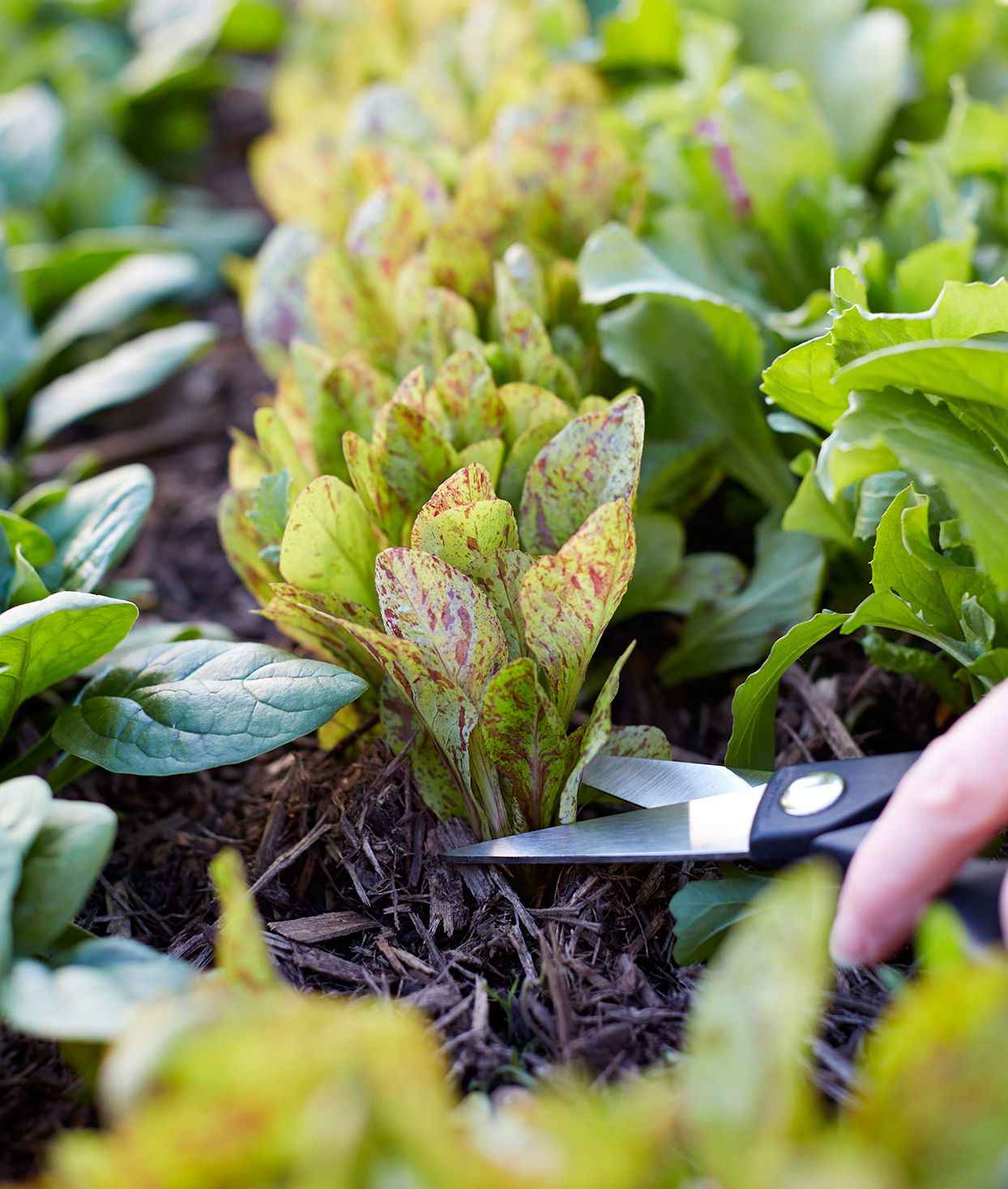
Some fall vegetables only take 40 days or less from planting the seeds to harvesting. If you plant sprinters such as arugula, mustard, spinach, turnips, and crispy red radishes in September, they will be ready to harvest in a little more than a month. Also, try pretty Asian greens, such as tatsoi or mizuna, which grow so fast that you‘ll have baby plants to add to stir-fries and soups just three weeks after sowing.
The hardiest fall vegetables, spinach and kale, often grow well into early winter. Stop harvesting leaves when freezing weather arrives. Protected by a blanket of snow or a plastic tunnel, spinach can survive winter and produce a flush of sweet-tasting leaves first thing in spring.
Best Fall Garden Vegetables
When shopping for seeds for fall garden vegetables, select varieties with the shortest seed-to-harvest time.