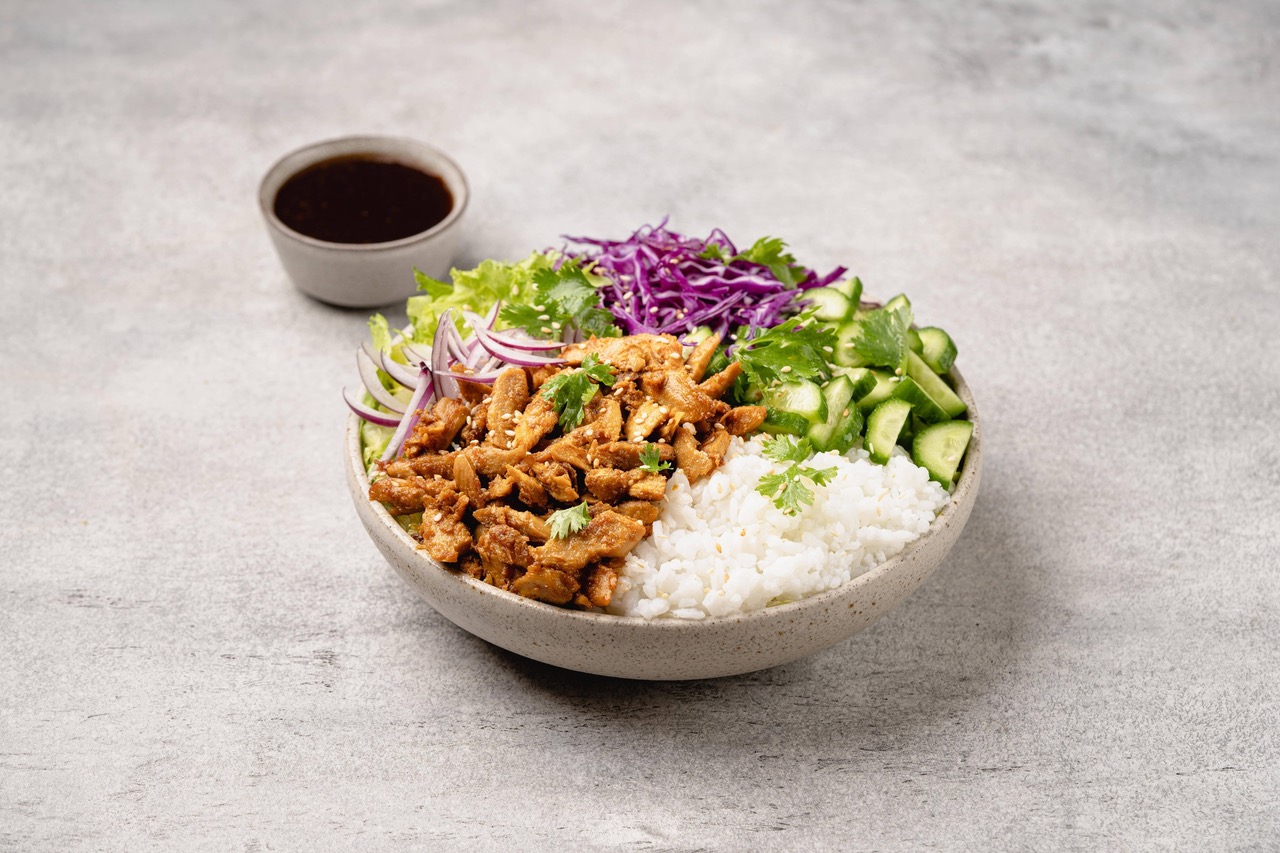
A new study has examined the impact on protein intakes when replacing animal meat with plant-based alternatives in the diet of the Dutch population.
The results indicate that after the swap, protein intakes remained sufficient for most of the population; the proportion of people consuming enough protein only reduced slightly, from 93% to 86%. On LinkedIn, study author Anne Wanders stresses that while this may sound like a substantial change, it is actually quite small.
However, the study notes that to meet protein needs on a plant-based diet, it is necessary to consume enough total protein from diverse plant-based sources. It finds that plant-based meats are a good and convenient source of high-quality protein; this is especially true when they are made of soy, which has a good amino acid profile and digestibility.
The study’s findings will be featured at the IUNS-ICN 2025 international conference next month. According to Wanders, a landmark clinical trial is currently underway to evaluate if and to what extent replacing animal meat with plant-based meat affects cardiometabolic health, blood pressure, and the gut microbiome.
A healthier choice
Several previous studies have found benefits to consuming plant-based meat. Earlier this year, a meta-analysis published in the American Journal of Clinical Nutrition concluded that replacing meat with plant-based alternatives has a significant impact on cardiometabolic health, reducing cholesterol levels and body weight within weeks.
Consuming more plant proteins and less meat is also linked to lower heart disease risk, and a 2023 study by ProVeg found that plant-based meat alternatives are often a healthier choice than the animal meat products they replace.
“Do you want to eat more plant-based and are worried about getting enough quality protein?” said Anne Wanders on LinkedIn. “We’ve published a study showing that when consuming plant-based meat, this is not a concern.”