After a year-long struggle for clarity, the meat industry welcomes the Department of Agriculture’s latest regulations for the permissible wording on the packaging of meat alternatives (also called “meat analogues”).
By Michelle van der Spuy, senior journalist at African Farming and Landbouweekblad
The regulations were announced last week after several consultations with all relevant stakeholders, including those in the red meat industry.
It provides that meat alternatives may be sold as “hot dogs, chipolatas, bites, steaks, pops, balls rounds, pieces, tenders, burgers, patties, sausages, bangers, griller loafs, polonies, mince, roasts, schnitzels”, as well as with names referring to the shape of the product, such as “meatballs, wheels, discs, nuggets, rolls and sizzlers”.
According to a statement by the department, these names may be used to describe the meat alternatives and, if necessary, their use. According to the department, the above names are also clear enough that consumers can distinguish meat alternatives from other products.
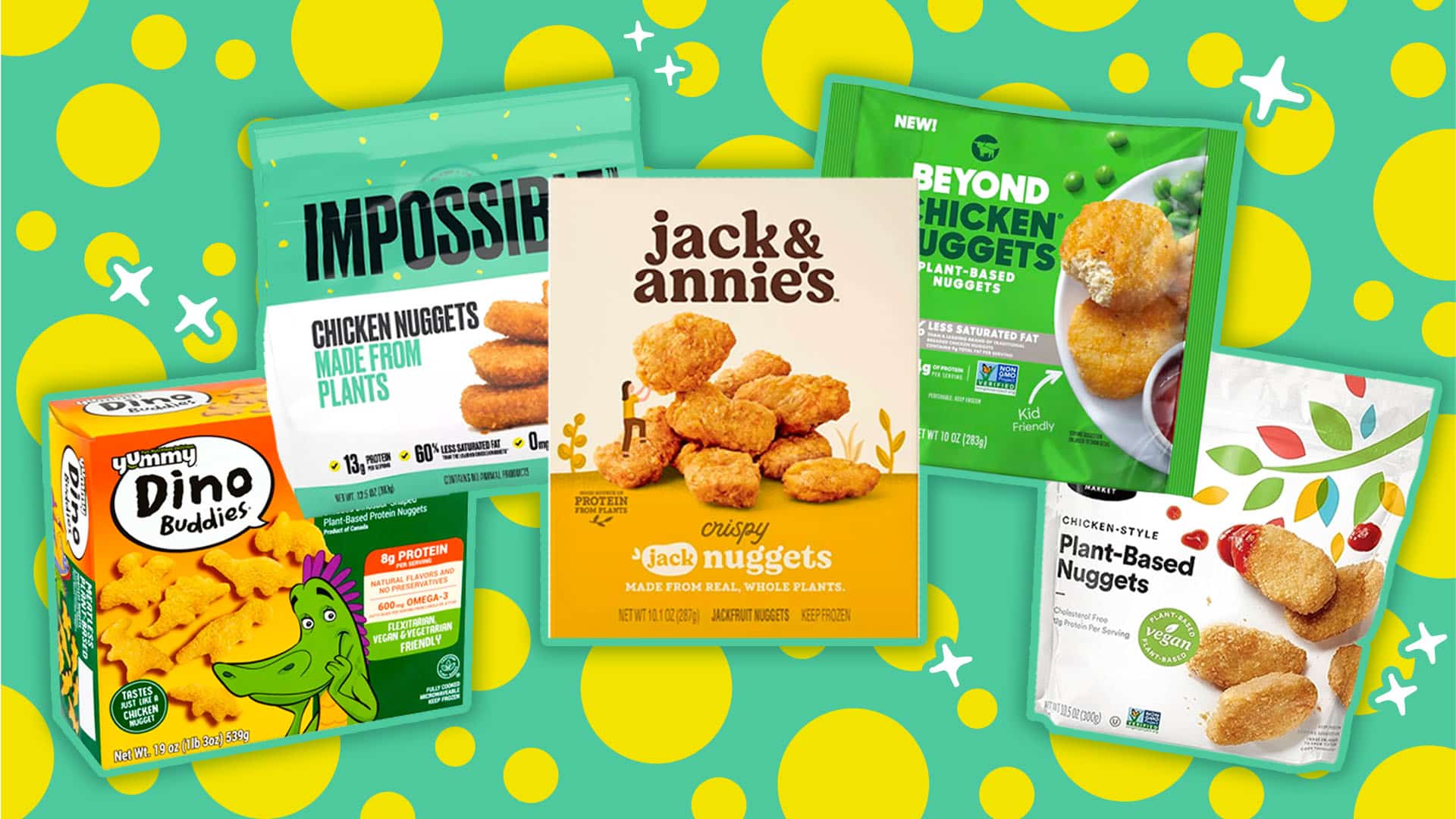
However, meat alternatives products should henceforth bear no names of animal species, morphology or cuts. Pronunciation such as “chicken-style, beef-style, chick’n, b*con” or any similar wording will therefore not be allowed on the packaging of meat alternatives.
The regulations also stipulate that meat alternatives should have a protein content of at least 9% if words such as “meat alternative” or “plant-based protein” appear on the packaging. Since no one has been specifically assigned to enforce the regulation, the department’s inspectors will be responsible for this.
In turn, the Food Safety Agency is again specifically responsible for enforcing regulations on permissible names, including those related to processed and some raw processed meats.
The Border Management Authority is responsible for applying and enforcing the regulations on imported meat analogues.
Manufacturers have until 18 July next year to bring their products into compliance with these regulations.
Struggle Since 2020
The latest regulations follow the South African Meat Processing Association’s (SAMPA) request to the government in 2020 to ensure that meat alternatives, in particular, are legally and accurately labelled.
The meat industry was frustrated by meat alternatives that were incorrectly labelled with descriptions that included “fish style” or “chicken style”. There was also dissatisfaction with the use of descriptions such as “meatballs” and “sausage”.
According to the meat industry, there is no reason why vegan or vegetarian products should refer to meat at all, and that this is done to stand on the shoulders of processed meat, a product category created by this industry.
In 2022, the department announced new regulations stipulating that meat alternatives should not use product names prescribed and reserved for processed meat products.
The department further warned that any meat alternatives containing product names such as “vegetarian biltong”, “plant-based meatballs” or “vegan chicken ribs” on their packaging would be confiscated.
The meat industry welcomed the announcement. The meat alternatives industry, however, felt that instead of immediately confiscating these products, the government should establish regulations for the naming of these products.
The Consumer Goods Council obtained a temporary interdict against the confiscation of these products in 2023. The Johannesburg High Court later extended the interdict until a proper review of the regulations took place.
According to the department, the latest regulations provide clear guidelines for the trade in meat products and meat alternatives, which also protect the consumer from the sale of misleading products.
Meat industry satisfied
Peter Gordon, CEO of SAMPA, who first brought the issue to the attention of the Department of Health and subsequently the Department of Agriculture, says the latest regulations provide a robust regulatory framework for the meat alternatives industry and also offer protection for the meat industry.
He says the meat industry is particularly satisfied that the wording or other labelling referring to animals will no longer be allowed on the packaging of meat alternatives.
“No one cares if something is referred to as a ‘mushroom burger’. It does not confuse anyone, and it does not harm the meat industry.
“The new regulations will ensure that consumers understand what they are buying and create a space within the food industry for plant-based products.”