SAFE AND HEALTHY:
The groups said that plant meats improve cardiovascular health, contrary to school lunch regulations describing them as ‘overly processed’
-
By Esme Yeh
/ Staff reporter
Civil groups yesterday urged the government to destigmatize plant meat and include more diverse vegan protein options in school lunches by revising the Rules for School Lunch Contents and Nutrients (學校午餐食物內容及營養基準).
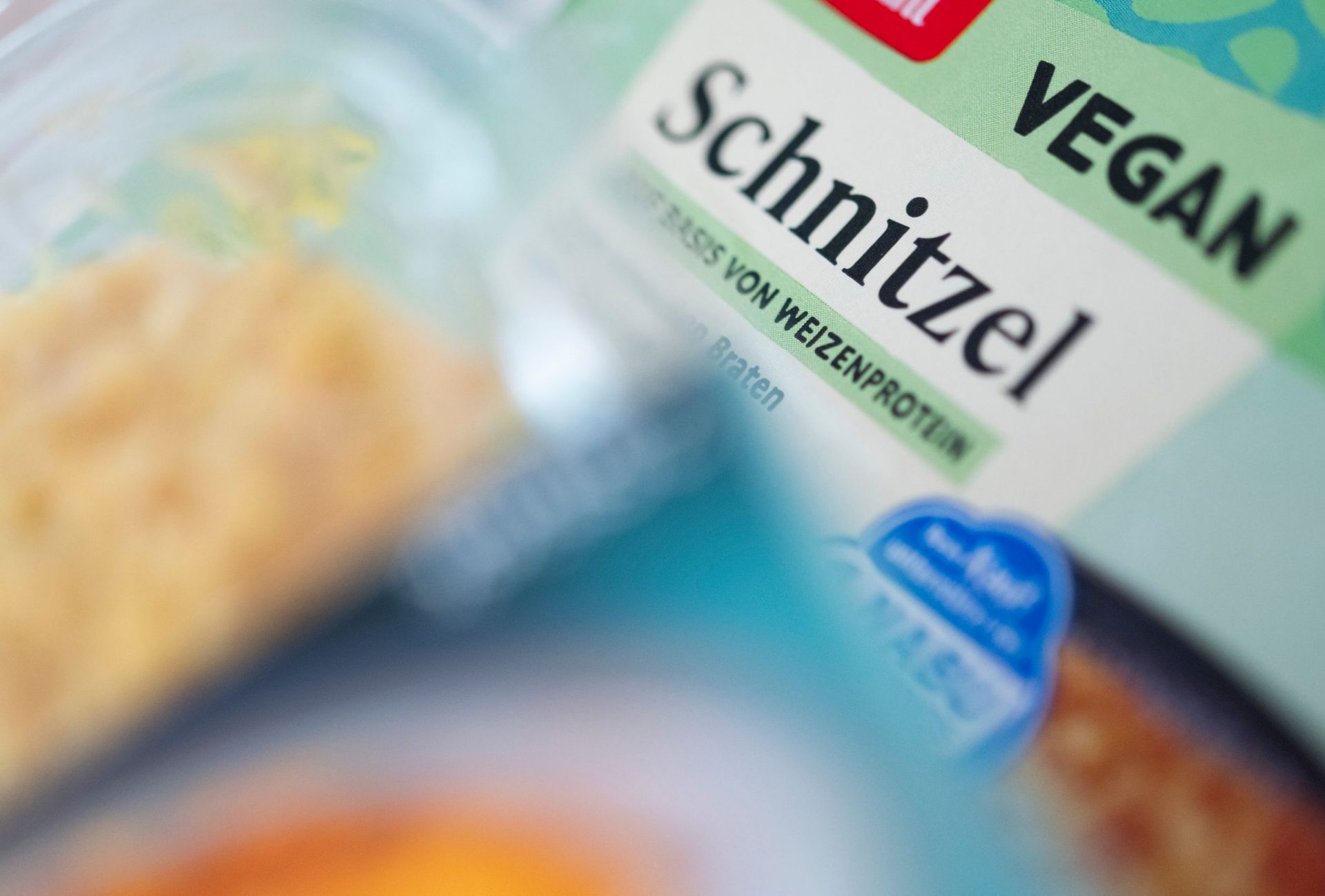
Sustainable Healthy Diets Research Institute director-general Chang You-chuan (張祐銓) said the rules describe plant meat as “overly processed” and “should not be often supplied,” while processed fish or meat products, such as shrimp rolls, hot dogs or bacon, are allowed to be supplied up to once per week.
“That is a double standard,” he said, adding that processed animal meat products like ham or bacon have been listed as a Group 1 carcinogen by the WHO’s International Agency for Research on Cancer.
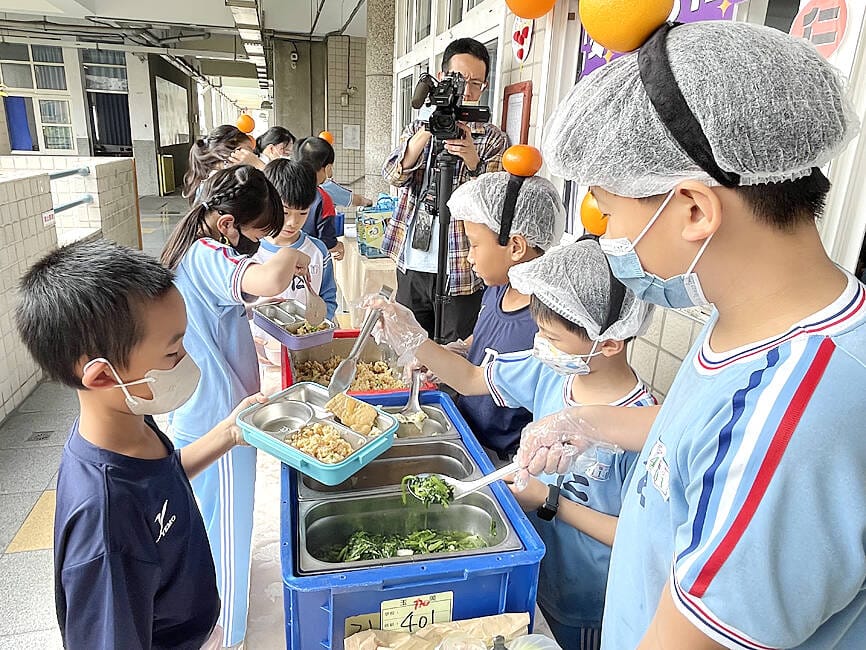
Photo: Su Meng-chuan, Taipei Times
Processed plant meat should not be stigmatized, as it is not carcinogenic like processed animal meat, which is supplied in schools weekly, Chang said.
People who have red meat in their diets replaced by plant meat have seen significantly reduced cardiovascular disease risk factors like obesity, low-density lipoprotein cholesterol and trimethylamine N-oxide, Meat Free Monday Taiwan secretary-general Chang Chia-pei (張家珮) said, citing a Stanford University study published in the American Journal of Clinical Nutrition in 2020.
Vegan protein has also been certified by the Ministry of Health and Welfare as the best protein compared with fish, eggs or animal meat, and can provide dietary fiber, which is absent in red meat, she added.
Tseng Yu-ting (曾鈺婷), a mother of junior-high students, told a news conference that she has been delivering lunches to her vegan children since they were in elementary school, as schools offer lacto-ovo vegetarian diets only.
“I found that leftovers at the school surged [on meatless Monday] because the food tasted awful, and that the weekly ‘meatless Monday’ gradually became a monthly practice,” she said.
The school kitchen sought to improve the flavor by adding ground meat into the plant-based meals, but they were just as unpalatable and there were still a lot of leftovers, Tseng said, adding that many parents would deliver extra snacks to the school in the afternoon on Mondays to feed their lunch-skipping hungry children.
Taiwan People’s Party Legislator Liu Shu-pin (劉書彬) said that the Ministry of Education launched the “meatless day” initiative to encourage elementary and junior-high schools to introduce the weekly meat-free policy on a chosen day in 2010, with 1,476 schools nationwide, or 55.69 percent, having implemented the policy in 2020.
Although some special municipalities have effectively implemented the policy by integrating it into their self-government ordinance for school lunches, plant-based school lunches remain unsatisfactory in most cities and counties, she said, calling for a “school vegetarian day 2.0” scheme.
Vegan proteins such as nuts, mushrooms or soybean products should be incorporated into lunch menus, Liu said.
Chefs should collaborate with dietitians to develop healthy plant-based meals tailored to students’ preferences, while food and climate education should be introduced to get across the importance of eating low-carbon vegetarian foods, she said.
Government Watch Alliance convener Chen Jiau-hua (陳椒華) cited the UN Intergovernmental Panel on Climate Change’s Sixth Assessment Report as saying that governments should promote sustainable plant-based diets amid climate change to ensure food security.
Many vegan protein foods are processed products that would require proper regulation to ensure safety, but their risks are not equivalent to carcinogenic processed meat products, she said, calling on local governments to include the “meatless day” in their self-government ordinance for school lunches.