“The real frontier now is figuring out whole cuts—steak, chicken breast—that really look and feel like muscles,” says St. Pierre. The study explains that “muscle is this vastly complex structure, and plants don’t come with that. Recreating it—the fibrosity, the fat pockets—is a huge challenge.”
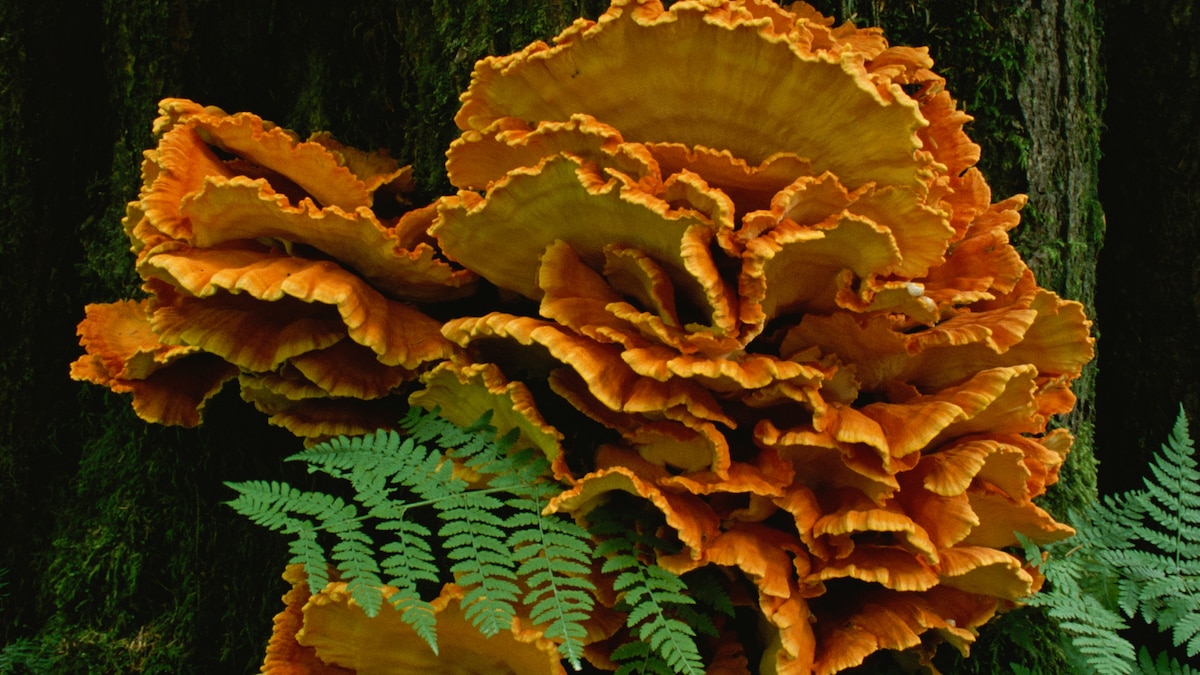
Startups are turning to fungi for solutions. Kimberlie Le, founder of the plant-based deli meat company Prime Roots, looks to mycelium, the branching networks that grow underneath fungi, as a ready-made scaffold.
“When you tear it apart, it has that fibrosity,” she says. “We’re basically growing each one of those fibers, but obviously it’s not an animal.”
Ziliang Yang, founder of a mushroom jerky startup called Mourish, points out that mycelium doesn’t need heavy processing to resemble meat. “Mushroom itself, and also mycelium, have a very natural texture,” she says. “If you look at shiitake or lion’s mane, they already have a fibrous structure very similar to beef.”
Adding flavor, aroma, and protein to plant-based meats
Texture may make an ingredient feel meaty, but flavor and aroma are what keep people hooked.
Across cultures, fermentation has long been the trick that transforms plain ingredients into something deeper and more complex—take China’s pungent fermented tofu, Korea’s earthy doenjang, or India’s tangy dosa batters. Scientists are now running with that idea—sometimes in unexpected ways.
“We added onions to water and then fungi, and then after fermentation, you get this meaty-like smell,” says Felix Stöppelmann, a researcher at the University of Hohenheim. The process, he explains, tames the sharp bite of raw onion and transforms it into something more savory. Through fermentation, the fungi generate aroma compounds that make sulfur-rich vegetables like onions and garlic echo the flavor of cooked meat, specifically liver and sausage. Meat analog companies could then use this aromatic fermented broth as a flavor booster in plant-based patties, bringing them closer to the taste of real meat.