That is a worry. Lots of evidence supports plant-based diets, but most comes from research involving whole foods, says Basheerah Enahora, PhD, who is an assistant professor at North Carolina State University in the department of agricultural and human sciences and has a plant-forward nutrition counseling practice in Durham, N.C. That means lots of fruits, vegetables, beans, and grains, and modest amounts of poultry, fish, and low-fat red meat.
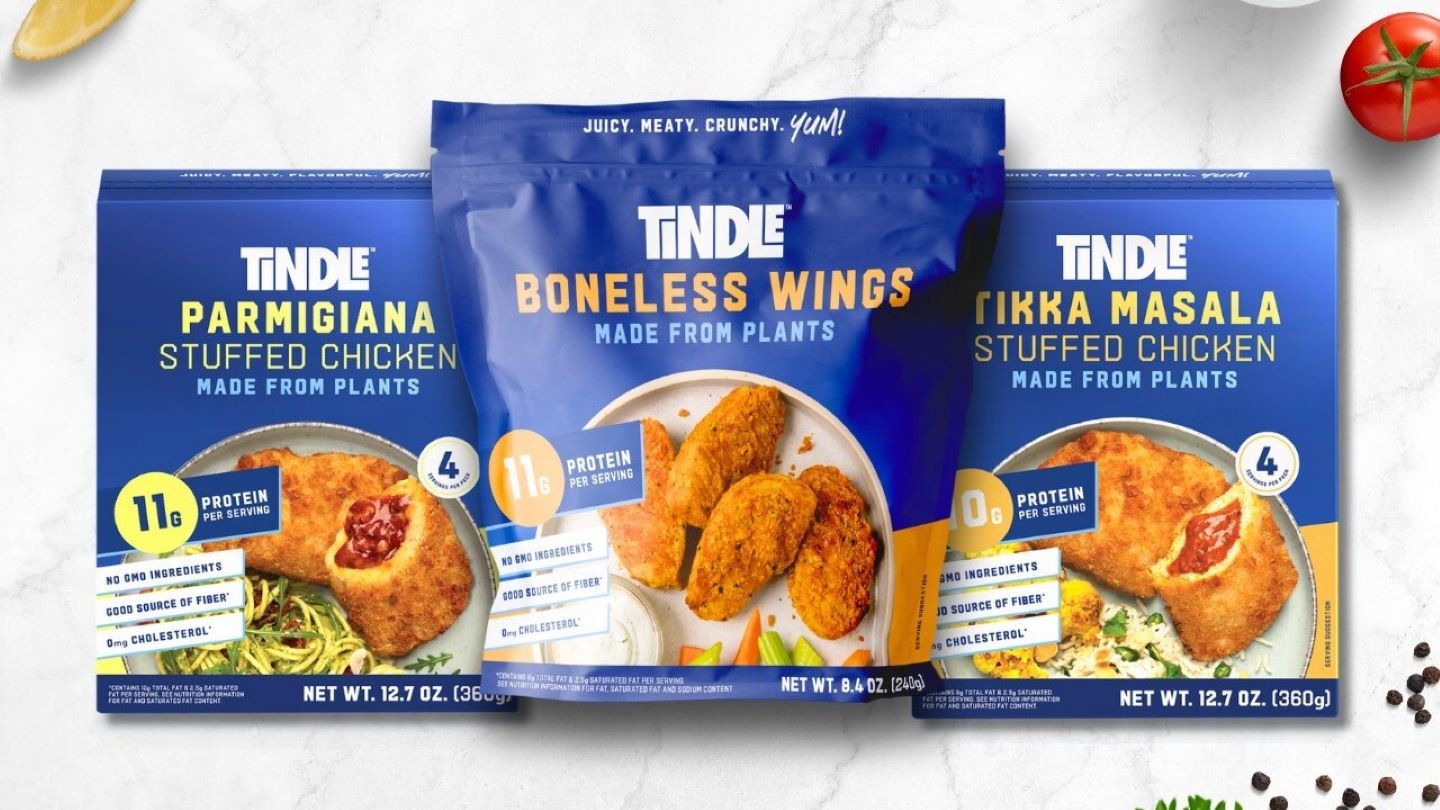
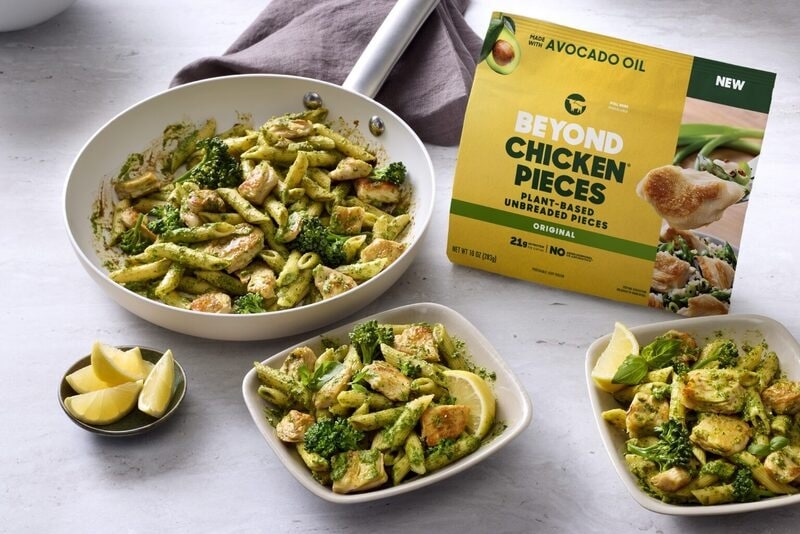
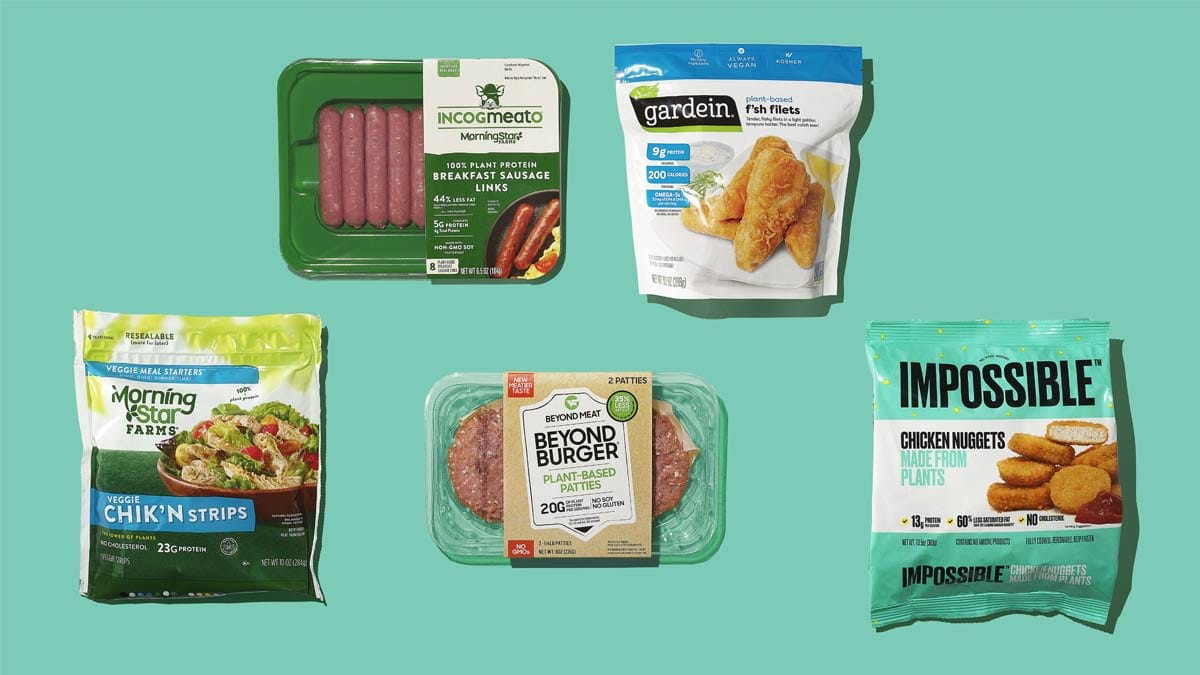
These mock meats are plant-based—but they’re not whole foods. And that raises concerns among nutrition pros because growing research has linked ultraprocessed foods to increased risks of heart disease, weight gain, and more.
It’s not clear whether processed “meats” pose the same risks, says Stephan van Vliet, PhD, of the Center for Human Nutrition Studies at Utah State University in Logan. “Not all ultraprocessed foods are bad,” he says, citing soy and almond milks as healthy examples.
Still, van Vliet, the lead author of a study comparing grass-fed and plant-based burgers, sees important differences between the two. Notably, whole foods contain thousands of compounds in addition to those listed on nutrition labels. “Foods are more complex than the sum of their parts,” he says. “It’s challenging to put together a replacement that contains them all.”
It can be a struggle to include even some familiar nutrients. One study found that swapping animal products with plant-based meat and dairy makes it harder to get enough calcium, potassium, magnesium, zinc, and—especially—vitamin B12, which is found naturally only in animal foods. Among products CR looked at, only five—two “chickens” and three “burgers”—had that vitamin added.
Trying to recreate the benefits of whole foods can raise other issues. Impossible’s burgers, for example, have soy leghemoglobin, a compound created from soybean roots that’s chemically similar to the heme iron in meat. Impossible Foods founder Pat Brown says it “produces the explosion of flavor and aroma when you throw a burger on a grill.” But some research has linked the heme in beef to colon cancer. “So in theory, an Impossible Burger may pose a similar problem,” says Michael Hansen, PhD, a senior scientist at CR.