GLOBAL plant-based meat giant Beyond Meat has seen its US stockmarket share price collapse this week, in the face of panic selling by investors over moves to salvage the financially stressed business.
Beyond Meat’s NYSX stock fell to well below US$1 on Tuesday after the embattled plant-based meat manufacturer finalised a debt exchange deal that handed bondholders hundreds of millions of dollars worth of new shares, while existing investors saw a dilution of their stock value by more than 300 percent.
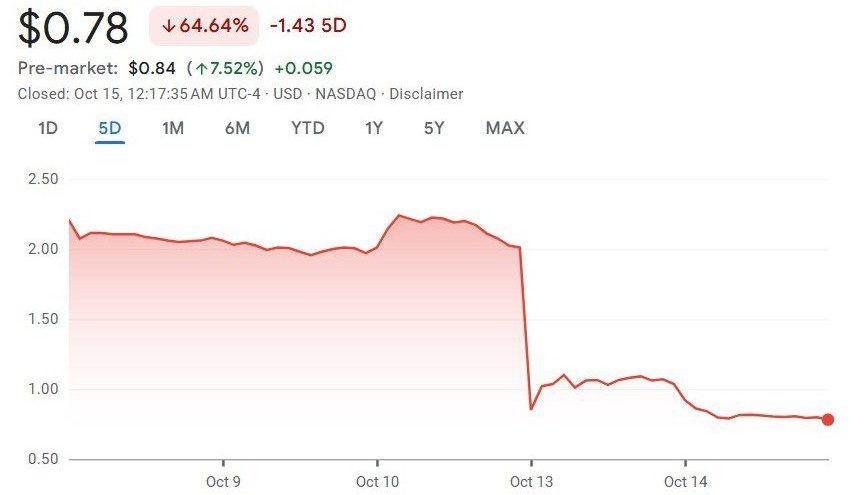
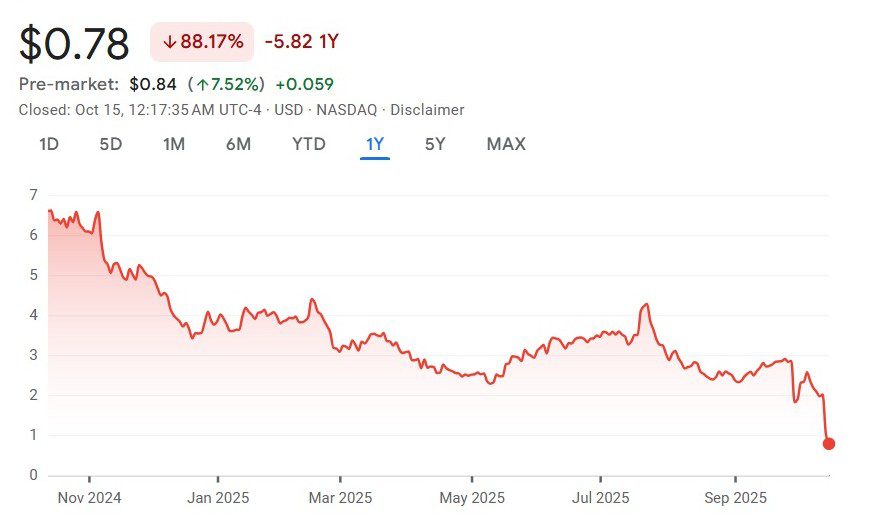
As these graphs shows, Beyond Meat shares plunged almost 50pc in value on Monday and fell from around US$ $1.10 to 78c in Tuesday trading, down more than 76pc this year.
Beyond Meat shares past five working days
Beyond Meat shares past 12 months
The stock could now be regarded as a ‘penny dreadful’ one US market follower suggested.
Back in 2019, Beyond Meat shares were a darling of the US exchange, trading close to $240 a share at its July peak. Since then, the stock has lost more than 99pc of its value.
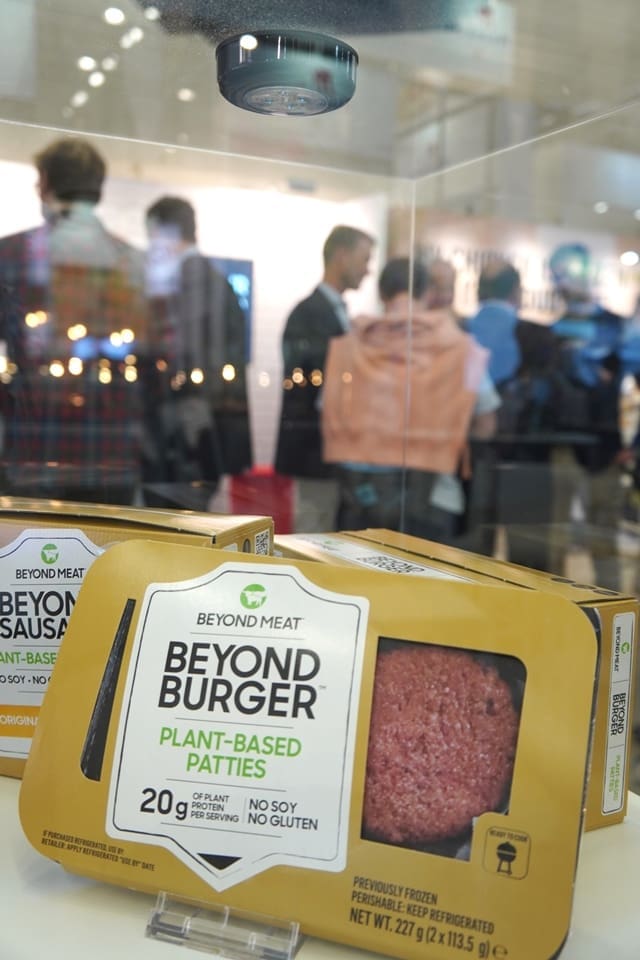
Beyond Meat’s Beyond burger on display at the Anuga food trade show in Germany
The California-based company, once valued at more than $14 billion, said 97pc of bondholders accepted the exchange offer presented this week. The early settlement is scheduled to close today (Wednesday) US time.
While the exchange deal gives Beyond Meat more time to pay down roughly $1.3 billion in debt, it triggered a massive sell-off as traders reacted to the dilution and persistent losses.
The company’s market capitalisation has dropped to about US$60 million — a fraction of the $3.8 billion valuation it commanded soon after its float six years ago.
Wall Street analysts were skeptical that the company can stabilise sales or regain investor confidence.
Despite enormous early hype, Beyond Meat’s sales have plunged amid declining consumer interest in plant-based meats, particularly in the US, its largest market.
Revenue fell about 20pc last quarter to US$75 million as shoppers turned away from pricey, heavily-processed meat substitutes.
The stock hit record highs in July 2019 after deals were struck with food service giants McDonald’s, KFC and others that promised mainstream meat alternatives. But the hype evaporated as consumers increasingly complained about taste, cost and excessive processing.
 In Australia, as in the US, major restaurant chains abandoned plant-based offerings, leading large manufacturers like Impossible Foods, Beyond Meat and Greenleaf to retrench staff in recent years.
Big price mark-downs on supermarket shelves have been another sign that sales are slow.
In a statement released yesterday, Beyond Meat told the market it was a condition to the Exchange Offer that a minimum of 85pc of the aggregate principal amount of existing convertible notes be validly tendered under the process.
Beyond Meat President and CEO Ethan Brown said the move marked a meaningful next step towards the company’s goal of reducing leverage and extending debt maturity.
About Beyond Meat
Beyond Meat, Inc (NASDAQ: BYND) is a plant-based meat company offering a portfolio of ‘revolutionary’ plant-based meats made from simple ingredients without GMOs, no added hormones or antibiotics, and 0mg of cholesterol per serving. Founded in 2009, Beyond Meat products “are designed to have the same taste and texture as animal-based meat while being better for people and the planet,” the company’s literature says.
“Beyond Meat’s brand promise, ‘Eat What You Love’, represents a strong belief that there is a better way to feed our future and that the positive choices we all make, no matter how small, can have a great impact on our personal health and the health of our planet.”
“By shifting from animal-based meat to plant-based protein, we can positively impact four growing global issues: human health, climate change, constraints on natural resources and animal welfare,” the company says.