Across Ireland, the changing of the seasons inspires one of gardening’s quietest yet most hopeful traditions: planting bulbs.
These small, unassuming packages of life hold the promise of riotous colour—tulips and daffodils greeting us in spring, lilies and dahlias in summer.
Whether you’re a first-time gardener or a seasoned hand, bulb planting is less about perfection and more about patience, planning, and the joy of anticipation.
Preparation: more than just gloves and a trowel
Before the first hole is dug, a little foresight makes all the difference. Bulbs are not a one-size-fits-all affair.
They fall into two broad groups, each with their own needs.
Spring-flowering bulbs—tulips, daffodils, irises, crocus—are planted in autumn, usually September and October.
Though their name confuses many beginners, ‘spring bulbs’ do their crucial work during the cold months, resting beneath the soil until the lengthening days coax them into bloom.
Tulips, in particular, can be planted as late as November, but the principle holds: without winter’s chill, they cannot thrive.
By contrast, summer bulbs—gladioli, lilies, dahlias—fear frost.
These tender beauties wait until April or May to be nestled into the soil, bursting into life as the sun strengthens.
Regardless of season, quality matters. A healthy bulb should be firm, free from mould, rot or blemishes, and always planted in the year it was bought.
Location, location, location
Where you plant is just as critical as what you plant.
Most bulbs prefer sunny spots with good drainage.
A waterlogged garden bed is an invitation to rot, not growth.
Heavy Irish clay soils can be tamed with compost, leaf mould or grit, helping roots breathe and bulbs avoid drowning.
Shade, however, need not be barren.
Woodland bulbs like bluebells, snowdrops, cyclamen and anemones thrive in dappled corners, offering gentle colour where little else grows.
For those without gardens, containers provide an excellent alternative.
Any pot with drainage holes, filled with fresh compost, can become a miniature stage for a season’s worth of blooms.
Designing a display

A little imagination elevates bulb planting from practical gardening to living artistry.
For maximum impact, bulbs should be planted in clusters, not lonely singles.
Six or seven together create a punch of colour; dozens make a spectacle.
Height matters too.
When several bulbs flower simultaneously, plant taller varieties at the back and shorter ones at the front.
And for a longer-lasting show, mix early, mid, and late bloomers in the same space.
As one fades, another takes its place, stretching the season of joy.
Planting techniques: back to basics
When the planning is done, the ritual of planting begins. Start by preparing the ground—weed beds, feed lawns if necessary, or refresh containers with compost.
Then follow a few simple rules:
Dig a hole about two to three times the bulb’s height (or check the packet for specifics).
Too shallow, and the bulb may topple; too deep, and it may never emerge.
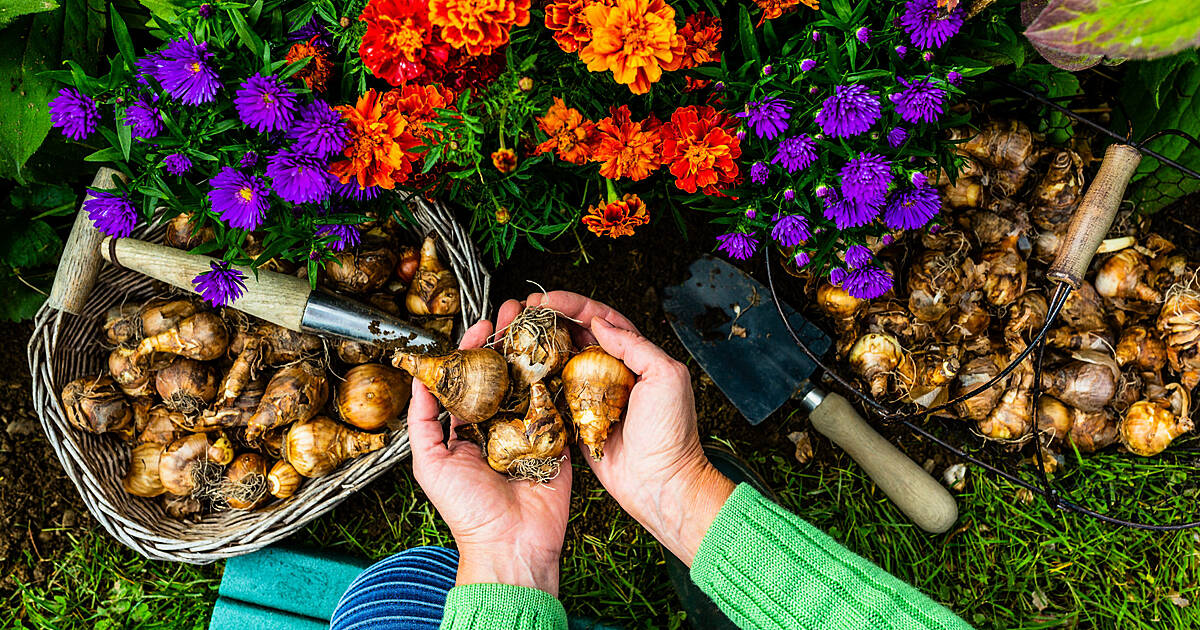
Place the bulb with its pointed tip upward and its rounded base downward. Space them at least two widths apart, except for daffodils, which flourish in close-knit clumps.
Cover with soil and press lightly.
In autumn, moist soil is usually enough, but summer bulbs planted in dry ground may need a watering to settle them in.
Containers demand only one initial watering, then patience until shoots appear.
Layering for impact

For the adventurous, ‘lasagne planting’ offers a way to extend displays in tight spaces.
This technique layers bulbs at different depths in the same pot: large tulips at the bottom, mid-sized daffodils above, and smaller crocus near the top.
Each layer flowers in turn, creating weeks of evolving colour from a single container.
Bringing blooms indoors
For those unwilling to wait until spring, bulbs can be ‘forced’ to flower indoors, bringing brightness to winter’s gloom.
Plant bulbs in decorative pots with drainage, then simulate winter by chilling them in a fridge, garage, or shed for 10 to 15 weeks.
When brought into the light, they believe spring has arrived and bloom accordingly.
Not all bulbs need trickery. Amaryllis and paperwhites, tropical varieties unfamiliar with winter cold, bloom indoors with ease.
Soak the roots, pot them with a third of the bulb above soil, and place them in a warm, sunny window.
Their towering flowers are among the most dramatic winter displays.
Caring for bulbs after bloom
The end of flowering is not the end of the story.
With the right care, bulbs can reward gardeners year after year.
Resist the temptation to cut foliage immediately.
Leaves must wither naturally, feeding the bulb for the following year.
Hardy spring bulbs can remain in place indefinitely, often multiplying underground.
Tender summer bulbs, however, require lifting once the season ends.
Store them in paper or mesh bags—or a perforated box—in a cool, dark, and dry space until spring returns.
A final word of advice: mark the spots where bulbs lie dormant.
It spares them from being disturbed during future planting frenzies.