Plant-based meat used to sit quietly on the fringes, tucked away in health shops and the occasional vegetarian café.
Now it’s everywhere – stacked in grocery aisles, sizzling on fast-food grills, and even showing up in Michelin-level creations.
School cafeterias, home kitchens, and trendy restaurants all ride the rising wave of meatless meals, and there’s plenty of good reason behind the momentum. This list reveals some lesser-known truths about the fast-growing world of plant-based meat and why it’s capturing so much attention.
This article presents general information about plant-based foods and consumer trends. It is not intended as nutritional guidance or medical advice. Individual dietary needs vary, and readers with health concerns should consult a qualified healthcare professional. Images shown are for illustrative purposes only and may not depict the exact products referenced.
20. Plant-Based Meat Sales Have Skyrocketed Since 2020
Supermarket shelves and restaurant menus began shifting dramatically after 2020, with more shoppers exploring meatless options. Sales jumped by over 40% in just one year.
COVID-19 disruptions in traditional meat production helped open the door, but the trend shows no sign of slowing down.
19. Major Fast Food Chains Now Offer Plant-Based Burgers

From Burger King’s Impossible Whopper to McDonald’s McPlant, major chains are diving into the meatless revolution. These partnerships are reshaping fast food’s image.
Plant-based burgers now give customers more inclusive, flexible choices without sacrificing that fast-grilled flavor.
18. Some Plant-Based Meats Have More Protein Than Beef

While real meat is known for protein, some alternatives outdo it, especially when made with legumes like lentils or soy. Brands are pushing for performance.
With smart blends of pea, brown rice, and quinoa protein, these products satisfy athletes and families alike.
17. Ingredients Like Peas And Rice Are Common In Meat Alternatives

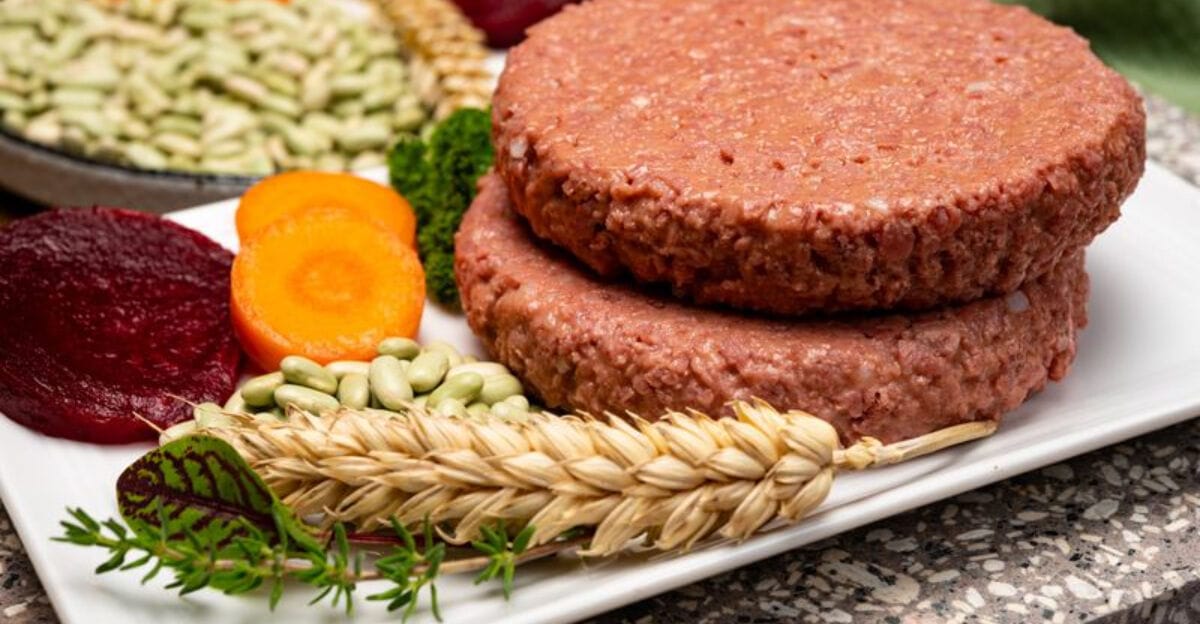
Behind that juicy burger is often a mix of yellow peas, rice, or mung beans working to recreate meat’s chew and structure. These simple crops do heavy lifting.
Flavor enhancers like beet juice or mushroom extract help round out the sensory experience.
16. Plant-Based Meat Produces Fewer Greenhouse Gases

Switching from beef to plant-based patties can cut environmental impact dramatically, with some estimates showing emissions dropping by up to ninety percent.
These alternatives also require far less water and land, making them a greener choice across nearly every meaningful sustainability measure.
15. Lab-Grown Meat And Plant-Based Meat Are Not The Same

Lab-grown meat is made from animal cells, while plant-based meat contains no animal products at all. They are often confused in conversation.
Only plant-based meat fits vegan and vegetarian lifestyles completely.
14. Celebrities Are Investing In Meatless Brands

Smoky, savory, and juicy textures are no accident. Brands use advanced techniques to mirror the sensory profile of cooked beef or chicken.
Whether it’s sausage links or pulled pork, flavor chemistry is front and center in development.
13. Many Products Aim To Mimic Taste And Texture Of Real Meat

The quest to replicate the taste and texture of real meat drives much of the innovation in plant-based products. Achieving a meat-like experience is key to winning over traditional meat lovers.
Through innovative techniques and ingredients, manufacturers have made significant strides in creating convincing meat alternatives. This dedication to authenticity ensures that those transitioning to plant-based diets don’t miss out on the sensory experience of eating meat.
12. Plant-Based Chicken Is The Fastest-Growing Category

While burgers started the trend, faux chicken is now booming with nuggets, tenders, and wings making their way into homes and restaurants.
Even traditional poultry lovers are giving crispy plant-based options a second look.
11. Some Countries Are Banning Labels Like “Vegan Sausage”

New laws in parts of Europe are limiting how plant-based products use words like “burger” or “cheese.” Labeling debates are heating up.
Supporters say consumers are confused, while critics argue these terms are just metaphors, not deceptions.
10. Many Plant-Based Meats Use Coconut Or Canola Oil

To create the right sizzle and mouthfeel, companies rely on fats like coconut, sunflower, or canola. These fats simulate animal fat’s richness.
Balanced carefully, they help create the seared crust or buttery interior people expect from meat.
9. Plant-Based Seafood Is Also On The Rise

Beyond meat, the sea is the next frontier. Companies are crafting tuna, shrimp, and even salmon made from plants and algae.
These innovations respond to overfishing concerns and expand sustainable dining options.
8. Global Companies Are Entering The Meatless Market

Nestlé, Tyson, and even Hormel have launched their own plant-based product lines, seeing opportunity in changing consumer habits.
The shift from niche to mainstream is backed by some of the biggest food giants on Earth.
7. Products Now Include Bacon, Jerky, And Deli Slices

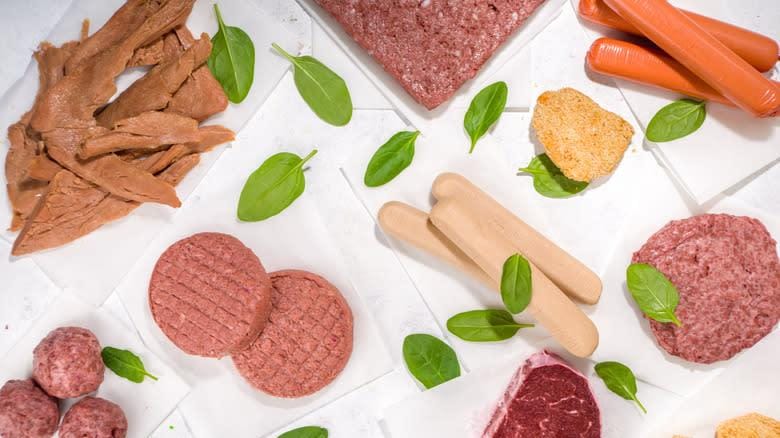
It’s not just burgers anymore. You can now find smoky bacon strips, spiced jerky, and cold cuts made entirely from plants.
These options aim to replace the entire deli counter, not just the grill.
6. Taste Tests Often Fool Meat Eaters

Blind samplings at food fairs and festivals reveal that many people can’t tell the difference in texture or taste. That’s no small feat.
As flavor technology evolves, even skeptics are doing double-takes at first bites.
5. Some Plant-Based Meats Are Fortified With B12 And Iron

To match meat’s nutrition, many products now include essential nutrients like vitamin B12, zinc, and heme iron. This helps avoid deficiencies.
Fortification ensures meat-free diets can stay balanced and complete.
4. You Can Now Find Plant-Based Meat In School Lunches

Public schools across the U.S. are serving plant-based options to meet new health and sustainability goals. Kids are trying them early.
This normalizes plant-based eating for future generations in a low-pressure setting.
3. Meatless Options Are Expanding In Grocery Stores Worldwide

From Tel Aviv to Tokyo, supermarkets are giving more space to vegan burgers, sausages, and nuggets. Global interest is booming.
New flavors tailored to local tastes make the trend feel familiar, not foreign.
2. Even Butchers Are Selling Plant-Based Cuts

Some artisan butchers now include plant-based roasts and fillets alongside traditional offerings. Craftsmanship meets innovation behind the counter.
This blending of traditions helps bridge culinary gaps between vegans and meat-eaters.
1. The Industry Is Projected To Keep Growing Fast

Market analysts predict that plant-based meat could make up 10% of the global meat market in the next decade. Growth is exponential.
Driven by innovation, accessibility, and changing values, this food movement is still just getting started.
The post 20 Things You Didn’t Know About The Plant-Based Meat Boom appeared first on Clean Plates.