Gen Z is the main demographic driving a substantial drop in the number of vegetarians and vegans, as nearly a quarter say they plan to increase their meat consumption.
New research from Rabobank and food rescue charity Kiwiharvest highlights a shift in New Zealanders’ dietary preferences from the last survey conducted in 2023. The proportion of those identifying as vegan fell from 3 percent to 2 percent and the number of people who call themselves vegetarian dropped from 9 percent to 6 percent.
Food retailers say market entrants and sales figures indicate booming demand for protein, while declining demand for plant-based alternatives has prompted business closures and a shrinking of the grocery subsector.
The Rabobank and Kiwiharvest research, which looks at how tighter household budgets are changing food shopping and behaviours, says changes to consumption patterns from the last survey conducted in 2023 differ across age groups.
Blake Holgate from Rabobank says: “If we look at the breakdown of the results by generation to examine who’s driving the change, we see that less Baby Boomers are now saying they are planning to reduce meat consumption (22 percent from 30 percent previously) and a sizeable 23 percent (from 17 percent) of those in Gen Z now say they plan to increase meat consumption.”
Gen Z, encompassing those born between 1996 and the early-mid 2000s, were also the big movers when it came to vegetarian and vegan numbers. Comparatively fewer now identify as vegan, with a drop from 11 percent to 5 percent since 2023, and those calling themselves vegetarians is down to 8 percent from 18 percent.
“One potential reason for this may be coverage of recent New Zealand research showing red meat is a better source of protein than processed plant-based alternatives,” Holgate says.
A segment of society is shunning plant-based food entirely, instead following the ‘carnivore diet’ which involves eating solely meat and animal products.
It’s gained traction in recent months; the ‘NZ Carnivore’ Facebook group has doubled in size year-on-year with members banding together to share their experiences and recipes. The trend has prompted medical professionals over the globe to sound alarm bells over high cholesterol, gout and kidney stones.
Plant-based dissatisfaction
Andrea Braakhuis, head of nutrition at the University of Auckland’s medical and health science faculty, says a recent investigation into young adults’ adherence to restricted diets found vegetarians struggled, even when supported with recipes and food boxes.
“There was a swing a few years ago to far more vegetarian eating … and these plant-based meat alternatives were really popular early on. But then people started realising it’s not quite the same as meat. It doesn’t quite have the same iron content. It doesn’t cook the same. It doesn’t taste the same.
“It didn’t take long for consumers to really go off those products … satisfaction for some of those new products on the market wasn’t great.”
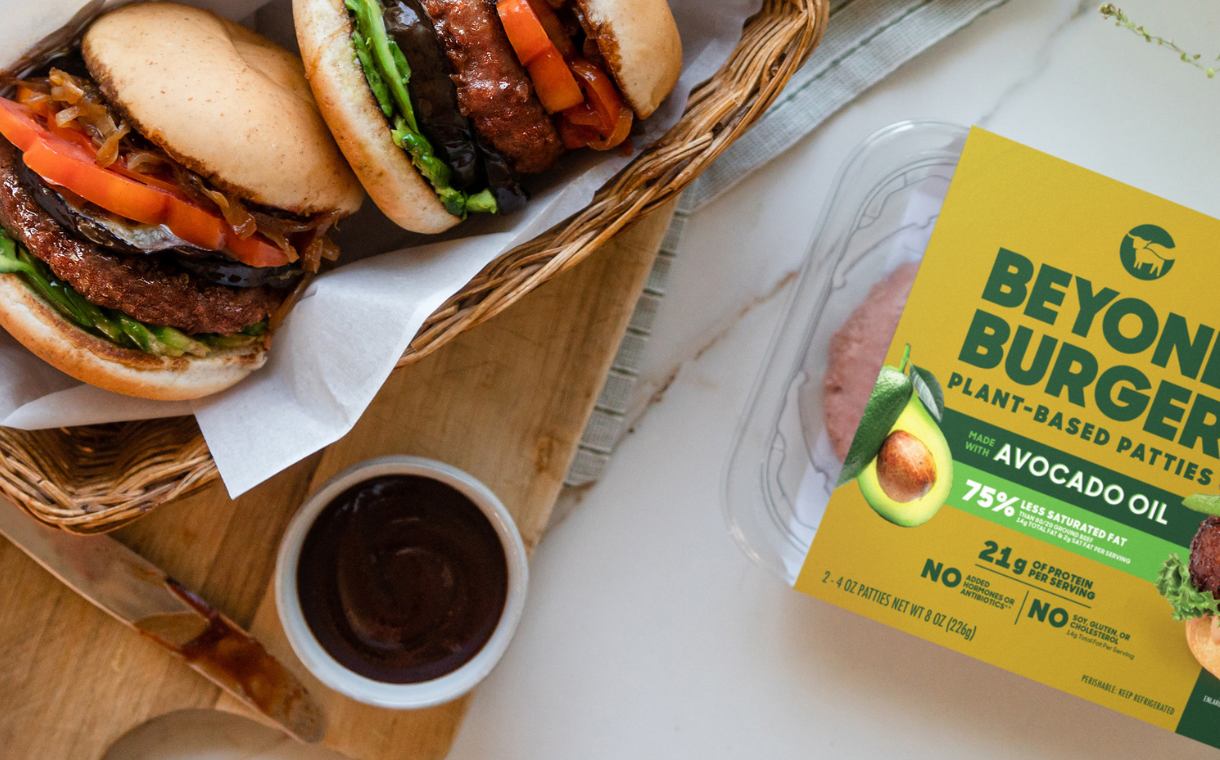
As Braakhuis suggests, it’s been a difficult time for producers of faux chicken tenders or bean-based burger patties.
In May this year, Off-Piste Provisions pulled its plant-based products from shelves and online stores. A month later, Bean Supreme’s shitake mushroom and lentil-based wholefood mince and tofu sausages disappeared from supermarket chillers, after Sanitarium amalgamated Life Health Foods – Bean Supreme’s umbrella company – with Sanitarium Health Food Company NZ.
A Sanitarium spokesperson says: “This was a result of significant decline in the plant-based meat category over the last few years and the business balancing the pressures of rising input costs.”
In April 2024 Sunfed owner Sakul Lee posted a video to the business’ social media channels, explaining the end of her faux chicken business was due to a lack of interest from venture capital investors. She cited the collapse of a “plant-based gold rush” as well as Covid-19 as being part of business challenges.
A few months later, the plant-based Plan*t brand’s parent company Sustainable Foods was liquidated, then sold off this year to a new company led by its original founder, leaving behind more than $2.25 million in unpaid debts – among them most of a $1.25m government loan.
Jocelyn McCallum from Foodstuffs, which owns the Pak’nSave and New World supermarket brands, says pricing, which is typically higher than the original meaty options, is a factor. The rapid growth of the vegan and plant-based category in the early 2020s was followed by greater competition and then a slowing of demand, they say.
“We are now seeing some suppliers exit the market as demand decreases and sales decline. This trend can be attributed, in part, to supplier price increases and a reduced willingness among flexitarian consumers to spend more on plant-based options.”
Braakhuis believes awareness of the health risks around ultra-processed food may also be playing a part in shifting sentiments.
Protein mania
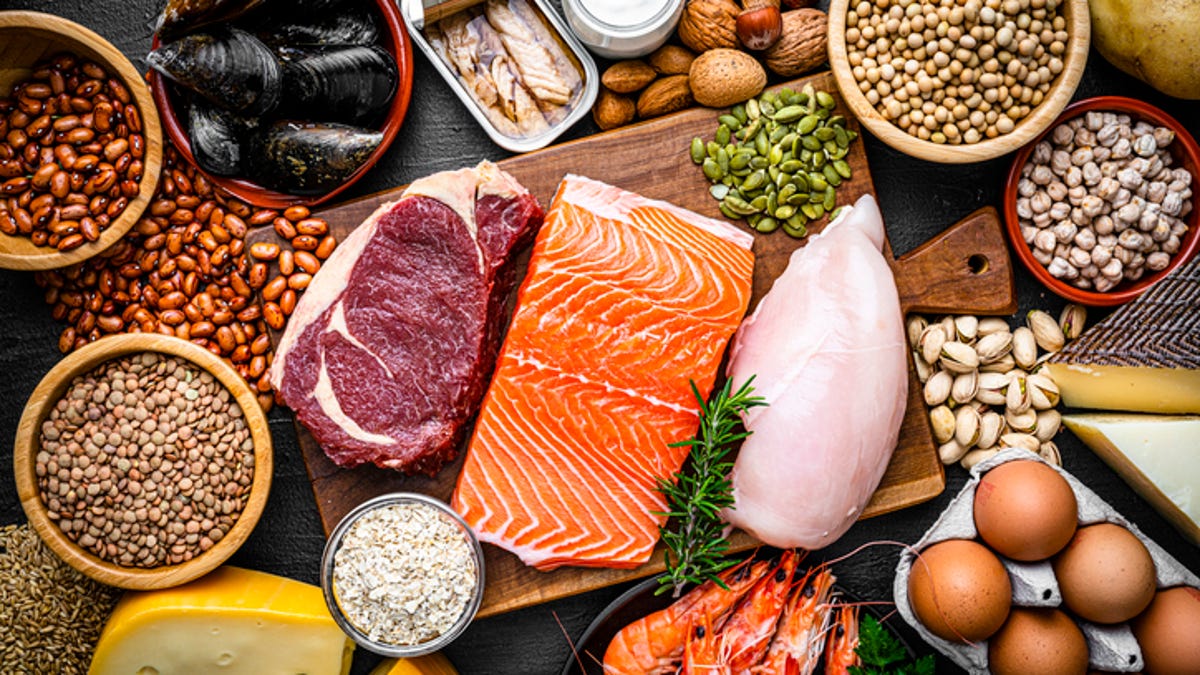
Woolworths’ health and beauty manager Martigne Doolan says sales of alternative meat products have slowed down as customers consume protein in different ways – and it’s not all about meat.
Tofu is having a moment and cottage cheese sales have soared 40 percent – something Doolan credits to trends on social media platforms like TikTok where users share recipes such as a cottage cheese sweet potato beef bowl or ‘two-ingredient cottage cheese crisps’.
“Protein in our diet and sport category is growing hugely and we are also seeing a lot of new product development emphasising high protein content, such as Anchor Protein Shakes and Chobani Fit Yogurts,” Doolan says.
“With growing awareness of the benefits of adding more protein to your diet, protein powders now have broader appeal.”
New Zealander Andy Betts’ protein powder brand Go Good has grown 80-90 percent year-on-year after expanding into Asia. “We’ve been absolutely cranking it,” Betts says.
He founded the company a decade ago and has noticed over the years that the product category has become more mainstream.
“Definitely over the last sort of five to eight years, there’s been less stigma around it and it’s now considered an everyday wellness product rather than just a bodybuilding or a muscle supplement.”
There are both whey – milk protein – and plant-based pea protein varieties of Go Good powders but Betts says he hasn’t noticed any particular shift towards one or the other. He notes that unless they’re a lacto-vegetarian, vegetarians can still use whey protein powder.
The University of Auckland’s Braakhuis says like the early 2020s shift towards veganism, the push for greater protein consumption could be considered a trend.
“A few years ago it was all about the keto diet, and then that sort of went away. That drive for increased protein might be a trend, but the focus on nutrient quality and consuming less ultra-processed food, that might be more enduring.
“I actually think it isn’t necessarily a bad thing.”