Replacing beef with a plant-based meat substitute can change the composition of breast milk in less than a week—in a way that may affect neurodevelopment—even when the rest of the diet consists entirely of whole, unprocessed foods.
This is the caution of researchers from the University of Texas at Austin, who conducted a randomized clinical trial on 24 breastfeeding local families, in which participants followed a prescribed diet for 25 days.
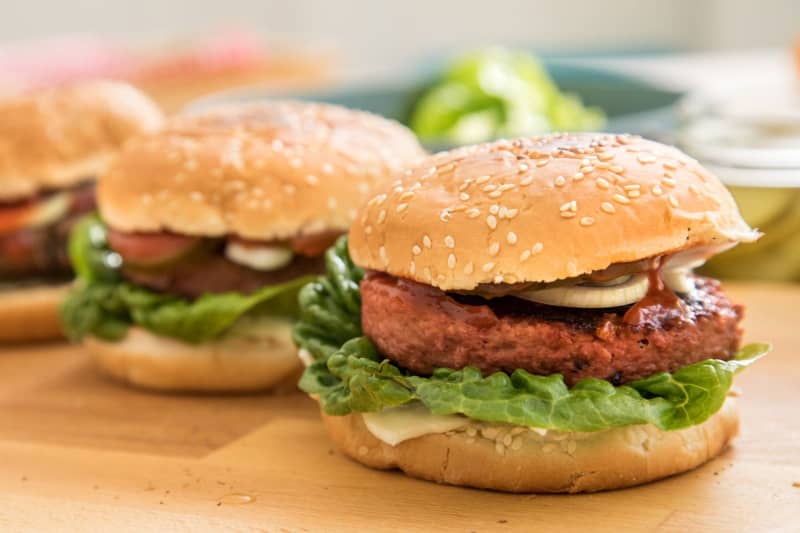
Each family cycled through two nutritionally matched diets that differed in only one respect: the primary protein source. One menu featured whole-food beef, while the other used a popular plant-based substitute classified as ultra-processed.
The team found that while the total fat intake stayed constant, the type of fats passed to infants through breast milk shifted within just six days of each diet change.
Mothers consuming the plant-based alternative produced milk with lower levels of long-chain polyunsaturated fatty acids—nutrients linked to infant brain and immune development—and higher levels of saturated fats, largely stemming from oils frequently used in ultra-processed products.
“We’ve known that breast milk reflects what moms eat, but we were surprised by how quickly and clearly we saw these changes, and from just one food swap,” paper author and behavioral nutrition scientist professor Marissa Burgermaster said in a statement.
“This kind of research helps fill an important gap for breastfeeding families who want to make informed decisions, especially in a market full of ultra-processed plant-based alternatives that may not be nutritionally equivalent to whole foods like beef.”
According to a 2025 survey by the International Food Information Council (IFIC), about 65 percent of Americans reported eating plant-based meat alternatives in the past year, with 20 percent consuming them weekly and 22 percent daily.
Burgermaster also noted that foods with similar nutrition labels do not necessarily have equivalent biological effects.
“The most important takeaway is that food is not just the nutrients that are represented in the nutrition facts,” she told Newsweek. “A whole food resembles an organism, a plant or an animal, that provides humans with nutrition, while plant-based substitutes are essentially a collection of extracts and so it’s hard know what exactly you’re missing.”
For breastfeeding mothers who rely on plant-based meat substitutes, Burgermaster said they should try to maintain an “appropriate level” of long-chain polyunsaturated fatty acids (LCPUFAs).
“It mostly depends if they consume any animal products,” she explained. “Fish, for example, is an excellent source of LCPUFAs. For breastfeeding parents who don’t consume animal products, getting LCPUFAs is certainly a consideration and as far as supplements, algal oils contain LCPUFAs.”
Burgermaster said it was important to note the research took place during a carefully monitored feeding trial—not under normal daily conditions.
The researchers explained that the purpose of their study was not to determine the specific amount of beef or its substitute needed to create a change, but rather to demonstrate that altering one’s diet definitely impacts breast milk.
Funding for the study came from the National Cattlemen’s Beef Association, a contractor to the Beef Checkoff, and the Texas Beef Council. According to the research team, neither group influenced the design, data collection, analysis or publication.
Do you have a tip on a health story that Newsweek should be covering? Do you have a question about breastfeeding? Let us know via [email protected].
Reference
Messer, S., Hudson, E., Rosenthal, M., Leidy, H., Li, Y. N., Brenna, J. T., Park, H. G., Dahale, N., Kan, L., Mai, J. L., Widen, E. M., Harper, L., Cooper, M. H., & Burgermaster, M. (2025). The effect of consuming diets containing beef compared with plant-based beef substitute on human milk composition in the study of nutrition in postpartum and early-life (SUPER) randomized crossover feeding trial. The American Journal of Clinical Nutrition. https://doi.org/10.1016/j.ajcnut.2025.11.001