Chef Ulrika Bengtsson has been a driving force in introducing New Yorkers to the flavors of Sweden—from her early days at Aquavit to her latest venture, Björk Café & Bistro at Scandinavia House. Raised on farm-fresh cooking in rural Hyltebruk, Sweden, she brings both tradition and innovation to the table — creating dishes that reflect her roots while embracing today’s growing demand for plant-forward cuisine.
In this interview, Chef Bengtsson shares her culinary journey, her reflections on Swedish food culture, and how she gives traditional dishes a modern plant-based twist—while staying true to the heart of Scandinavian cooking.
Your culinary journey is inspiring. Can you share how it all began—and what led you to where you are today?
I grew up in the small town of Hyltebruk in southern Sweden. My father hunted deer, moose, and hare, while my mother grew every kind of berry, vegetable, herb, and potato in our garden. We also foraged lingonberries, chanterelles, and other treasures from the forest to enjoy all year round.
At the time, I thought it was boring — we never had pizza or store-bought food. But after a few years in New York, eating my way through mom-and-pop restaurants from every corner of the world, I found myself longing for the cuisine I grew up with. THAT is when I decide to open up my own restaurant.
My first job here was at Aquavit, which gave me a strong foundation in fine dining and Scandinavian cuisine in a new context. Over time, I opened my own restaurants—including Ulrika’s in Midtown — and now Björk Café & Bistro at Scandinavia House, where I’ve come full circle, honoring tradition while exploring what Scandinavian food can be today.
For those unfamiliar, how would you describe the essence of Swedish cuisine?

Swedish cuisine is clean, seasonal, and honest. It’s rooted in nature and tradition—methods like pickling, preserving, and using every part of an ingredient. The flavors are balanced and simple, never heavy or overly spiced, allowing the quality of the ingredients to shine. It’s comforting, but with an understated elegance. And portions are balanced.
Are you seeing a stronger plant-based influence in Swedish cooking today? What’s driving that shift?
I grew up in a home where protein portions were small—my father might eat half a pork chop but plenty of potatoes and vegetables. When I moved to New York, I was shocked by the portion sizes. For me, it’s always been about balance.
Now, there’s a global shift toward sustainability and wellness, and Sweden is leading the way. People are more mindful of their health, the planet, and animal welfare. Even classic Swedish dishes are being reimagined. At Björk, for example, we serve a 50-50 meatloaf—made of half grass-fed beef, half beans, oats, and vegetables. It’s not about removing meat entirely, but about variety, reducing waste, and creating food that feels good and does good.
You grew up with snacks straight from the vegetable patch—how did that farm-to-fork lifestyle shape your approach in the kitchen?
Absolutely—it shaped everything. As kids, if we wanted a snack, we’d pull a carrot from the ground, wipe it off in the grass, and eat it. That way of living taught me to appreciate where food comes from and never waste it.
That mindset still guides me today—how I design menus, run my kitchen, and think about sustainability. It’s about respecting ingredients, honoring the people who grow them, and making sure our guests truly enjoy them.
Your restaurant is called Björk. What’s the meaning behind the name, and what inspired you to choose it?

The previous restaurant at Scandinavia House had a birch tree centerpiece. We couldn’t keep it, but we loved the symbolism. “Björk” means birch in Swedish— a tree that is elegant, resilient, and deeply connected to Scandinavian nature and culture. It perfectly reflects our food: fresh, Nordic, and inspired by the natural world.
How does Björk appeal to a wide range of diners—from meat lovers to vegetarians and everyone in between?
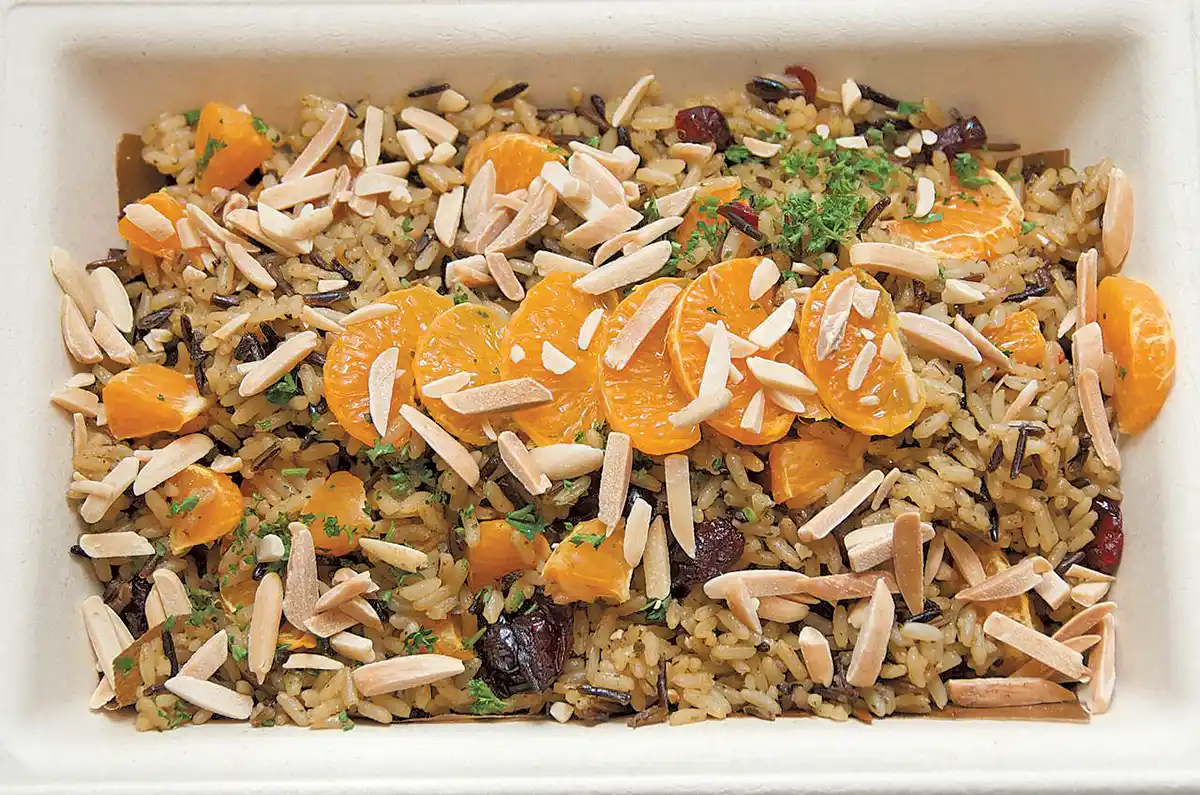
We lead with flavor and quality. Whether it’s our traditional meatballs, potato waffles with different toppings or our quinoa salad w roasted root vegetable salad, the food is satisfying and approachable. Our menu blends classic dishes with creative plant-based options and side dishes you can mix and match, so everyone can create their ideal meal. It’s about balance — just like a Swedish table — and making all guests feel welcome.
The smorgasbord is a Swedish classic. How would you give it a modern, vegetarian twist?
We often have guests who want a smorgasbord without herring, salmon, or other fish. Since we already have a variety of vegetables on the menu, we create a vegetarian smorgasbord with dishes like pickled beet salad, fingerling potatoes, wild mushrooms, pickled vegetables, vegetarian meatballs, roasted cauliflower, and Västerbotten cheese. It keeps the variety, textures, and Nordic flavors, but in a fresh, plant-forward way.
From the forests of Hyltebruk to the streets of New York, Chef Bengtsson’s journey is a reminder that food tastes best when it honors where it comes from—and where it’s going.
For more about Chef Bengtsson and Bjork Café & Bistro, visit bjorkcafe.com