Belgium’s Colruyt Group is making significant strides in sustainable food innovation, introducing both a new line of plant-based ‘enriched’ meat products and the first-ever Belgian-grown edamame beans.
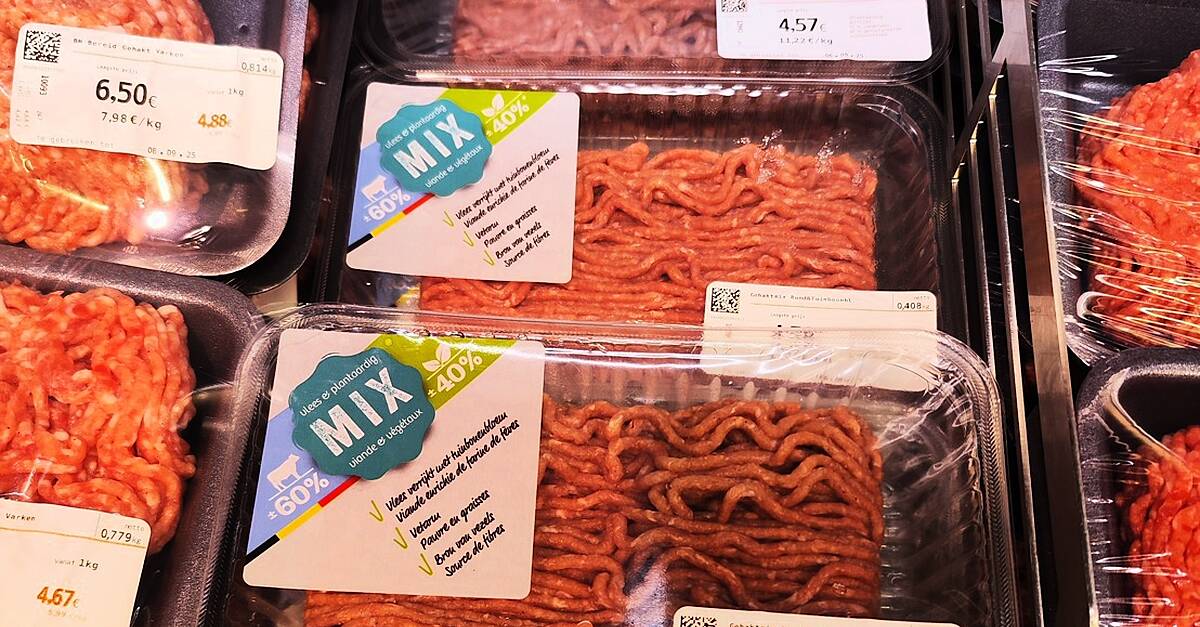
To address evolving dietary trends and promote a ‘protein transition,’ the retailer is launching a range of enriched meat products that blend animal and plant-based proteins. These products will be available in Colruyt Lowest Prices and Okay stores, offering a balanced option for flexitarians and health-conscious consumers.
The first product is minced meat composed of 60% beef and 40% broad bean flour. This blend aims to retain the familiar taste and texture of traditional minced meat while offering reduced saturated fat and increased fibre. Following this, from October 1, the group will introduce enriched sausages (with 25% of the meat replaced by mushrooms and seaweed) and burgers (featuring 25% pumpkin as a meat substitute).
Colruyt Group emphasises that these innovations provide a bridge for those looking to incorporate more plant-based foods without fully committing to vegetarian alternatives. The goal is to reduce animal protein and saturated fat, enhance nutritional value, and lessen environmental impact, all without compromising on taste or quality.
First-Ever Belgian Edamame Beans
Colruyt Group has teamed up with De aardappelhoeve to bring the first Belgian-grown fresh edamame beans to market. These are exclusively available at Colruyt Lowest Prices stores, for a limited two-month period, sold in 200-gram portions under the Boni Plan’t sub-brand.
Traditionally found frozen, these young green soybeans are now offered fresh, perfect as a healthy appetiser in their pods or shelled for use in salads and poké bowls. Wouter Devlies of De aardappelhoeve noted the short shelf life of fresh edamame but hinted at potential year-round availability through freezing in the future.
Sown in mid-May and harvested in early September, the crop contributes to soil health by enhancing oxygen levels and leaving a well-rooted structure. Furthermore, due to its symbiotic relationship with nitrogen-fixing bacteria and natural disease resistance, it requires minimal fertiliser and crop protection.
Kristof Bellemans of Colruyt Group highlights that locally grown edamame beans are a more sustainable alternative to imported varieties, aligning perfectly with the increasing demand for plant-based protein sources and the supermarket’s dedication to the ‘protein shift.’