Europe’s plant-based industry may be heading for one of its most consequential regulatory shifts in a decade. In October, the European Parliament voted in favour of restricting meat-related terms such as ‘burger,’ ‘steak,’ and ‘chicken’ when used on plant-based products, a move framed as enhancing “consumer transparency,” despite years of evidence showing that consumers are not confused by terms like ‘veggie burger.’
The proposal now enters trilogue negotiations on 11 December, where the European Commission, Parliament, and Council of the EU will attempt to finalise the text ahead of a 2026 implementation. If passed as drafted, the rules would ban 29 common culinary terms from plant-based packaging and significantly narrow what producers are allowed to communicate on pack.
A new whitepaper from ProVeg International gathers industry leaders – including The Vegetarian Butcher, La Vie, Planted, Rügenwalder Mühle, and cultivated meat startup BeneMeat – to explore what the proposal could mean for brands, consumers, and Europe’s competitive position in the global protein transition. Their message is clear: the proposal risks creating confusion, raising costs, and undermining innovation.
Brand identity at stake
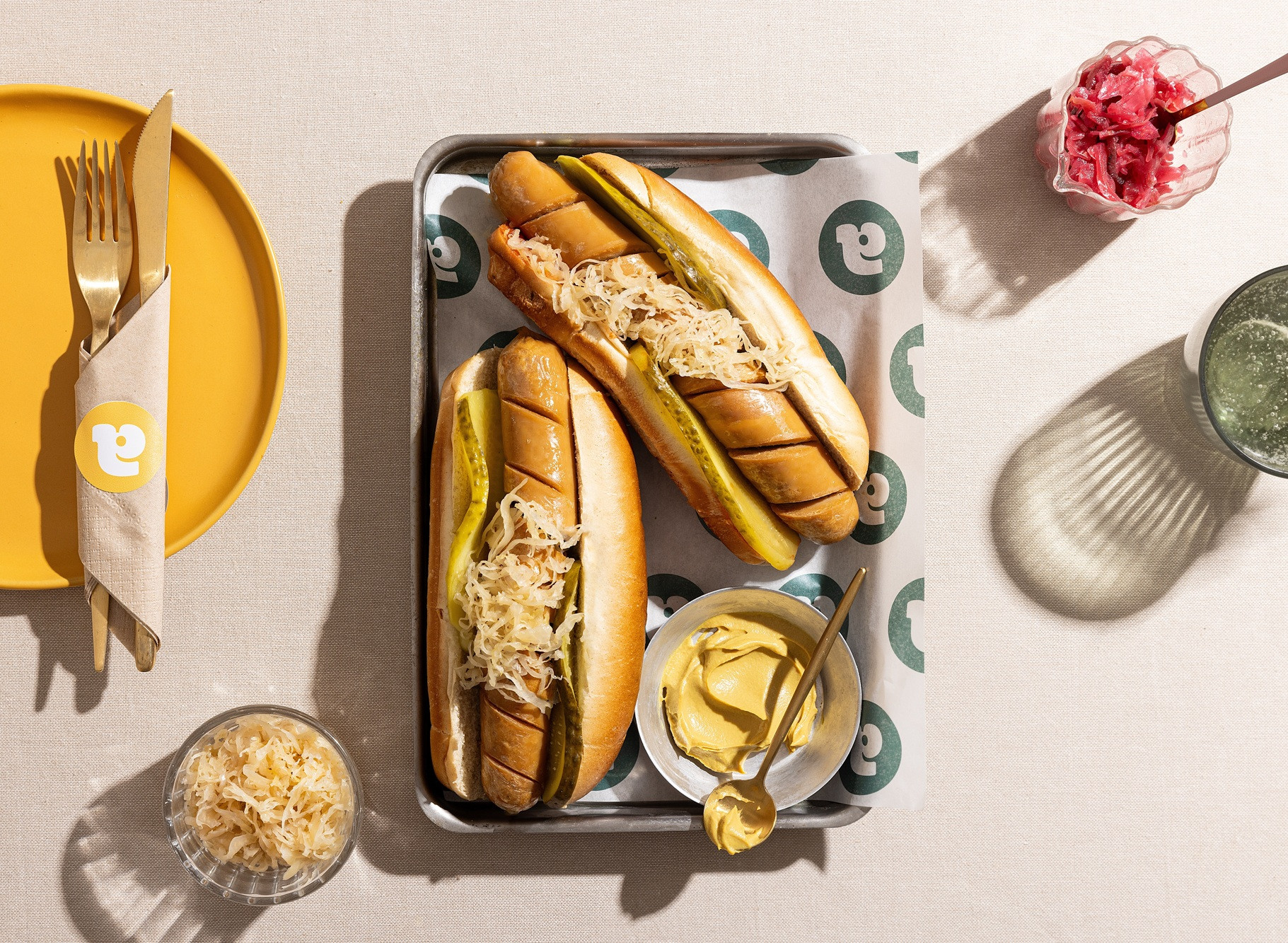
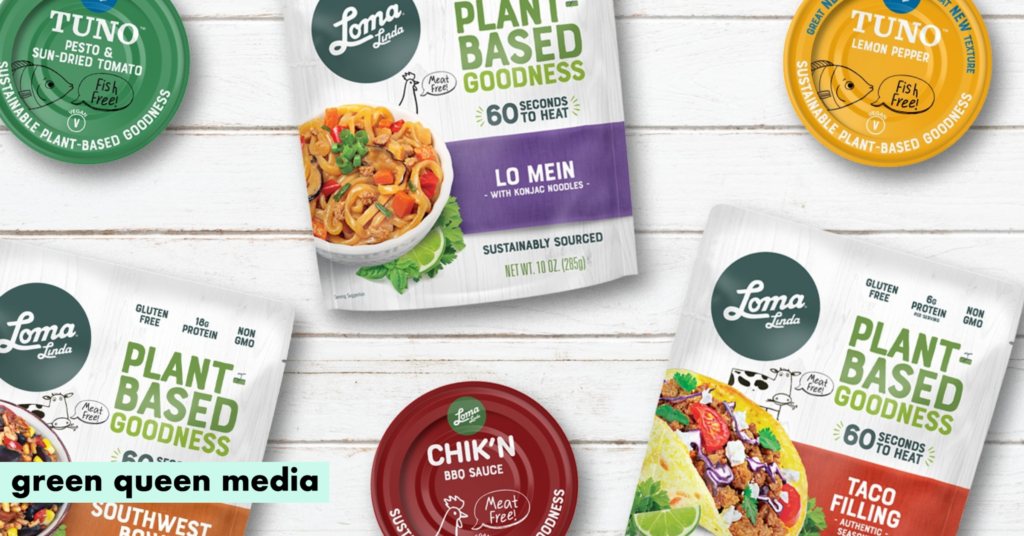
For many producers, ‘meaty’ language is central to consumer understanding. Products like planted.chicken, La Vie’s plant-based bacon, and The Vegetarian Butcher’s entire portfolio rely on functional naming that communicates use, behaviour, and taste expectations.
“If we were forced to abandon familiar terms like burger or schnitzel, we’d risk losing the clarity and recognition shoppers rely on,” says Claudia Hauschild of Rügenwalder Mühle. “It’s not confusion we’d be solving, it’s confusion we’d be creating.”
Companies also warn of significant rebranding costs, from packaging redesign to logistics changes, with some estimating multi-million-euro impacts. La Vie notes that packaging inventories often extend a year in advance, meaning stock worth millions could become unusable overnight.
A competitive disadvantage for Europe?
Executives interviewed highlight broader economic and strategic consequences. Europe currently leads the global plant-based meat market, but restrictive labelling could push innovation and investment elsewhere.
“Business relies on certainty,” says Pascal Bieri, CEO of Planted. “This proposal sends the opposite message. Where do you invest if the rules change unpredictably?”
The impact could extend beyond plant-based meat. Hybrid products – plant-based matrices combined with cultivated components – may fall into a regulatory grey zone, unable to use either conventional meat terminology or plant-based descriptors. BeneMeat notes that this would leave companies without functional language to describe products truthfully.
Consumer confusion, not clarity
Research shows that consumers understand terms like ‘veggie burger’ and ‘plant-based steak’ without difficulty. Research from BEUC and national consumer bodies consistently finds no widespread confusion, and companies selling hundreds of thousands of units per day report the same.
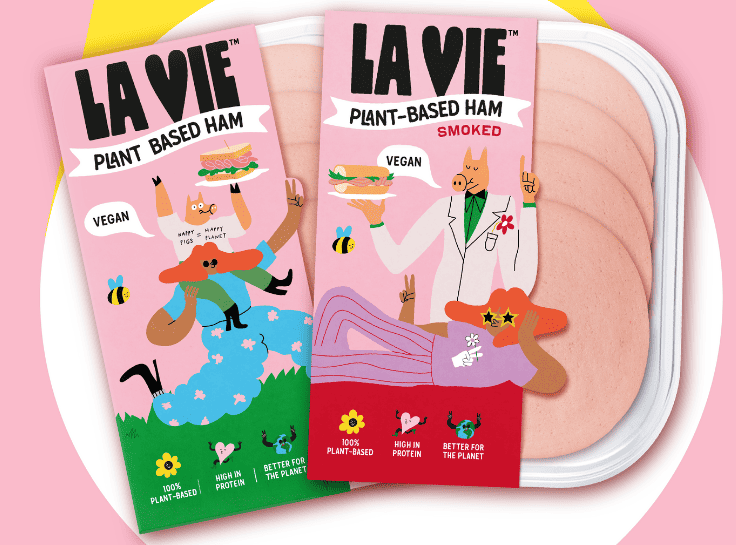
“Everyone understands what ‘plant-based bacon’ means,” says La Vie CEO Nicolas Schweitzer. “But if tomorrow we can’t write it on the pack, we’ll just end up showing a picture… and people might actually get confused.”
A setback for the protein transition
With the EU publicly aiming to accelerate the shift toward sustainable proteins, industry experts argue that the proposal runs counter to its own climate and food-security goals. Restricting familiar language could slow consumer adoption and reduce the competitiveness of European producers compared with regions like the US, Israel, and Singapore, where innovation in alternative proteins is accelerating.
“Europe has a unique opportunity to lead globally in the development and adoption of plant-based meat,” says The Vegetarian Butcher’s Rutger Rozendaal. “By embracing innovation and supporting clear, consumer-friendly labelling, the EU can set the standard for the rest of the world.”
The road ahead
As trilogue negotiations begin, food businesses across Europe are watching closely. The debate has moved far beyond semantics; the outcome will influence brand strategy, investment flows, and the future pace of the protein transition.
ProVeg concludes with a united call from industry: harmonised EU-wide labelling rules, evidence-based policymaking, and regulatory approaches that promote – rather than hinder – sustainable food innovation.
Read the full analysis and industry interviews in ProVeg International’s whitepaper. For more support on your alternative protein strategy, contact ProVeg’s experts at [email protected].