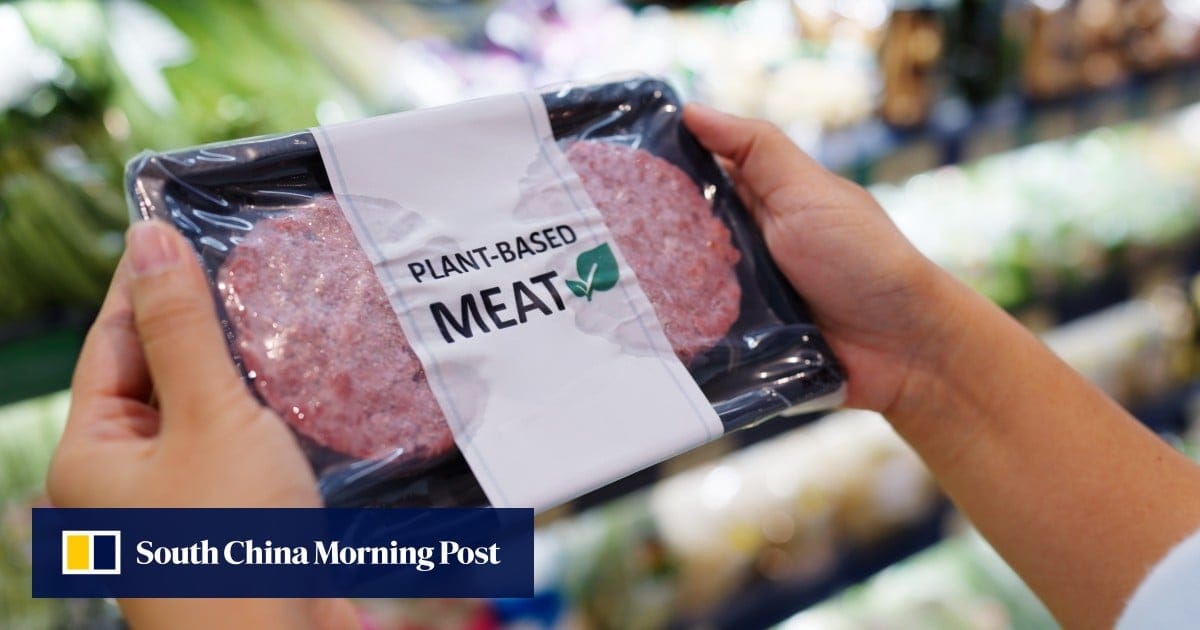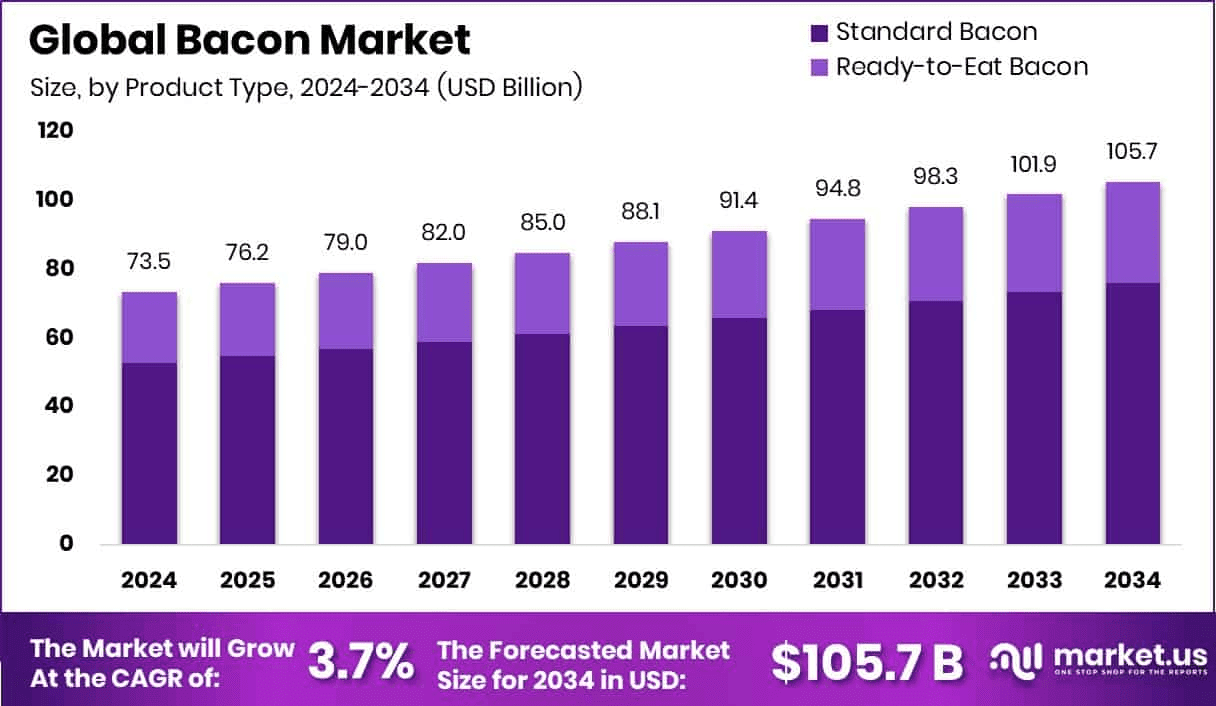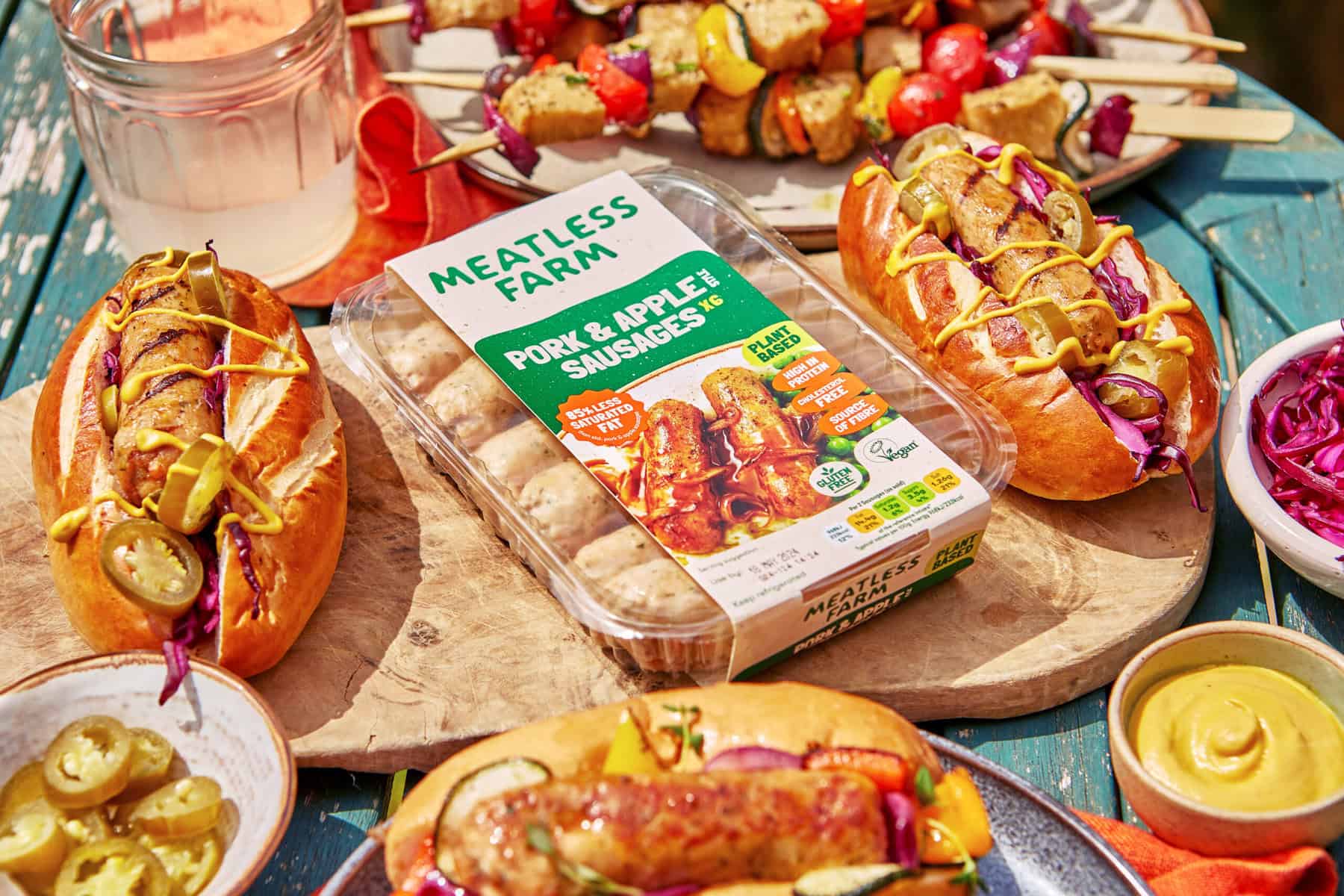
The European Parliament voted today to prohibit the use of traditional meat-related terms for plant-based products. The vote, which passed with 355 in favor, 247 against, and 30 abstentions, effectively bans terms such as “burger,” “sausage,” “bacon,” and “steak” when used to label vegetarian and vegan foods.
“Consumers know perfectly well whether a product is made from meat or plants”
The proposal, which expands on previous legislation, was pushed forward by the Parliament’s Agriculture Committee. If adopted by the European Council and European Commission, it would mean that terms like “veggie burger” could no longer be used, even if the labeling clearly indicates the product contains no meat. This decision is still subject to approval in the next stages of the legislative process, with the position of the German federal government set to play a crucial role.
Extra costs and red tape ahead
The vote has drawn criticism from various sectors, with many arguing that it will create unnecessary complications for businesses and consumers. One of the key concerns is the potential for increased bureaucracy. Companies will likely face additional costs related to changing product names, labels, and compliance with new regulations. Critics also argue that familiar terms help consumers understand what plant-based products might taste like. Surveys suggest that up to 80% of consumers are not confused by terms like “burger” or “sausage” when clearly labeled as plant-based.
Marilda Dhaskali, Senior Agriculture and Land-use Policy Officer at BirdLife Europe, stated, “It’s utterly nonsensical that our elected officials are wasting time – and taxpayer money – on a non-issue like this. Our food system is the leading driver for biodiversity loss, carbon emissions, and nitrogen pollution. Plant-based foods are a solution, and this vote actively works against the progress being made.”
A blow to Europe’s plant-based future
In addition to creating compliance burdens for businesses, the decision has raised concerns about its impact on the plant-based food sector. Jasmijn de Boo, Global CEO of ProVeg International, expressed disappointment over the vote, arguing that Europe’s plant-based food industry is a significant contributor to the economy, particularly for farmers. “Plant-based foods are, and always will be, an essential part of EU agriculture, its economy and its growth. By restricting plant-based labelling, the EU single market is also undermined as such restrictions introduce administrative complexity,” she said.
The ruling also aligns with previous debates about labeling standards. In 2020, the EU rejected a similar ban, reinforcing the idea that consumers can distinguish between plant-based and animal-derived products.
The new regulations are not without support, particularly from those who argue that the use of traditional meat terms can mislead consumers. Some Members of Parliament (MEPs) believe the move is necessary to ensure clarity and prevent confusion, while others view it as part of a broader effort to safeguard traditional meat industries.
‘Meat ideology’ clash
The ban has already sparked debate in Germany, where Dr. Zoe Mayer, a member of Germany’s Alliance 90/The Greens, criticized the decision as “pure meat ideology,” claiming it undermines an emerging industry with significant potential for sustainability and innovation. Mayer added, “Consumers know perfectly well whether a product is made from meat or plants. Terms that describe what an alternative product tastes like or which cut of meat it can replace have provided clear guidance for years.”
“This ideological culture war at the expense of sustainable food truly benefits no one”
The impact of the ban on the plant-based sector could be far-reaching. Consumer groups like Veganuary warn that the decision will hinder the transition to more sustainable diets. “The EU is making access to climate-friendly food more difficult, thereby weakening one of the most effective levers for tackling the climate crisis,” said Christopher Hollmann, Managing Director of Veganuary Germany.
The decision is also raising concerns in the broader European food market. Ivo Rzegotta of the Good Food Institute Europe criticized the move as detrimental to both businesses and consumers, saying, “This ideological culture war at the expense of sustainable food truly benefits no one.”
The outcome of future discussions between the European Council and Commission will determine the final shape of these restrictions, and many stakeholders will be closely monitoring the negotiations.