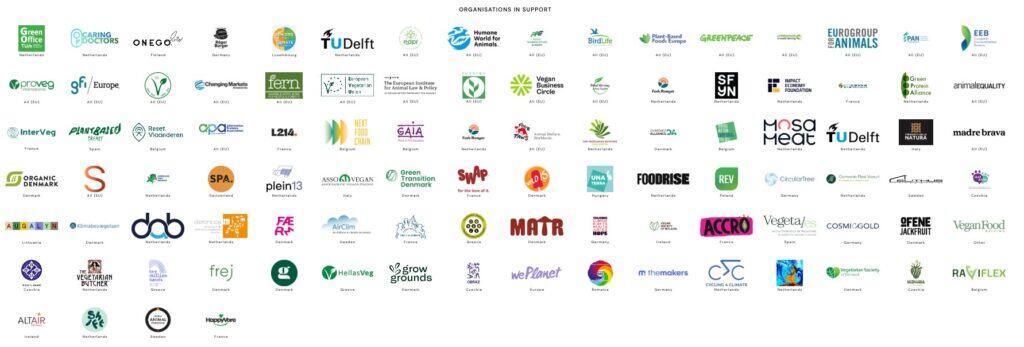
More than 200 organizations, including major environmental groups, food manufacturers, and animal welfare advocates, have united to oppose the European Commission’s proposal to ban the use of certain meat-related terms for plant-based products. This coalition, which has launched the “No Confusion” campaign, is urging European lawmakers to reject the plan that would restrict terms like “burger,” “sausage,” and “chicken” from appearing on plant-based food labels.
Commission proposal would impact 29 terms
The European Commission’s proposal aims to prohibit the use of 29 meat-related words, such as “bacon,” “beef,” and “chicken,” for plant-based alternatives. In addition, the European Parliament is considering adding terms like “burger” and “sausage” to the list of banned names. The Commission justifies the move by claiming that these terms create confusion for consumers. However, no substantial evidence has been provided to support this assertion, and consumer surveys, such as one from the European Consumer Organization (BEUC), show that most shoppers are not misled by these labels.
Rafael Pinto, Senior Policy Manager at the European Vegetarian Union (EVU), argued, “It is clear that consumers are not confused by a ‘plant-based sausage,’ ‘burger’ or plant-based chicken. These terms help consumers understand how to cook and enjoy sustainable alternatives. Banning them only creates confusion and slows down Europe’s transition to healthier, climate-friendly diets.”
Court ruling adds legal weight to the debate
The controversy surrounding the proposed ban follows a 2024 ruling by the European Court of Justice, which found that current legislation already sufficiently protects consumers and ensures clarity in product labeling. Despite this ruling, the Commission’s proposal remains on the table.
Dr. Roberta Alessandrini, Director of the Dietary Guidelines Initiative at PAN International, pointed out that plant-based alternatives offer a way for consumers to reduce their intake of processed meats, which are linked to health risks such as colorectal cancer. “These products are also convenient and environmentally sustainable. We oppose the decision to ban meat-sounding names for these products, as it creates an unnecessary barrier,” Alessandrini said.
The proposal has also sparked concern among stakeholders in the plant-based food sector. Siska Pottie, Secretary General of the European Alliance for Plant-based Food (EAPF), stated, “Plant-based foods are among Europe’s fastest-growing markets, driving innovation, creating jobs and contributing to a competitive European food sector. Additional restrictions would risk hindering consumer trust and stifling food innovation.”
Plant-based Foods Europe, a group representing businesses in the plant-based food industry, has warned that restricting the use of meat-related terms would disadvantage plant-based products and harm market competition. “Denomination restrictions will only hinder the EU’s ambitions for innovation and clash with the growing consumer demand for plant-based options,” the organization stated.
What’s at stake for sustainability and business
Opponents argue that this regulatory change would hurt businesses by forcing costly rebranding and slowing the adoption of plant-based alternatives, which are viewed as key to achieving the EU’s climate, health, and sustainability goals.
As the European Parliament prepares to vote on the proposal on October 7, over 200 organizations are calling for policymakers to reject the plan and focus on solutions that would support innovation and consumer choice in the plant-based sector. The “No Confusion” campaign argues that current legislation is sufficient and that the proposed ban would only create unnecessary barriers, economic harm, and setbacks for sustainability.