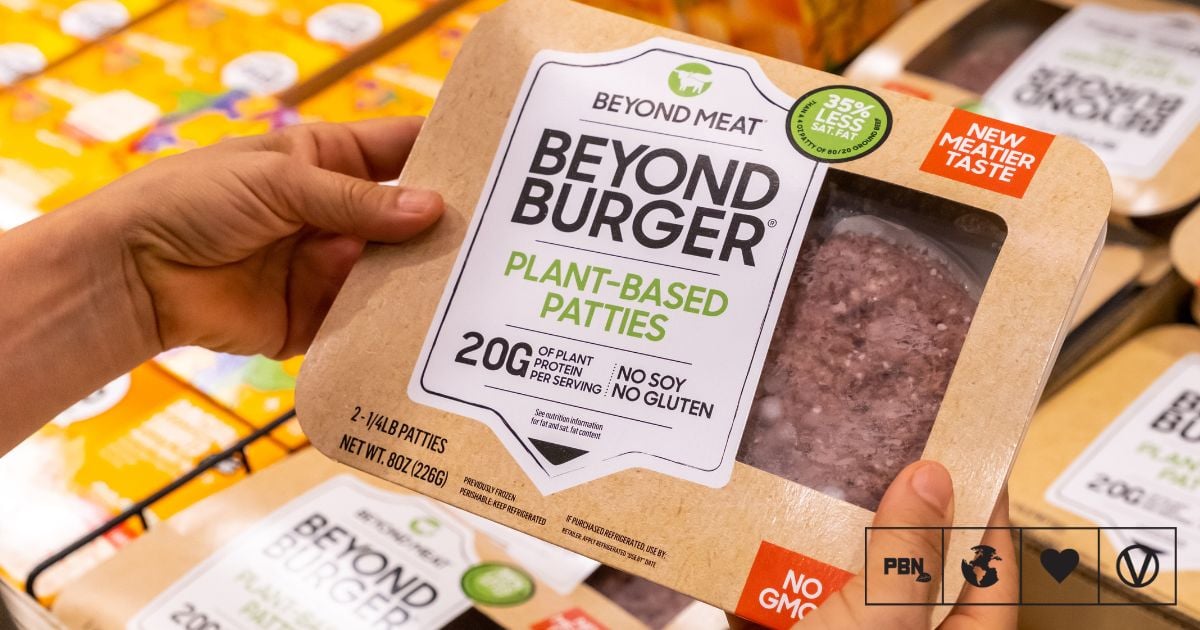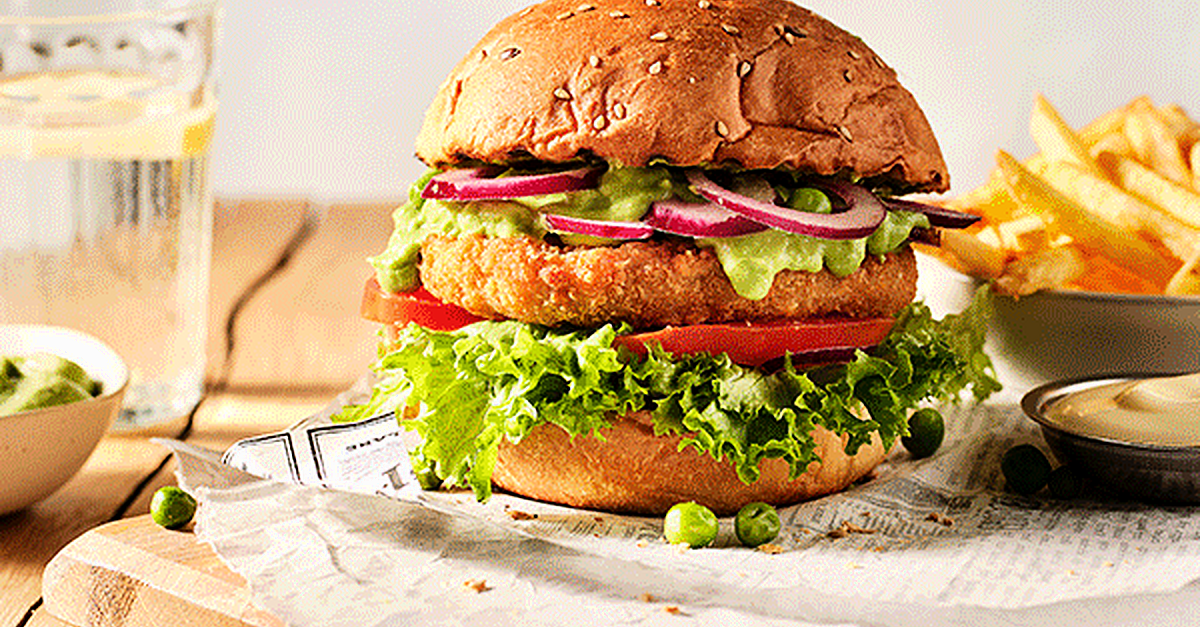
The European Parliament has voted against the use of words like veggie burger and vegan sausage for plant-based food items.
The regulation will also limit the use of certain terms in food descriptions – such as steak, escalope and sausage – for products containing meat.
It aims to give farmers a stronger negotiating position, so that powerful companies in the food supply chain do not impose unfavourable conditions, according to Reuters.
The motion to impose restrictions on food-naming secured 355 votes in favour and 247 against from MEPs.
The European Commission, Parliament and Council will now enter into informal negotiations and finalise the law before the end of this year.
In 2020, the European Parliament voted to reject proposals – backed by farmers – to ban plant-based products from using terms such as steak, sausage or burger.
Naming Restrictions
According to non-profit the Good Food Institute Europe, the restrictions would include 29 names for plant-based meat products, including beef, chicken, bacon, breast, wing and drumstick, among others.
In the European Parliament, the European People’s Party Group (EPP Group) announced that it had succeeded in ensuring that traditional names such as steak or burger must be reserved exclusively for products derived from animal meat.
“A steak is made of meat – full stop. Using these names only for real meat keeps labels honest, protects farmers, and preserves Europe’s culinary traditions,” said Céline Imart MEP, the European Parliament’s lead negotiator.
Imart added, “Lab-grown meat is not only a total aberration, but also a threat to traditional farming and real food production – the core of European agriculture.”
Concerns
Ahead of the vote, German food companies and retailers Lidl and Aldi expressed concern over the proposal in a joint open letter, citing that plant-based products would have to be labelled and advertised using unfamiliar terms.
‘This amendment has nothing to do with the actual purpose of the revision, but runs counter to the goal of a resilient and diverse food supply with strong agricultural businesses. It also weakens consumer rights and harms German and European companies,’ the letter stated.
The Good Food Institute Europe highlighted that the new restrictions would impose a financial burden on the bloc’s plant-based food sector, as labelling restrictions would introduce additional costs.
Discarding existing packaging and rebranding labels could also make it less appealing for international companies to enter the EU market, the association added.