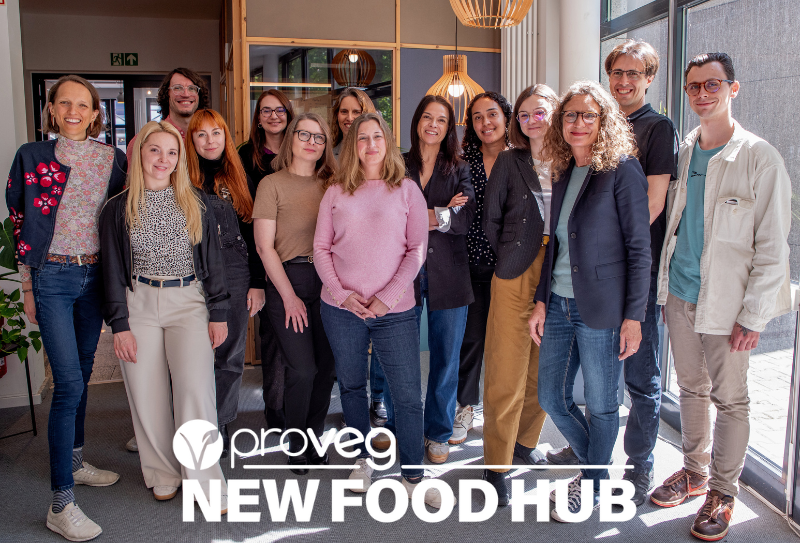
What does the future of plant-based and alternative proteins look like? A clear window into where the industry is headed, comes from the ProVeg Incubator, the Berlin-based accelerator backing early-stage ventures that are quietly reimagining the food system.
The latest cohorts underscore the diversity and practicality of this wave of innovation. Startups like Updairy, operating between Brazil and Singapore, are producing whey protein via filamentous fungi, while Israel’s Finally Foods is applying molecular farming and AI to grow casein in potatoes.
Others are tackling the long-standing challenge of fat functionality. For example, KaYama Foods has developed a plant-based fat that mimics the performance of animal fat but without cholesterol or excessive saturated fat, while Poland’s Planeat is producing meat and seafood analogues designed for authentic mouthfeel and texture.
Circular and waste-driven ingredients are also coming to the fore. Canada’s Mindful FÜD makes a bee-free honey alternative from surplus apples that never make it to supermarket shelves, while Germany’s Brew Bites is turning brewer’s grain and pumpkin seed flour into savoury protein chunks.
At the same time, regional approaches are expanding the cultural scope of the category: Meatless Kingdom in Indonesia produces mushroom- and soy-based rendang and jerky, while Canada’s Profillet is developing flaky white fish fillets without relying on heat or freezing. Even the pet food market is being transformed, with US-based Friends & Family Pet Food working on cultivated and yeast-derived proteins for complete, veterinary-approved diets.
What connects these ventures is a focus on solving practical problems – improving texture, scaling ingredient production, reducing waste, and creating foods that resonate with consumers across different markets. Together, they point to where the next wave of plant-based adoption is likely to take hold.
On 18 September 2025, the Incubator will host its Demo Day, where the current cohort of startups will pitch live to investors and the public. The free online event will offer a glimpse into which innovations are gaining traction and how they may shape the future of food.
To explore the full analysis of these startups and what their work means for the sector, and to sign up for the Demo Day, read more on ProVeg International’s New Food Hub.