Meat Substitutes Market Overview
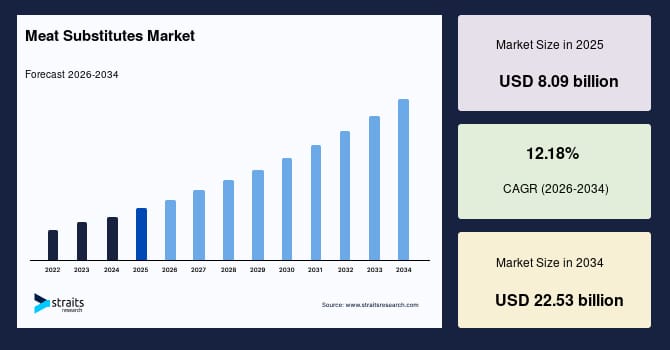
The global meat substitutes market size was valued at USD 8.09 billion in 2025 and is estimated to reach USD 22.53 billion by 2034, growing at a CAGR of 12.18% during the forecast period (2026–2034). The market is driven by rising consumer awareness of health, sustainability, and animal welfare. Technological innovations in plant-based ingredients, expanding retail availability, and the popularity of flexitarian diets further boost demand for sustainable, protein-rich meat alternatives worldwide.
Key Market Trends & Insights
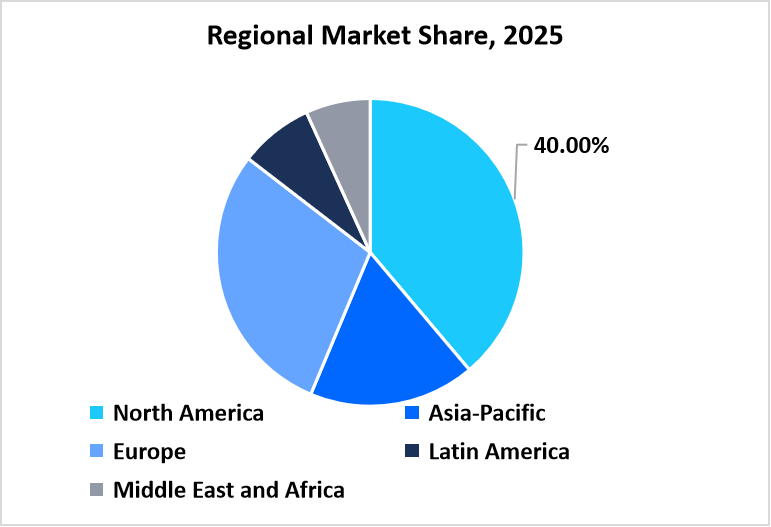
- North America held the largest market share, over 40% of the global market.
- Asia-Pacific is the fastest-growing region with a CAGR of 13.84%.
- By Source, the Mycoprotein segmentis expected to witness the fastest CAGR of 13.47%.
- By Product Type, the burgers/patties segment held the highest market share of over 30%.
- By Distribution Channel, the food service channels segmentis expected to witness the fastest CAGR of 13.12%.
- The U.S. meat substitutes market was valued at USD 2.64 billionin 2024 and reached USD 2.99 billion in 2025.
Source: Straits Research
Market Size & Forecast
- 2025 Market Size: USD 8.09 billion
- 2034 Projected Market Size: USD 22.53 billion
- CAGR (2026-2034): 18%
- North America: Largest market
- Asia-Pacific: Fastest-growing region
Meat substitutes are plant-based or lab-grown products designed to mimic the taste, texture, and nutritional value of animal meat. Common sources include soy, pea, wheat, and mycoprotein. These products are used in burgers, sausages, nuggets, and ready-to-eat meals, offering a sustainable alternative to animal protein. They cater to health-conscious consumers, vegetarians, and flexitarians seeking ethical and eco-friendly choices. Continuous innovation in flavor, texture, and processing technologies is expanding their applications across sectors.
The market is driven by increasing awareness of climate change and the high carbon footprint of livestock farming. Advancements in cellular agriculture and precision fermentation are creating new growth avenues. Expanding availability in quick-service restaurants and online retail platforms is enhancing accessibility. Moreover, government initiatives promoting sustainable protein sources and supportive labeling regulations are encouraging consumer acceptance, strengthening the market’s long-term expansion potential.
Latest Market Trends
Increased demand for clean-label, allergen-free, and fortified plant-based proteins
Consumers worldwide are becoming more health-conscious and selective about the ingredients in their food. This shift has led to a growing preference for clean-label meat substitutes made with natural, transparent, and minimally processed components. The demand for allergen-free and fortified plant proteins is also rising as people seek safer and more nutritious alternatives.
Moreover, manufacturers are responding by developing meat substitutes enriched with vitamins, minerals, and functional ingredients to enhance their nutritional profile. The focus on allergen-free sources like pea, fava bean, and rice proteins is driving innovation, helping brands cater to vegan, gluten-free, and allergy-sensitive consumers.
Growing investments from major food companies and startups
The meat substitutes industry is witnessing a surge in investments from both established food corporations and emerging startups. Big brands are expanding their portfolios through acquisitions and partnerships, while innovative startups are attracting venture capital to scale production and refine product quality.
Funding in the alternative protein sector continues to grow steadily, supporting advancements in fermentation and cell-based meat technologies. These investments are fostering competitive innovation, enabling companies to improve taste, texture, and nutritional value while meeting the escalating consumer demand.
Market Driver
Growing adoption of vegan and vegetarian diets
The growing adoption of vegan and vegetarian diets continues to be a major driver of the global meat substitutes market. Consumers are increasingly shifting toward plant-based options due to rising health awareness, environmental concerns, and ethical considerations surrounding animal welfare.
- For instance, Veganuary, the global organisation encouraging people to try vegan diets in January and beyond, expanded its presence in 2025 with new campaigns in Canada, Peru, and Malaysia, drawing participation from around 25.8 million people worldwide. This surge in vegan trials reflects a broader acceptance of plant-based lifestyles.
As more consumers explore sustainable eating habits, food manufacturers are accelerating innovation in meat alternatives, offering diverse and protein-rich options that align with evolving dietary preferences.
Market Restraint
High production costs compared to conventional meat products
High production costs remain a significant restraint in the global meat substitutes market, limiting affordability and large-scale adoption. The manufacturing process for plant-based and cultured meats involves advanced technologies, specialized ingredients, and rigorous quality control, all of which increase overall expenses.
Moreover, sourcing high-quality protein isolates and ensuring desirable texture and flavor further drive up costs. Unlike traditional meat, which benefits from established supply chains and economies of scale, alternative protein producers face higher operational and R&D expenditures, hindering competitive pricing and mass-market penetration.
Market Opportunity
Collaborations between food manufacturers and alternative protein startups
Collaborations between established food manufacturers and alternative protein startups are creating strong growth opportunities in the global meat substitutes market. These partnerships enable the sharing of technology, expertise, and market access to accelerate product innovation and commercialisation.
For instance,
- In September 2025, Ajinomoto Co. made a strategic investment in v2food, an Australian plant-based protein company, combining v2food’s protein expertise with Ajinomoto’s “deliciousness technology” to deliver sustainable and affordable meat-free products.
- Similarly, in July 2025, Austrian startup Revo Foods partnered with Slovenia’s Juicy Marbles to introduce a 3D-printed, mycoprotein-based “Kinda Cod” plant-based fish fillet, expanding its reach to the U.S. market.
Such collaborations highlight the industry’s focus on advancing taste, texture, and scalability, paving the way for broader consumer adoption of alternative protein products worldwide.
Regional Analysis
North America’s meat substitutes market is dominating, with a market share of over 40% in the global industry, driven by the rising adoption of plant-based diets and growing environmental awareness. The shift toward sustainable protein consumption, supported by strong retail presence and investments in alternative protein startups, is boosting market expansion. Continuous innovations in the texture, taste, and nutritional profile of meat analogues have strengthened consumer acceptance. Moreover, North America’s robust food technology ecosystem, alongside the entry of mainstream foodservice chains, continues to propel large-scale commercialization of meat substitute products.
- The US meat substitutes market is driven by key players such as Beyond Meat, Impossible Foods, and MorningStar Farms, which are actively innovating in plant-based beef, chicken, and seafood analogues. Moreover, expanding partnerships with QSR chains like Burger King and KFC have accelerated consumer adoption and strengthened domestic market penetration.
- Canada’s market is witnessing robust expansion, supported by companies such as Maple Leaf Foods’ Greenleaf Foods, The Very Good Food Company, and Plant&Co Brands. These firms are investing in sustainable manufacturing and high-protein formulations to appeal to health-conscious and flexitarian consumers.
Asia-Pacific: Significantly Growing Region
The Asia-Pacific meat substitutes market is the fastest-growing, with a CAGR of 13.84%, driven by rising urbanization, population growth, and changing dietary preferences toward plant-forward eating. Increasing awareness of animal welfare, health benefits, and environmental sustainability is fueling rapid demand for meat substitutes. Local producers are expanding portfolios to include tofu-based, soy-based, and mycoprotein options catering to regional cuisines. Moreover, government initiatives promoting sustainable agriculture and food security are accelerating production innovation, while the entry of global plant-based brands enhances product visibility and consumer adoption.
- China’s meat substitutes market is led by companies such as Zhenmeat, Starfield Food Science & Technology, and Haofood, focusing on soy, pea, and mycoprotein-based alternatives. These firms are investing in food tech innovation and ingredient optimization to meet growing demand for sustainable protein sources.
- India’s meat substitutes market is advancing rapidly, driven by companies like GoodDot, Blue Tribe Foods, and Vezlay Foods, which are developing affordable, culturally adapted plant-based meat options. Moreover, strategic tie-ups with retail outlets, cloud kitchens, and delivery apps are broadening consumer accessibility and awareness across metropolitan regions.
Source: Straits Research
Europe Market Trends
Europe’s meat substitutes market represents a robust growth hub, fueled by strong consumer awareness of sustainability, ethical eating, and clean-label trends. The region benefits from supportive regulatory frameworks promoting plant-based innovation and eco-friendly labeling. Food tech startups and major FMCG companies are investing in fermentation technologies, hybrid meat solutions, and pea protein diversification to meet demand. Retail giants are expanding plant-based shelves, while foodservice chains integrate vegan options into mainstream menus. The region’s consistent innovation and health-conscious population solidify its position as a global pioneer in alternative protein consumption.
- The U.K. market is led by companies like Quorn Foods, THIS, and The Meatless Farm, which are investing in high-protein, non-GMO, and sustainable formulations. These brands are expanding distribution through supermarkets and restaurant partnerships, targeting flexitarian and vegan consumers.
Latin America Market Trends
Latin America’s meat substitutes market is emerging as a promising market, driven by the region’s evolving dietary habits and urbanization trends. Growing health awareness and interest in sustainable food alternatives are encouraging consumers to shift away from traditional meat. Governments are also supporting agro-industrial innovation and startup ecosystems that enhance food processing efficiency. As per Straits Research, increasing retail access and regional partnerships with global plant-based brands are transforming the Latin American market into a rapidly developing segment for alternative proteins.
- Brazil’s market is expanding steadily, with leading companies like Fazenda Futuro (Future Farm), SuperBom, and PlantPlus Foods driving innovation in soy and pea protein-based products. These firms focus on realistic taste replication, clean-label nutrition, and export expansion across Latin America.
The Middle East and Africa Market Trends
The MEA meat substitutes market is witnessing gradual but consistent growth, supported by rising awareness of healthy eating and environmental conservation. The region’s young demographic, coupled with increased availability of imported plant-based options, is boosting demand in urban areas. Local manufacturers are collaborating with international food tech firms to develop protein alternatives tailored to Halal requirements and regional flavor profiles. Moreover, government initiatives supporting food diversification and sustainability are further driving long-term growth opportunities across major Gulf and African nations.
- The UAE’s market is growing rapidly, led by players such as Switch Foods, Thryve, and Beyond Meat’s regional partners, who are introducing plant-based kebabs, burgers, and shawarma alternatives. These companies are focusing on Halal-certified, protein-rich formulations aligned with local dietary preferences.
Source Insights
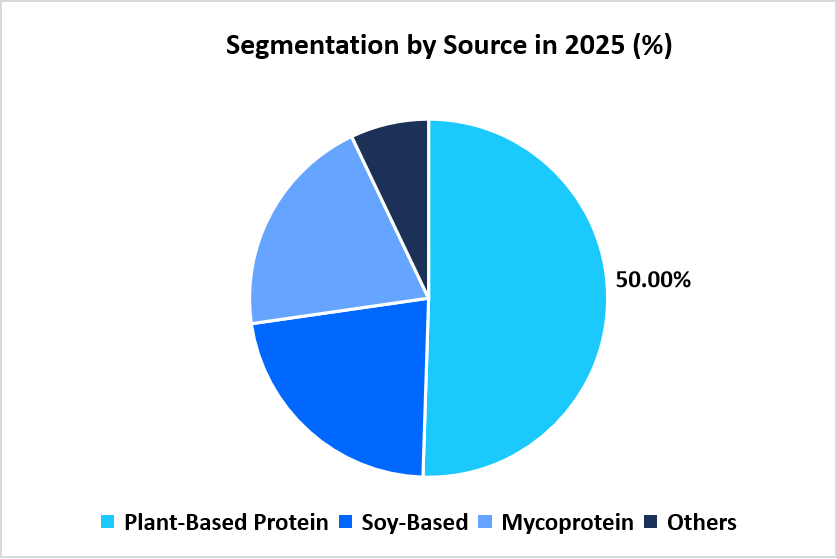
Plant-based protein dominates the global meat substitutes market with a share exceeding 50%, supported by extensive use of pea, wheat, and lentil protein in innovative meat analogues. Its nutritional similarity to meat, coupled with cleaner ingredient labels, appeals strongly to flexitarian consumers. Major food producers are scaling investments in extrusion and flavor enhancement technologies, reinforcing the widespread adoption of plant-based protein across mainstream retail and foodservice sectors.
Mycoprotein stands as the fastest-growing source segment, advancing at a CAGR of 13.47%. Derived from fermented fungi, it provides a high-fiber, sustainable alternative with exceptional texture and digestibility. Rising consumer preference for naturally derived proteins and reduced environmental impact is accelerating its uptake. Continuous R&D in fermentation efficiency and allergen-free formulations enhances its appeal, positioning mycoprotein as the next-generation foundation for premium meat substitute products globally.
Source: Straits Research
Product Insights
Burgers and patties dominate the product type segment, holding over 30% market share due to their broad familiarity and strong representation in fast-food menus. These products bridge taste and convenience, serving as an easy substitute for traditional beef. Enhanced formulations offering improved mouthfeel and protein quality continue to expand adoption. Moreover, foodservice giants integrating plant-based patties have significantly reinforced this segment’s prominence in the global meat substitute market.
Strips and nuggets are the fastest-growing product segment, advancing at a CAGR of 12.97%, propelled by increasing inclusion in quick meals and school-friendly snacks. Their versatility across cuisines and superior adaptability to frying and baking make them highly preferred. Moreover, innovations in texture replication and fortified nutrient content attract health-conscious consumers, driving robust demand through retail and online platforms focused on family and convenience-oriented food options.
Distribution Channel Insights
Retail channels dominate the market with over 60% share, reflecting the growing accessibility of meat substitutes through supermarkets, hypermarkets, and specialty stores. Expanding shelf space for plant-based categories, coupled with private label entries, has amplified consumer reach. Attractive packaging, sampling initiatives, and strategic placement alongside meat products enhance visibility, ensuring that retail outlets remain the primary revenue generator for the global meat substitutes industry.
Food service channels represent the fastest-growing segment, progressing at a CAGR of 13.12%. The surge is driven by quick-service restaurants, cafés, and canteens introducing plant-based menu options in response to evolving dietary preferences. Collaborative ventures between meat substitute producers and global franchises have accelerated mainstream availability. Moreover, enhanced focus on taste parity, sustainability messaging, and premium dining experiences continues to strengthen foodservice adoption across diverse regions.
Company Market Share
The global market share is driven by firms that focus heavily on advanced plant-protein technologies, fermentation-based solutions, and textured vegetable proteins. These players invest in R&D to improve taste, texture, and nutrition, while building economies of scale. Large ingredient suppliers dominate much of the upstream supply, supplying soy, pea, and wheat proteins. At the same time, meat-analogue innovators compete by launching branded, ready-to-eat products in retail and foodservice.
Beyond Meat
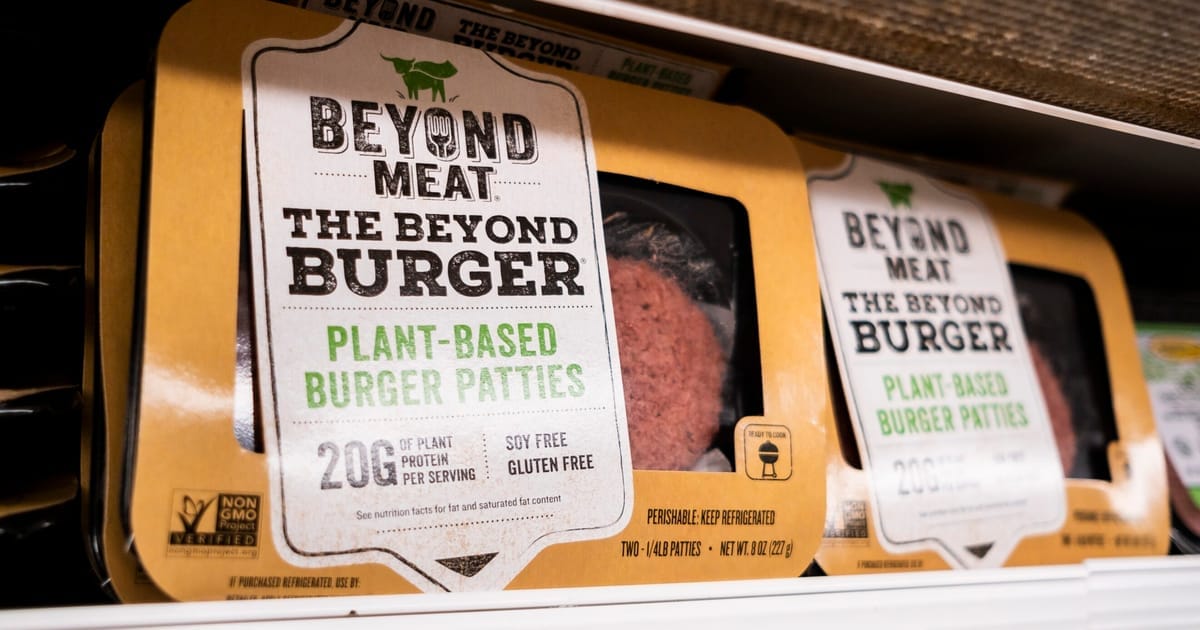
Beyond Meat was founded in 2009 in Los Angeles, California, with the vision of creating plant-based proteins that replicate the taste and texture of animal meat. The company was launched by Ethan Brown, who aimed to address environmental and health concerns linked to traditional meat consumption. Beyond Meat introduced its first products to the U.S. market in 2012, quickly gaining popularity for its innovative plant-based burgers, sausages, and ground meat alternatives made primarily from pea and rice proteins.
List of key players in Meat Substitutes Market
- Beyond Meat
- Impossible Foods
- Quorn Foods
- Maple Leaf Foods
- MorningStar Farms
- The Vegetarian Butcher
- Amy’s Kitchen
- Tofurky
- v2food
- GoodDot
- Tyson Foods
- Unilever
- Conagra Brands
- Garden Protein International
- Lightlife Foods
- Next Meats
- Nisshin OilliO Group
- DuPont Nutrition & Biosciences
- MGP Ingredients
- Green Rebel Foods
Recent Development
- September 2025 – Eat Just, the company behind Just Egg, is launching “Just Meat,” a realistic plant-based chicken that mimics taste and texture. The product debut is scheduled for selected H-E-B stores in Texas this summer, with nationwide expansion planned later.
- March 2025 – Marsapet and Calysta have launched MicroBell, the first complete dog food made with FeedKind Pet, a fermented, land-free, non-animal protein. The vegan, grain- and gluten-free kibble uses sweet potatoes, peas, and potatoes, offering a nutrient-rich, allergy-sensitive formula.
- February 2025 – UK retailer Pets at Home has launched “Chick Bites,” dog treats made with lab-grown chicken, in what the retailer claims is a world first. Produced by Meatly from cells taken from a single chicken egg, the treats are nutritionally equivalent to real chicken.
Report Scope
| Report Metric | Details |
|---|---|
| Market Size in 2025 | USD 8.09 billion |
| Market Size in 2026 | USD 9.04 billion |
| Market Size in 2034 | USD 22.53 billion |
| CAGR | 12.18% (2026-2034) |
| Base Year for Estimation | 2025 |
| Historical Data | 2022-2024 |
| Forecast Period | 2026-2034 |
| Report Coverage | Revenue Forecast, Competitive Landscape, Growth Factors, Environment & Regulatory Landscape and Trends |
| Segments Covered |
By Source, By Product Type, By Distribution Channel, By Region. |
| Geographies Covered |
North America, Europe, APAC, Middle East and Africa, LATAM, |
| Countries Covered |
U.S., Canada, U.K., Germany, France, Spain, Italy, Russia, Nordic, Benelux, China, Korea, Japan, India, Australia, Taiwan, South East Asia, UAE, Turkey, Saudi Arabia, South Africa, Egypt, Nigeria, Brazil, Mexico, Argentina, Chile, Colombia, |
Explore more data points, trends and opportunities Download Free Sample Report
Meat Substitutes Market Segmentations
By Source (2022-2034)
- Plant-Based Protein
- Mycoprotein
- Soy-Based
- Others
By Product Type (2022-2034)
- Burgers/Patties
- Strips & Nuggets
- Sausages
- Ground
- Others
By Distribution Channel (2022-2034)
- Food Service Channels
-
Retail Channels
- Supermarkets/Hypermarkets
- Specialty Stores
- Online Retail Channels
- Others
By Region (2022-2034)
- North America
- Europe
- APAC
- Middle East and Africa
- LATAM
Frequently Asked Questions (FAQs)
The growing adoption of vegan and vegetarian diets continues to be a major driver of the global market.
Plant-based protein dominates the global meat substitutes market with a share exceeding 50%, supported by extensive use of pea, wheat, and lentil protein in innovative meat analogues.
Anantika Sharma
Research Practice Lead
Anantika Sharma is a research practice lead with 7+ years of experience in the food & beverage and consumer products sectors. She specializes in analyzing market trends, consumer behavior, and product innovation strategies. Anantika’s leadership in research ensures actionable insights that enable brands to thrive in competitive markets. Her expertise bridges data analytics with strategic foresight, empowering stakeholders to make informed, growth-oriented decisions.