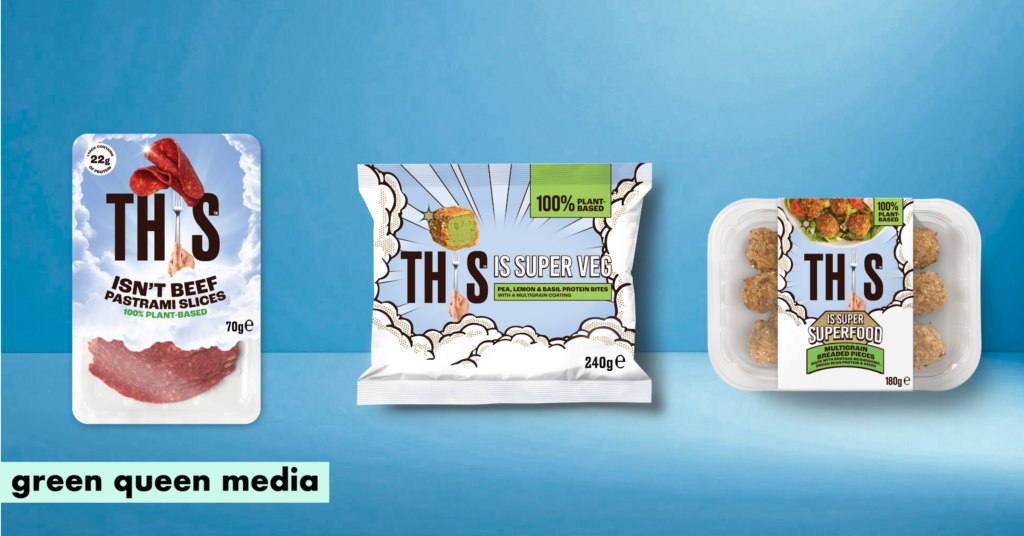
Last month, a food research organization called Nectar released an expansive set of findings from taste tests that rated plant-based meat alternatives alongside actual meat. One bit of information stood out: In terms of taste, 54% of people on average found 20 vegan products (such as burgers, nuggets, and sausages) from 13 brands (including Beyond Meat, Impossible Foods, and Gardein) to taste as good as or better than analogous conventional meat products. This should probably be good news for those of us who are concerned about the environment, public health, and animal welfare.
But the flipside of this discovery is that even though plant-based meat is starting to taste just as good as (and in some cases better than) animal meat, most people aren’t changing their purchasing habits accordingly. If “taste is king,” it doesn’t deserve the crown—and ignoring this reality will doom alt protein to irrelevance.
For many decades now, people in a whole array of fields have been on a mad mission to figure out how to get people to eat less meat. It has long been clear that education alone about the problems with factory farming isn’t enough to get people to change their behavior. Certainly shaming people, demanding total lifestyle overhaul, and expecting perfection are tactics that don’t work—that’s why I cofounded the Reducetarian Foundation, because encouraging incremental change actually does work. But even that has its limits.
Indeed, I have always believed that a more pragmatic approach—offering people better options in the marketplace—is ultimately one of the most effective ways to drive change. Specifically, I figured that the pillars of price, convenience, and especially taste were a sort of holy grail for the alt-meat industry. We can’t reasonably expect people to change their eating habits unless and until the more ethical, environmentally friendly, and healthy option is also the more affordable, convenient, and delicious choice.