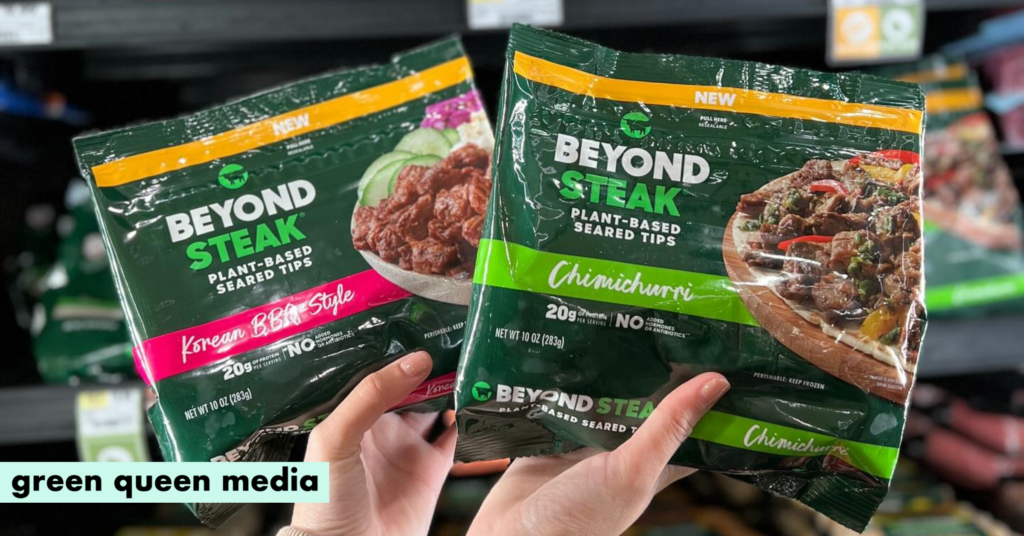
Plant-based meat alternatives are food products designed to mimic the taste, texture, and nutritional profile of traditional meat using plant-derived ingredients such as soy, peas, wheat, and legumes. They provide a sustainable, ethical, and health-conscious option for consumers seeking to reduce meat consumption without sacrificing flavor or protein intake. These products are available in forms like burgers, sausages, nuggets, and minced meat, catering to vegan, vegetarian, and flexitarian diets.
To set up a manufacturing plant, secure a consistent supply of high-quality plant proteins and raw materials. Invest in extrusion and processing equipment, cold storage, packaging machines, and quality control laboratories. Design the facility for efficient production flow and compliance with food safety regulations. Hiring trained staff for R&D, production, and quality assurance is essential, while marketing and distribution strategies ensure product reach and brand recognition.
Request for a Sample Report: https://www.imarcgroup.com/plant-based-meat-alternatives-manufacturing-plant-project-report/requestsample
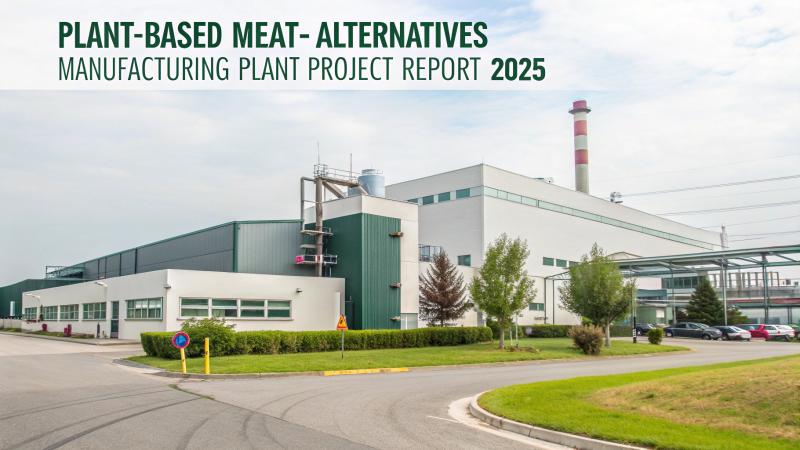
IMARC Group’s report, titled “Plant-Based Meat Alternatives Manufacturing Plant Project Report 2025: Industry Trends, Plant Setup, Machinery, Raw Materials, Investment Opportunities, Cost and Revenue,” provides a complete roadmap for setting up a plant-based meat alternatives manufacturing plant. It covers a comprehensive market overview to micro-level information such as unit operations involved, raw material requirements, utility requirements, infrastructure requirements, machinery and technology requirements, manpower requirements, packaging requirements, transportation requirements, etc.
This comprehensive business plan outlines every critical step involved in setting up a plant-based meat alternatives manufacturing plant successful unit – from understanding the industry landscape to planning for real-world challenges. It provides valuable insights into essential components such as plant-based meat alternatives manufacturing plant setup, cost breakdown, machinery cost, operating cost, raw material requirements, utility needs, infrastructure setup, and packaging logistics.
Plant-Based Meat Alternatives Industry Outlook 2025:
The plant-based meat alternatives industry is expected to grow rapidly by 2025, driven by rising health awareness, environmental concerns, and ethical considerations. Increasing adoption of vegan and flexitarian diets, coupled with technological innovations in taste and texture, is expanding product availability. Consumer demand for convenient, protein-rich, and sustainable food options is fueling investment and new product development. Global markets are witnessing significant interest from retailers, restaurants, and foodservice providers, making this sector a high-potential opportunity for entrepreneurs and investors seeking to capitalize on the shift toward plant-based diets.
Key Insights for Plant-Based Meat Alternatives Manufacturing Plant Setup:
Detailed Process Flow:
• Product Overview
• Unit Operations Involved
• Mass Balance and Raw Material Requirements
• Quality Assurance Criteria
• Technical Tests
Project Details, Requirements and Costs Involved:
• Land, Location and Site Development
• Plant Layout
• Machinery Requirements and Costs
• Raw Material Requirements and Costs
• Packaging Requirements and Costs
• Transportation Requirements and Costs
• Utility Requirements and Costs
• Human Resource Requirements and Costs
Capital Expenditure (CapEx) and Operational Expenditure (OpEx) Analysis:
Project Economics:
• Capital Investments
• Operating Costs
• Expenditure Projections
• Revenue Projections
• Taxation and Depreciation
• Profit Projections
• Financial Analysis
Profitability Analysis:
• Total Income
• Total Expenditure
• Gross Profit
• Gross Margin
• Net Profit
• Net Margin
Speak to Analyst for Customized Report:
https://www.imarcgroup.com/request?type=report&id=9622&flag=C
Key Cost Components of Setting Up a Plant-Based Meat Alternatives Plant:
• Raw Materials: Procurement of plant proteins (soy, peas, wheat), oils, spices, and other ingredients.
• Machinery & Equipment: Extruders, mixers, grinders, cutting machines, cooking and forming equipment, packaging machines, and cold storage units.
• Infrastructure & Utilities: Land acquisition, factory construction, storage facilities, water supply, electricity, HVAC, and waste management systems.
• Labor & Staffing: Hiring skilled personnel for production, R&D, quality control, and administrative operations.
• Technology & Automation: Investment in automated production lines, process control systems, and product testing equipment.
• Quality Control & R&D: Labs, testing equipment, and innovation for product development and compliance with food safety standards.
• Marketing & Distribution: Branding, packaging design, promotional activities, and logistics for product delivery.
• Environmental Compliance: Waste treatment systems, sustainable packaging, and adherence to food safety and environmental regulations.
• Working Capital: Cash for daily operations, raw material procurement cycles, inventory management, and operational expenses.
• Administrative & Overhead Costs: Licensing, insurance, utilities, office expenses, and management costs.
Economic Trends Influencing Plant-Based Meat Alternatives Plant Setup Costs 2025:
• Raw Material Price Volatility: Fluctuations in the cost of key ingredients like soy, peas, and wheat due to supply chain disruptions and climate-related factors.
• Technological Advancements: Investments in extrusion and fermentation technologies to enhance product texture and nutritional profile, impacting capital expenditures.
• Regulatory Compliance: Adherence to evolving food safety and labeling regulations, necessitating investments in quality control and certification processes.
• Consumer Demand Shifts: Changes in consumer preferences towards whole-food plant-based options, influencing product development and marketing strategies.
• Competitive Landscape: Entry of new players and consolidation in the industry, affecting pricing strategies and market positioning.
• Sustainability Initiatives: Pressure to adopt eco-friendly practices, such as sustainable packaging and energy-efficient production methods, increasing operational costs.
Challenges and Considerations for Investors in Plant-Based Meat Alternatives Plant Projects:
• High Initial Capital Investment: Setting up extrusion equipment, processing lines, and cold storage requires significant funding.
• Raw Material Supply Dependence: Fluctuations in the availability and price of soy, peas, and other plant proteins can affect production stability.
• Technological Complexity: Advanced processing equipment and formulation techniques are essential to achieve meat-like texture and taste.
• Regulatory Compliance: Adherence to food safety, labeling, and environmental regulations is critical to avoid legal issues.
• Market Competition: The sector is increasingly competitive with global and local players, making differentiation important.
• Consumer Acceptance: Success depends on effectively meeting taste, texture, and nutritional expectations of target consumers.
• Skilled Workforce Requirement: Hiring trained personnel for R&D, quality control, and production is essential for consistent product quality.
• Supply Chain Challenges: Efficient sourcing, storage, and distribution of perishable plant-based ingredients are critical.
• Branding and Marketing Costs: Significant effort is needed to build consumer trust and brand recognition in a growing market.
• Financial Risks: Market volatility, operational expenses, and scaling costs can impact ROI.
Buy Now:
https://www.imarcgroup.com/checkout?id=9622&method=1911
Conclusion:
Investing in a plant-based meat alternatives manufacturing plant offers significant growth potential due to rising consumer demand for sustainable, ethical, and healthy food options. However, investors must carefully navigate challenges such as high initial capital, raw material supply fluctuations, technological requirements, and regulatory compliance. Success depends on strategic planning, efficient operations, strong branding, and innovation in product development. With the right approach, a plant-based meat manufacturing venture can achieve long-term profitability while contributing to the global shift toward healthier and more sustainable diets.
About Us:
IMARC Group is a global management consulting firm that helps the world’s most ambitious changemakers to create a lasting impact. The company excel in understanding its client’s business priorities and delivering tailored solutions that drive meaningful outcomes. We provide a comprehensive suite of market entry and expansion services. Our offerings include thorough market assessment, feasibility studies, company incorporation assistance, factory setup support, regulatory approvals and licensing navigation, branding, marketing and sales strategies, competitive landscape, and benchmarking analyses, pricing and cost research, and procurement research.
Contact Us:
IMARC Group
134 N 4th St. Brooklyn, NY 11249, USA
Email: [email protected]
Tel No:(D) +91 120 433 0800
United States: (+1-201971-6302)
This release was published on openPR.