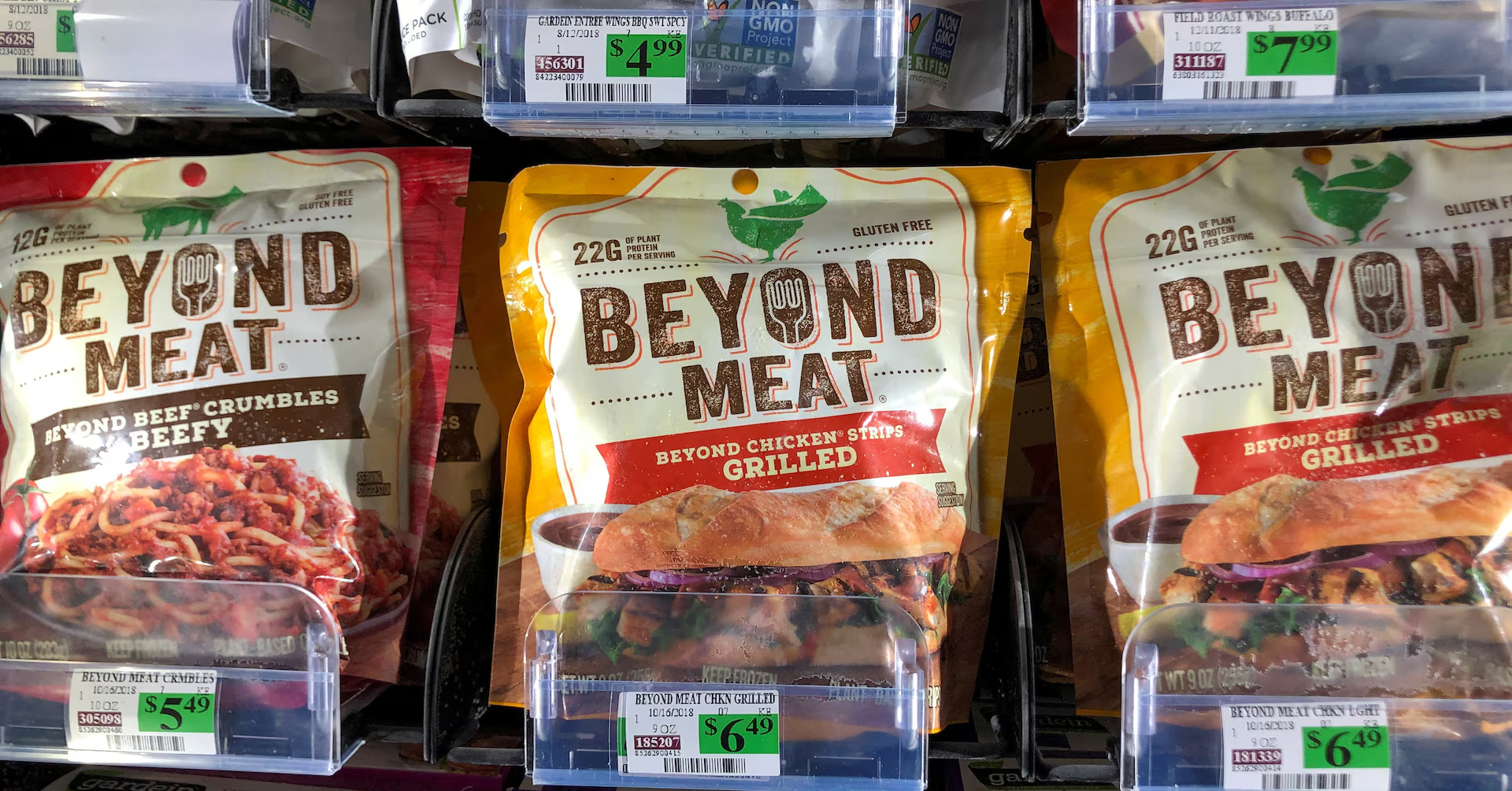
The Netherlands Food and Consumer Product Safety Authority (NVWA) has issued a warning to several companies, including major producers of plant-based meat substitutes, regarding the use of the term “minced meat” on product labels. The warning, which affects both manufacturers and retailers, stems from a 1998 law that restricts the term “minced meat” exclusively to products derived from animal sources.
The NVWA’s action was directed at three manufacturers and three national retailers, including major supermarket chains such as Albert Heijn and Jumbo. These retailers offer plant-based mince products both from prominent market leaders like De Vegetarisch Slager (The Vegetarian Butcher) and Vivera, as well as their own private-label offerings. The term “vegetarian minced meat” or “plant-based mince” has been widely used for years to label such products.
“We didn’t see this coming”
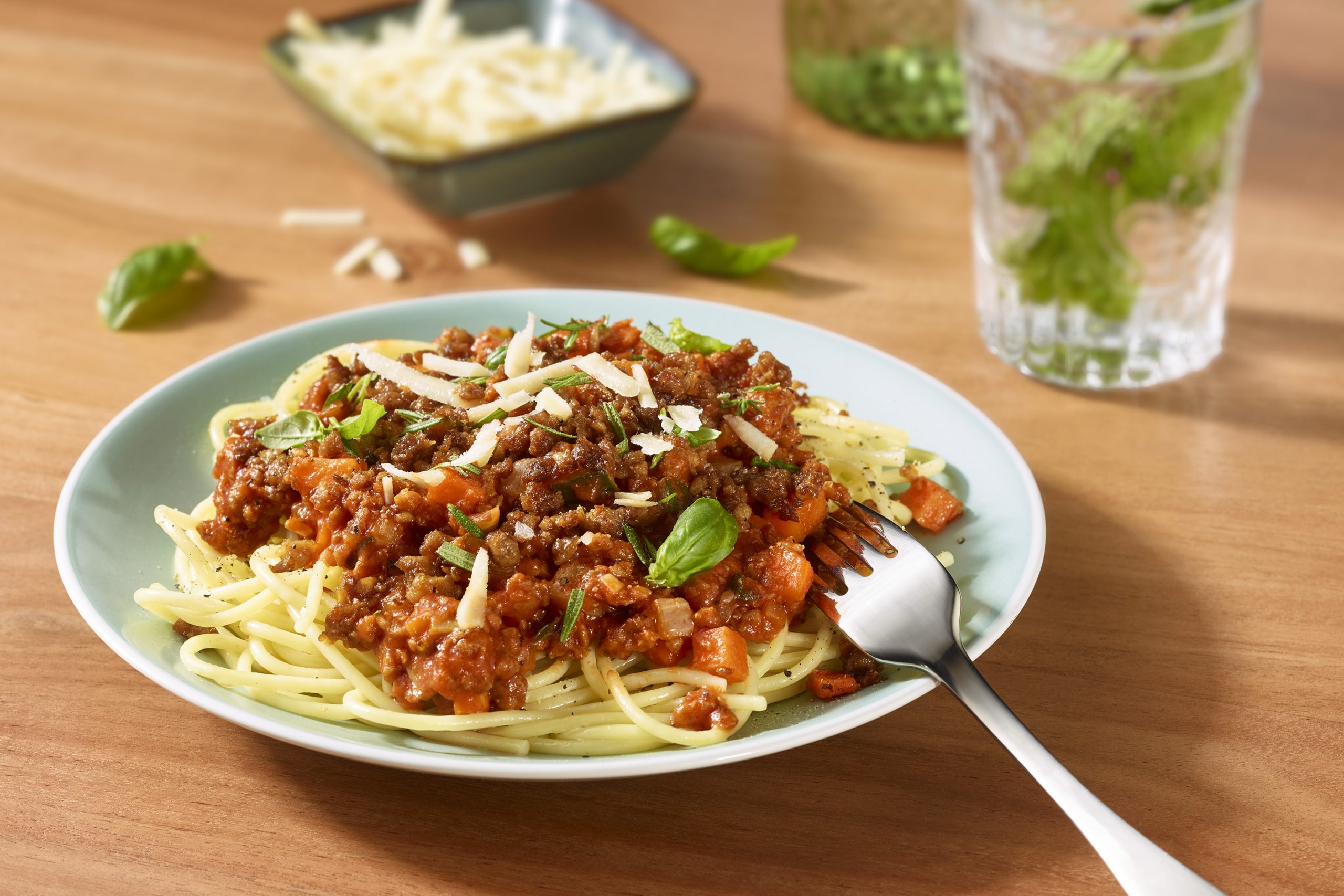
One of the companies affected, The Vegetarian Butcher, has used the term for over 15 years. Rutger Rozendaal, the company’s director, expressed surprise at the NVWA’s warning, telling EenVandaag that there had been no consumer complaints about the term. “We didn’t see this coming. We never get complaints about it from consumers,” Rozendaal said. He also pointed out that the name was chosen specifically to make it easier for customers to understand how to use the product in everyday meals, such as for pasta bolognese or tacos.
Jessie van Hattum, a spokesperson for the Green Protein Alliance, which represents the plant-based food industry, criticized the NVWA’s interpretation of the law. “We actually believe the term ‘plant-based mince’ should be valid, as it clearly indicates it’s made from plant-based sources,” she said. The alliance is calling for updated legislation to reflect the growing presence of plant-based alternatives in the market.
Outdated law hinders progress
The law in question, the Commodities Act Decree on Meat, Minced Meat, and Meat Products, reserves the term “minced meat” for products made from animal proteins. While the law does not specifically address plant-based products, it was designed to protect food safety standards for animal-derived goods. According to the NVWA, violations of this law, such as the use of “minced meat” on plant-based items, cannot be overlooked.
Rozendaal warned that the NVWA’s enforcement could hinder the transition to more sustainable protein sources. “We call for dialogue with regulators to update outdated 1998-era rules and create clear, modern legislation that supports the shift towards plant-based,” he said.
Where are the confused consumers?
Edwin Bark, Senior VP at Redefine Meat, told vegconomist, “Where are these confused consumers? In the ten years that I have been working in the plant-based meat industry, I have never heard a single consumer complain about any confusion or deception caused by plant-based “meat terms”, even though we have sold millions of products.”
“This unnecessary discussion only creates an additional barrier for meat lovers and flexitarians who are looking for plant-based foods for a more sustainable diet. This is a very worrying development that will make it more difficult to attract new consumers of plant-based meat (yes, language and product naming matter!). Growth and innovation are being hampered as a result.”
Swiss court tightens plant-based rules
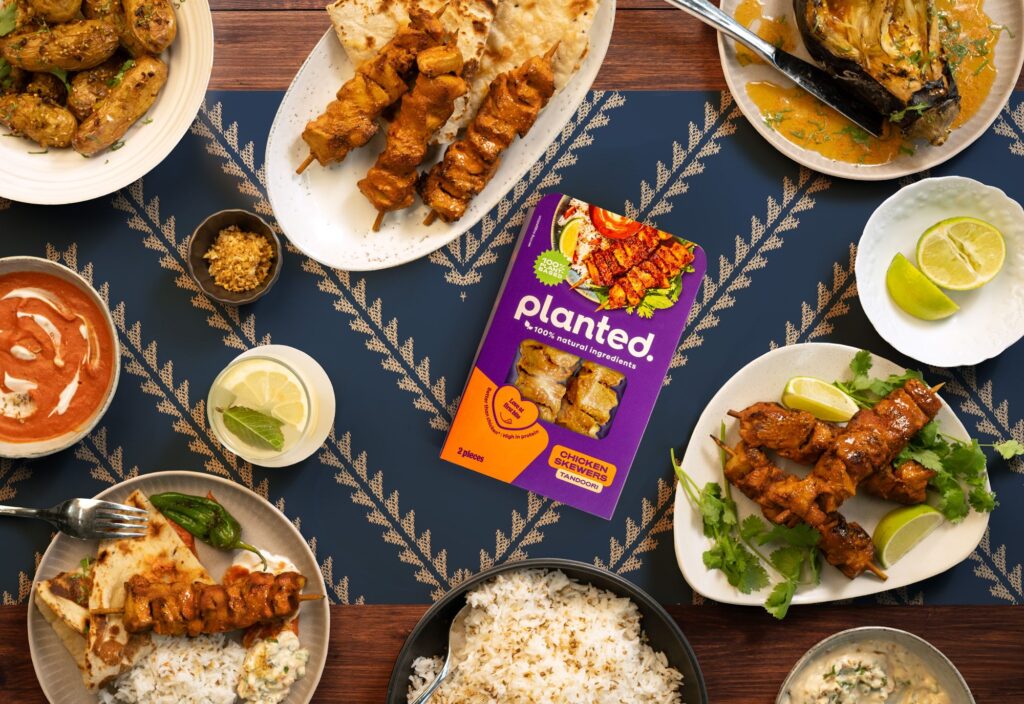
In a related development, Swiss food regulators have imposed similar restrictions, taking a hard stance on the use of animal species names in the marketing of plant-based products. The Swiss Federal Supreme Court recently ruled that terms like “chicken,” “poultry,” “pork,” and “pig” cannot be used to describe plant-based alternatives, even in marketing slogans. This decision, which stems from a case involving Zurich-based company Planted Foods, prohibits the use of animal species names in the marketing or advertising of plant-based meat substitutes.
The court’s ruling, published in May 2025, clarified that only products containing ingredients derived from the specified animal species can use such names. For instance, terms like “planted.chicken” used by Planted Foods, as well as similar labels from competitors like Nestlé’s Garden Gourmet brand, are no longer allowed. However, the court allowed for generic terms like “steak” and “filet” to remain in use for plant-based products.
“Our mission is not tied to names”
This development is part of a wider debate on the labeling of plant-based products across Europe. Earlier this month, a majority in the European Parliament voted in favor of a proposal that would ban terms like “burger,” “sausage,” and “schnitzel” for plant-based products.
Pascal Bieri, co-founder of Planted, stated on LinkedIn. “We carry on, with or without these terms. Our mission is not tied to names, but to good taste and real effect. Our products remain what they are: popular, understandable and climate-friendly. We continue to eat, save, and innovate. No Chicken No Cry.”