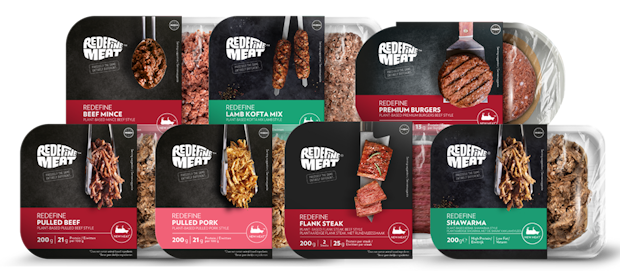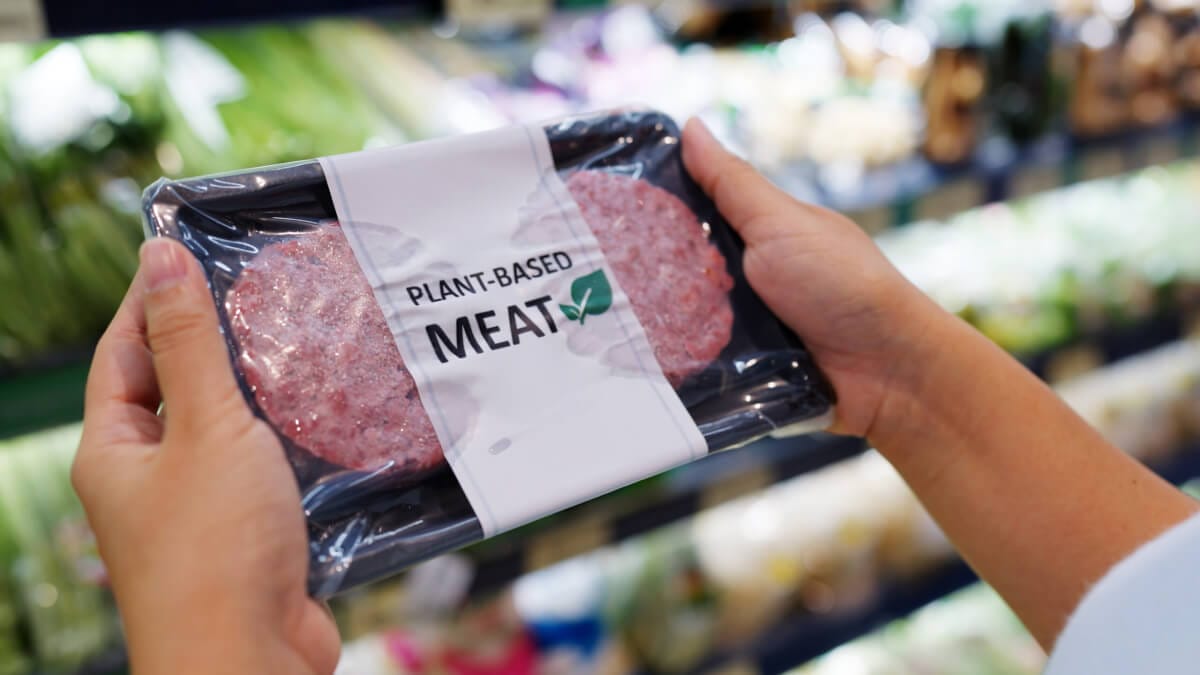
Many plant-based meat alternatives contain emulsifiers and industrial additives. (© ChayTee – stock.adobe.com)
Heart-healthy eating isn’t as simple as avoiding meat; even ‘nutritional’ ultra-processed plant-based foods didn’t provide cardiovascular protection.
In A Nutshell
- A nine-year French study tracking over 63,000 adults found that ultra-processed plant-based foods offered essentially zero cardiovascular protection, even when nutritionally balanced.
- People eating the most unhealthy, ultra-processed plant foods faced a 46% higher risk of coronary heart disease compared to those eating the least, while those consuming healthy, minimally processed plant foods saw a 44% lower risk.
- Industrial processing appears to cancel out the heart benefits that plant foods normally provide, with additives, degraded fiber, and altered food structure potentially negating nutritional advantages.
- The research emphasizes that three factors matter for heart health: whether foods are plant-based or animal-based, their nutritional quality, and critically, how much they’ve been industrially processed.
Shoppers loading their carts with plant-based burgers, protein-packed meat alternatives, and other processed foods marketed as healthier options might want to reconsider. A French study reveals that ultra-processed plant-based products showed no detectable heart protection, even when they contained nutritionally healthy ingredients.
Moreover, people consuming large amounts of unhealthy, ultra-processed plant foods faced a 46% higher risk of coronary heart disease compared to those eating the least of these products, according to research published in The Lancet Regional Health – Europe.
These findings expose a troubling blind spot in how many people approach heart-healthy eating. Public health campaigns have long promoted reducing meat consumption and increasing plant-based foods. But this research shows that swapping animal products for plant-based alternatives wasn’t associated with better heart outcomes when those alternatives were ultra-processed. How much those plant foods have been industrially processed appears to matter just as much as their nutrient content.
Researchers from the French NutriNet-Santé cohort study tracked more than 63,000 adults for a median of nine years, documenting their eating habits and health outcomes. People who ate plenty of nutritionally sound plant foods that were also ultra-processed showed no measurable heart benefit in the study data. Industrial processing was associated with a loss of the advantages those same foods would normally provide in their minimally processed form.
Ultra-Processed Plant Foods: What’s Really in Your Cart
Food manufacturers have rushed to meet demand for plant-based products, but perception has drifted far from reality in the health food aisle. Many items positioned as nutritious alternatives contain ingredients rarely found in home kitchens: emulsifiers to improve texture, preservatives to extend shelf life, artificial flavors to enhance taste, and various additives to mimic the properties of the foods they’re replacing.
The study used the NOVA classification system to categorize foods by processing level. This system ranges from unprocessed or minimally processed all the way to ultra-processed products. Ultra-processed foods include packaged breads with additives, instant noodles, carbonated sodas, breakfast cereals with added sugars, many commercially produced veggie burgers and plant-based meat substitutes, and ready-made meals with preservatives. Products marketed with health halos still fall into this group when they contain emulsifiers, artificial flavors, or other industrial additives.
Researchers distinguished between four distinct eating patterns by combining nutritional quality with processing level. A nutritionally healthy plant-based diet emphasizes whole grains, fresh fruits, vegetables, nuts, and legumes. An unhealthy one leans heavily on refined grains, potatoes, fruit juices, and sugary foods.
Participants who ate mostly minimally processed, nutritionally healthy plant foods had a 44% lower risk of coronary heart disease and a 32% lower risk of overall heart disease. But people consuming nutritionally healthy plant foods that were also ultra-processed showed no protective effect.
The most harmful pattern combined unhealthy plant foods with ultra-processing. People eating the most of these products faced a 46% higher risk of coronary heart disease and a 38% higher risk of overall heart disease.

Why Processing May Reduce Heart Benefits
The study didn’t test why ultra-processing might eliminate heart benefits, but nutrition science offers several explanations. Ultra-processed foods typically pack high energy density into small volumes, making overconsumption easy. They often contain excessive sugar, sodium, and saturated fats, even when plant-based. Many include additives like artificial sweeteners, emulsifiers, and preservatives that may affect gut bacteria and metabolism.
Intensive processing can alter food structure in ways that may affect health. Fiber can become degraded, protective compounds like polyphenols may be reduced, and the food matrix itself changes in ways that affect digestion and nutrient absorption. Manufacturing may also create new contaminants or transform ingredients differently than home cooking.
By contrast, minimally processed plant foods deliver multiple potential heart benefits at once. Dietary fiber is associated with lower cholesterol, improved blood sugar control, and healthier gut bacteria. Plant foods provide antioxidants, vitamins, minerals, and beneficial plant compounds that work together and are linked to reduced inflammation and oxidative stress.
The numbers show a consistent pattern. Every 10% increase in unprocessed plant-based foods was associated with a 10% reduction in overall heart disease risk and an 11% reduction in coronary heart disease risk. Conversely, every 10% increase in ultra-processed animal-based foods was linked to a 24% increase in heart disease risk and a 25% increase in coronary heart disease risk.
Study Tracked 63,000 Adults for Nearly a Decade
The study included 63,835 participants (76% women, mean age 51.4 years at enrollment). Over the study period spanning 2009 to 2023, researchers documented 1,397 first-time heart disease events: 1,051 cases of coronary disease and 346 cases of cerebrovascular disease.
Participants completed at least three detailed 24-hour dietary records within their first two years in the study, reporting everything consumed. These records covered approximately 3,500 different food items, providing far more detail than typical food questionnaires.
Plant-based foods made up about 63% of participants’ total daily calorie intake. Of that, roughly 43% came from unprocessed or minimally processed plant foods, while 20% came from ultra-processed plant products. Animal-based foods accounted for 37% of calories: 26% from unprocessed animal foods and 11% from ultra-processed animal products.
What Health Food Labels Don’t Tell You
Many plant-based items feature prominent labeling: high in protein, good source of fiber, cholesterol-free, or made with vegetables. These claims may be technically accurate while obscuring the larger nutritional picture.
A plant-based burger patty might contain vegetables and plant proteins alongside methylcellulose, titanium dioxide, maltodextrin, and various gums and stabilizers, placing it squarely in the ultra-processed category. An instant vegetable soup might start with real vegetables but include flavor enhancers, preservatives, and high sodium levels that move it far from what nutritionists mean when they recommend eating more vegetables.
The study’s findings suggest prioritizing minimally processed plant foods as the dietary foundation works best for heart health. Choose steel-cut oats over instant oatmeal with added ingredients, fresh vegetables over canned varieties with added sodium and preservatives, and homemade bean dishes over commercially produced veggie burgers packed with additives. A bag of dried lentils, a bunch of fresh kale, and a container of rolled oats bear little resemblance to many products marketed as plant-based in the processed food aisle.
People needn’t completely avoid processed or convenience plant-based foods. But minimally processed plant foods should form the dietary foundation, with ultra-processed items (whether plant-based or animal-based) kept to a minimum.
The dietary data were collected primarily in 2010-2011. Ultra-processed food availability and consumption have increased since then, so current associations might be even stronger. The participants were volunteers who enrolled in a nutrition research project, potentially making them more health-conscious than the general population. However, their consumption of ultra-processed foods matched that of the broader French population.
Previous research has linked ultra-processed food consumption to obesity, type 2 diabetes, certain cancers, and earlier death from various causes. Food processing level represents a distinct dimension of diet quality, separate from whether foods are nutritionally balanced or whether they come from plants or animals.
The health food aisle may contain products that don’t deliver expected heart benefits. Both the source of food and processing level appear linked to heart health outcomes in this study. Reading ingredient lists remains more important than front-of-package health claims.
Paper Summary
Limitations
The study participants were volunteers who enrolled in a nutrition research project and may be more health-conscious than the general population, potentially limiting generalizability. However, their ultra-processed food consumption levels were similar to those in the broader French population. The dietary data were collected primarily in 2010-2011, and ultra-processed food availability and consumption have increased since then, meaning current associations might be even stronger. Some misclassification of foods into processing categories may have occurred despite the detailed food database. The observational study design means that while the researchers adjusted for many potential confounding factors, they cannot definitively prove that the dietary patterns caused the cardiovascular outcomes rather than simply being associated with them. The follow-up period may not have captured long-term dietary changes, and reverse causation (people changing their diets due to developing illness) remains possible, though sensitivity analyses excluding early events showed consistent results.
Funding and Disclosures
This work was part of the CaPulCo project funded by a grant from the French National Research Agency (ANR-22-CE36-0012). The NutriNet-Santé study is supported by the French Ministry of Solidarity and Health, the National Agency for Public Health, the National Institute of Health and Medical Research (INSERM), the National Research Institute for Agriculture, Food and Environment (INRAE), the National Conservatory of Arts and Crafts (CNAM), the Centre for Epidemiological Research and Statistics, and Sorbonne Paris Nord University. All authors declared no competing interests.
Publication Details
Prioux C, Kesse-Guyot E, Srour B, Fézeu LK, Baudry J, Wagner S, Hercberg S, Touvier M, Allès B. Cardiovascular disease risk and the balance between animal-based and plant-based foods, nutritional quality, and food processing level in the French NutriNet-Santé cohort: a longitudinal observational study. The Lancet Regional Health – Europe. 2025. https://doi.org/10.1016/j.lanepe.2025.101470