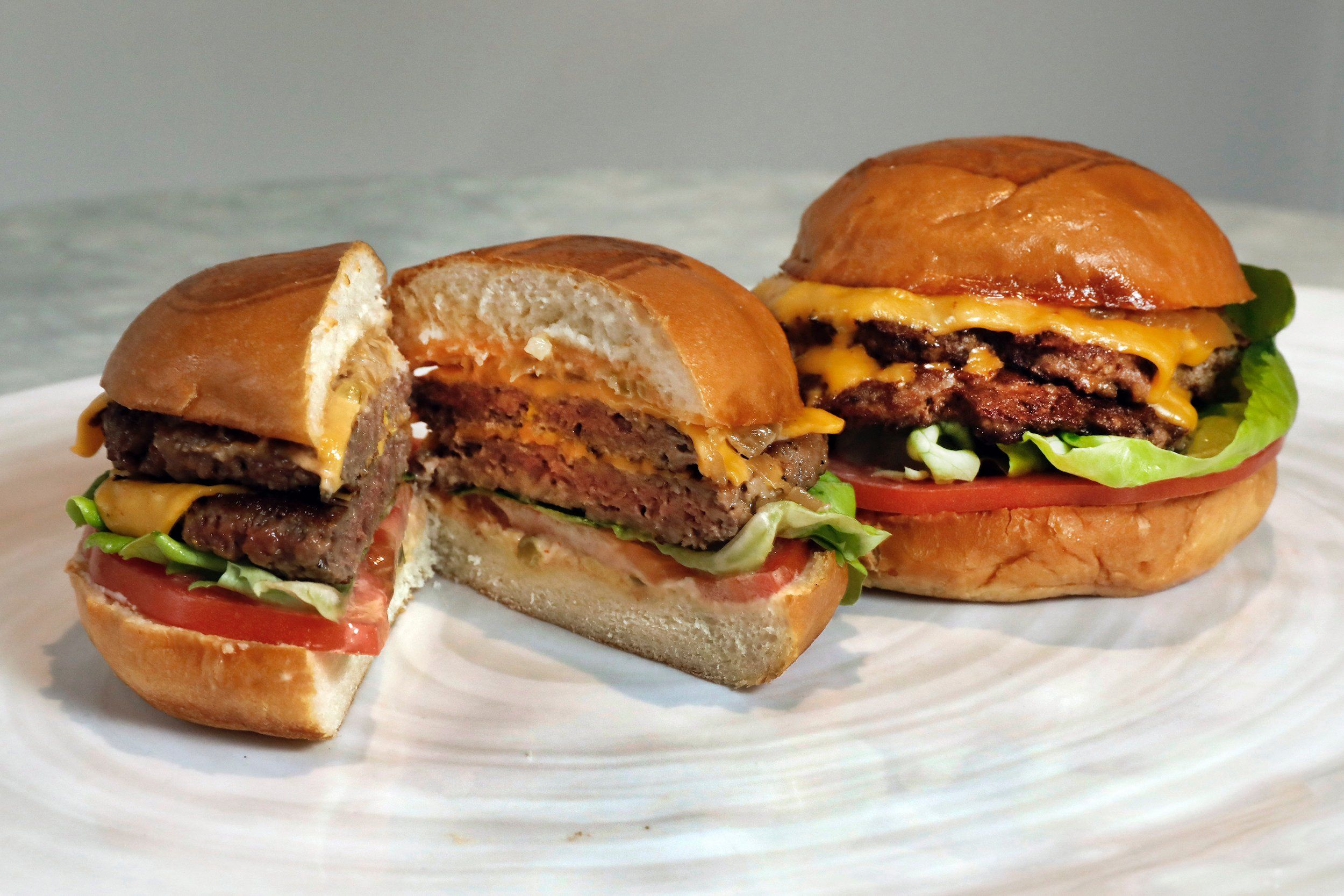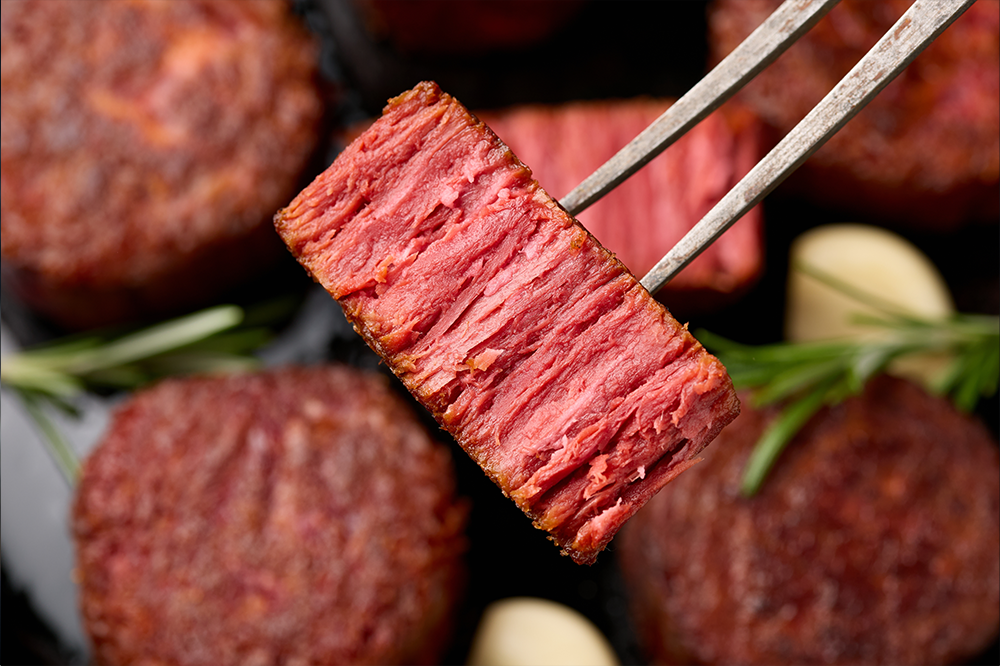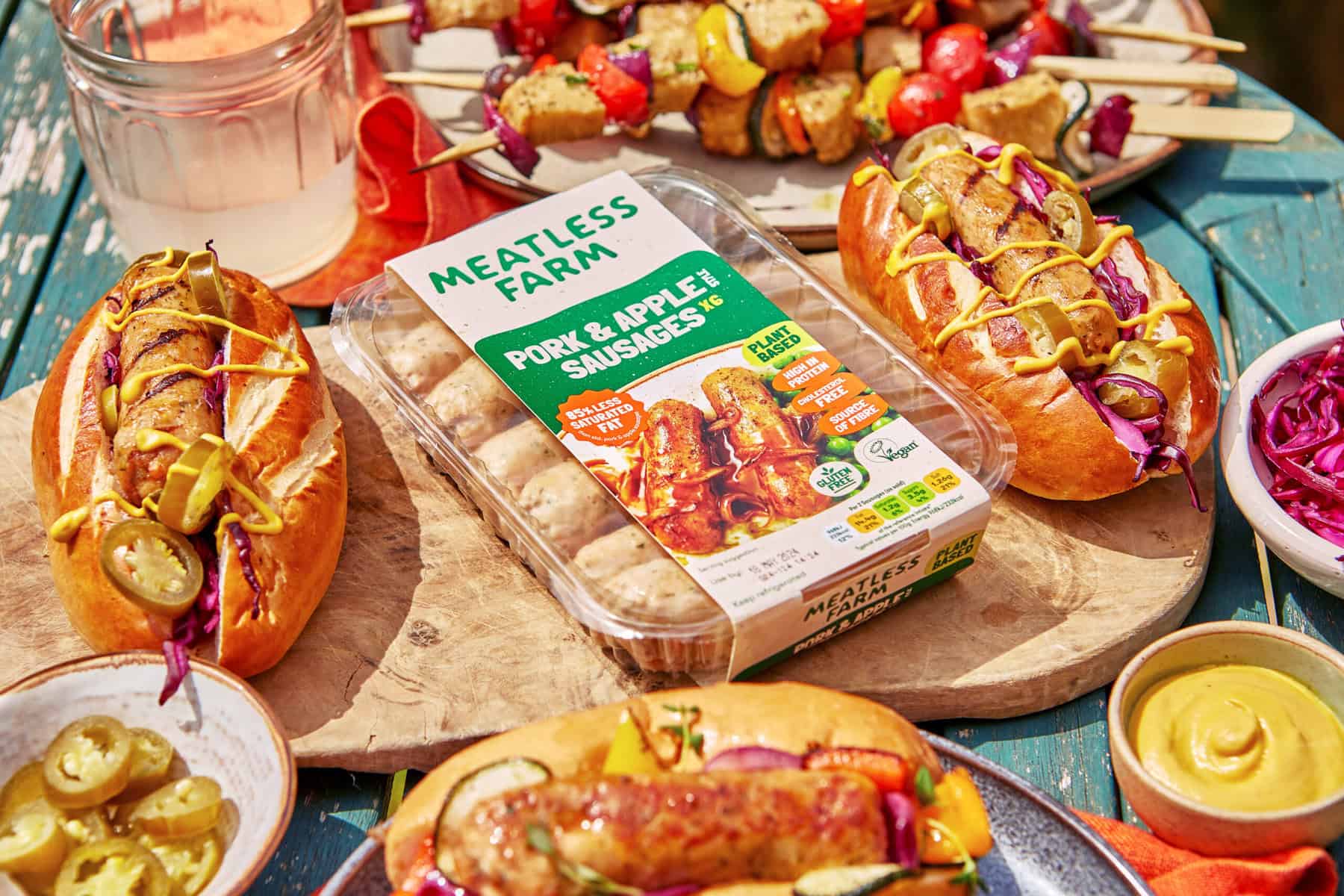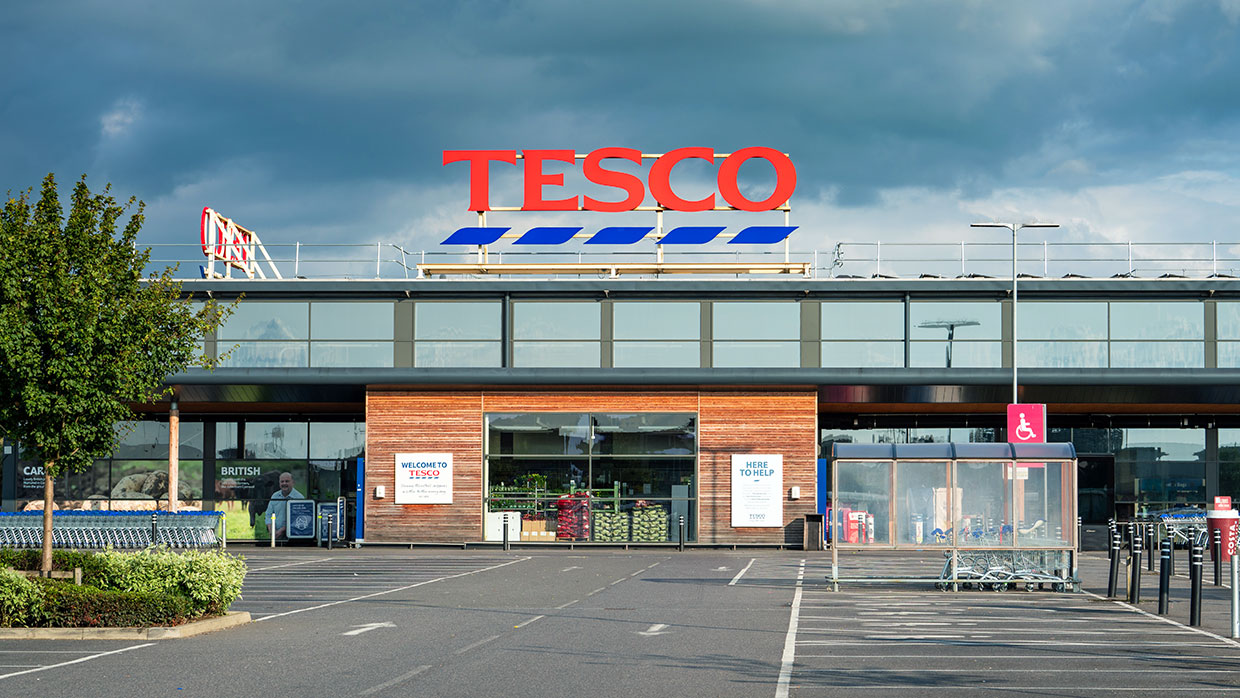
Tesco has admitted it is “highly unlikely” to meet its goal of tripling plant-based meat sales by the end of 2025, citing a fall in demand for processed meat alternatives.
The supermarket set the target in 2020, aiming for a 300% increase from 2018 sales levels. However, its latest sustainability report shows a slowdown in growth, with current sales only 94% higher than in 2018. This is down from a 130% rise seen just two years earlier.
“Many of our customers who are interested in plant-based foods are turning to veg-led dishes,” the report states, with shoppers now favouring vegetables, beans and tofu over vegan burgers and sausages.
Tesco’s plant-based meat sales mirror a wider national trend.
In 2024, average weekly sales of these products dropped by 7%, following earlier declines. Meanwhile, its plant-based protein sales fell from 12% to 9% of total protein sales since 2020.
While the retailer has managed to reduce emissions from its operations, 98% of its carbon footprint comes from its supply chain and customer use. It says that reducing these emissions will require wider support and collaboration across the food system.
Tesco shifts focus to whole foods as demand grows
Tesco has begun expanding its range of plant-based whole food products in response to customer demand. Its research shows that 22% of UK consumers want to eat more plant-based food, but are increasingly drawn to simpler ingredients.
Vegetable-led dishes now make up 40% of Tesco’s plant-based sales. Sales of these veg-forward meals rose by nearly 600,000 units in just 41 weeks last year.
In response, the supermarket launched its Root & Soul range of ready meals, which prioritise vegetables rather than mimicking meat. It also began stocking new whole food products like Veg’chop from Oh So Wholesome.
Simon Day, co-founder of Oh So Wholesome, said the industry is shifting. “Most retailers are looking for more plant-packed, healthy and minimally processed foods,” he told Green Queen. He added that Tesco has often led development in the plant-based category.
The shift is also part of Tesco’s wider healthy eating plans, including a target to make 65% of its sales come from healthier products by the end of 2025. It is also responding to rising interest in gut health and concerns over ultra-processed foods, with its own-brand Gut Sense range launched earlier this year.
What’s next for plant-based food in the UK?
Tesco’s pivot to whole foods may reflect the future direction of the UK’s plant-based market. As concerns around ultra-processed foods grow, simpler ingredients and veg-led options are likely to become more common on supermarket shelves.
Despite falling sales for meat alternatives, there is still room for new product development. Companies may focus less on replication and more on innovation using pulses, grains and vegetables.
But processed favourites such as vegan burgers and sausages are unlikely to disappear entirely. They remain popular with some shoppers and may evolve to feature cleaner labels or fewer additives.
Tesco has acknowledged that progress from now on “will be harder won” and will require wider changes, including stronger food policy and support for British agriculture.
Add more plants to your meals with these nourishing plant-based recipes
Featured photo © Pawel Pajor/Adobe Stock